4 Best Baby Playards Your Child Will Love

A playard isn’t always a “must have,” but for a lot of families it turns out to be one of the most-used pieces of baby gear in the house.
Playards (some people still call them playpens, though that’s the older term) earn their keep at grandma’s house, on holiday, in a hotel room, or just set up in the living room so you can shower with your baby safely nearby. Some double as a proper sleep space for naps and overnight stays, others are really more of a safe, contained play area once your baby is mobile. Knowing which job you need it to do makes choosing one a lot easier.
The best baby playards are portable, reasonably light, and quick to put up and take down, ideally without you needing to read the instructions every single time. Beyond that, here’s what’s actually worth comparing before you buy:
- Sleep safety. If you want to use it for naps or overnight sleep, check it meets current safety standards (in the US, that means it should be JPMA certified and meet ASTM/CPSC requirements). Look for a firm, flat mattress base with no extra padding, and always use the mattress that comes with it rather than swapping in a thicker one.
- Weight limit and age range. Bassinet attachments usually have a lower weight limit than the main playard, often somewhere around 15 to 20 pounds or until baby can push up on hands and knees, whichever comes first. Always check the manufacturer’s specific limits rather than assuming.
- Storage and extras. Some come with a changing table attachment, a mobile, storage pockets, or a bassinet insert. Nice to have, but they also add bulk and cost, so think about whether you’ll genuinely use them.
- Folded size and weight. If you’re planning to take it on holiday or fly with it, check the folded dimensions against your car boot or against airline carry-on sizes, not just the box it comes in.
- Ease of set-up. Some pop open in seconds, others need two people and a bit of patience. If you’ll be setting it up solo (say, at a hotel with a sleeping toddler in your arms), this matters more than it sounds.
- Price versus how often you’ll use it. A basic model that does the job well is often better value than a feature-heavy one you’ll only use a handful of times.
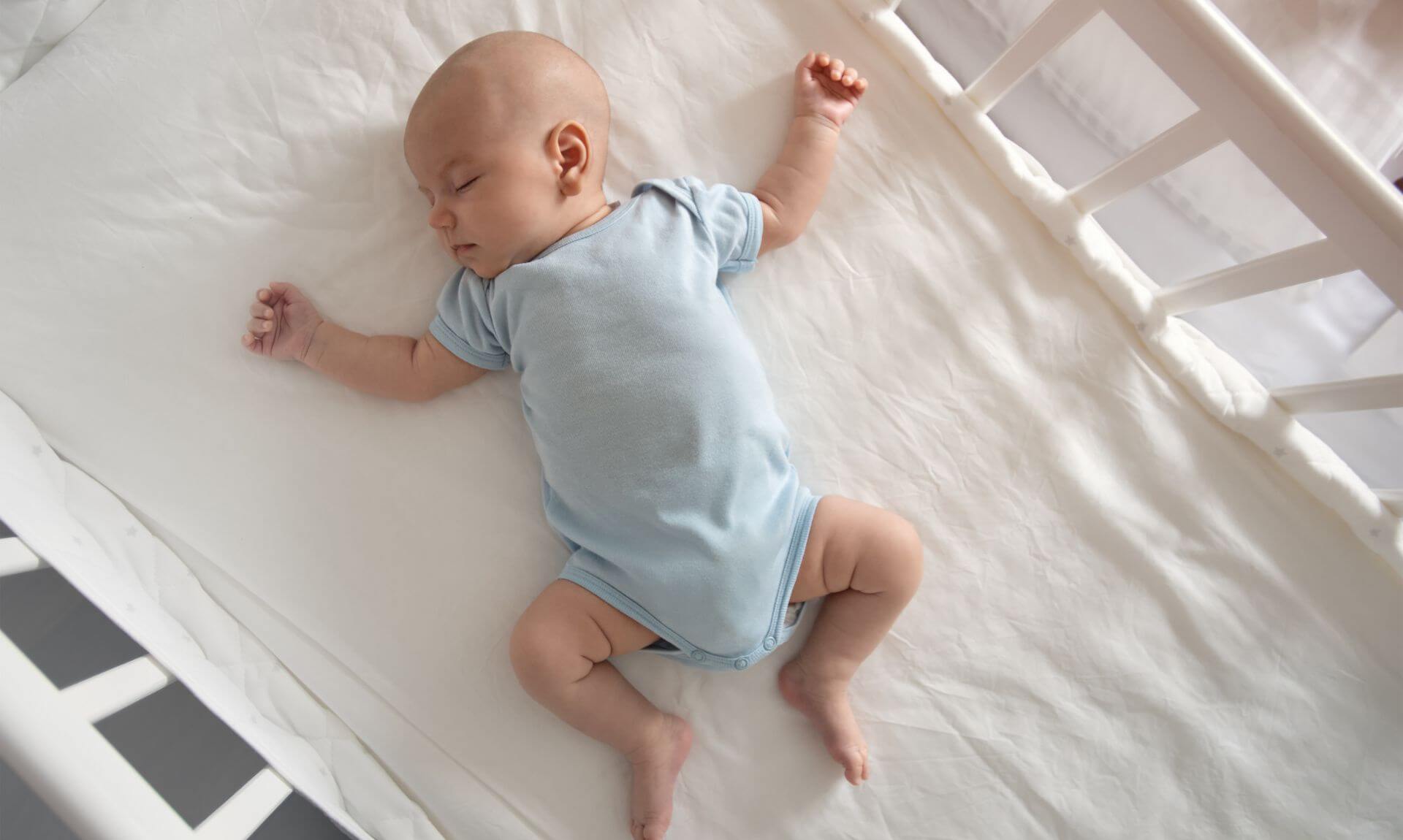
If you’re using a playard for sleep, it’s worth a quick chat with your health visitor, midwife or GP, especially if your baby was born early, has reflux, or you have any other concerns. Safe sleep guidance (flat on the back, firm surface, no loose blankets, pillows or bumpers) applies to playards just as much as it does to cots.
4 of the best baby playards
There’s a huge range of playards out there, from basic mesh-sided pens to travel systems that convert from bassinet to changing station to toddler play space. Here are four that consistently come up as good options, and what they’re each actually best suited for.
Graco Pack ‘n Play
The Graco Pack ‘n Play is about as close to a household name as playards get, and there’s a good chance your own parents used one. The basic version is still one of the most affordable playards on the market and does exactly what it needs to: a sturdy mesh-sided play space that folds down reasonably compactly and sets up in a minute or two.
Graco’s current range goes well beyond the basic model, though. Depending on which one you choose, you can get versions with a bassinet insert for newborn sleep, a fold-down changing table, and storage organisers for nappies and wipes, which effectively lets the same piece of furniture grow with your baby from newborn through toddler.
If you want the simplest, cheapest option and don’t need the extras, the original-style Pack ‘n Play is still hard to beat. Just be aware that on the most basic models, the bassinet stage may be a separate purchase or a specific version, so check exactly what’s included before you buy if newborn sleep is the priority.
Lotus Travel Crib and Portable Baby Playard
This one is built specifically around portability, which is its whole selling point. It comes with its own backpack-style carry bag designed to meet airline carry-on size requirements, so if you’re flying with a baby and don’t want to check a bulky travel cot, this is worth a look.
It sets up and folds down quickly, which makes it a good choice for weekend trips, days at the beach, or visiting family without wanting to lug around a full-size playard. It’s generally lighter than the more feature-heavy options, which is exactly the point, but that usually means fewer extras like changing tables or large storage pockets. If you want something you’ll genuinely throw in the car or a suitcase without a second thought, this trade-off is usually worth it.
Regalo Superyard ColorPlay Ultimate Playard
Once your baby is crawling or starting to walk, a playard like the Superyard ColorPlay earns its place. It’s less about sleep and more about giving you a safe, contained space to put your baby or toddler down while you cook dinner, unload the dishwasher, or just get five minutes to yourself.
It’s colourful, simple to fold for storage or transport, and can be used indoors or out in the garden, which is a genuine advantage over mesh-sided playards that aren’t designed for outdoor use. The main thing to know is that there’s no mattress or padded base, since it sits directly on whatever surface it’s placed on. Pairing it with a good play mat underneath makes it much comfier for a baby who’s crawling around or sitting for long stretches, and it’s a bit kinder on knees than bare floor or grass.
4moms Breeze Playard
The 4moms Breeze is a good middle ground between a basic playard and a full nursery centre. It comes with a bassinet attachment on top, which works well for newborn sleep and is also handy for nappy changes without you having to bend all the way down to floor level. Once your baby is older, the bassinet lifts off and you’re left with a standard playard for supervised play.
Its main selling point is the one-handed open and fold mechanism, which genuinely makes a difference when you’re juggling a baby, a nappy bag, and trying to set up in a hurry. It folds into a fairly compact carrying case too, so it travels reasonably well, though it does tend to sit at a higher price point than more basic playards, which is worth factoring in if budget is a big consideration.
A few practical things to check before you buy
Whichever playard you’re leaning towards, it’s worth doing a couple of sensible checks before you commit. Look up the model on the CPSC recall list (or your country’s equivalent) since playards and travel cots do occasionally get recalled for hardware or latch issues. Measure the space where you plan to set it up, particularly if you’re buying one of the larger models with a changing table attached, as some are bigger than people expect once fully assembled. And if you’re buying second-hand or accepting one as a hand-me-down, check that all the parts are there and that the mattress or padding hasn’t gone soft or lumpy over time, since a firm, flat sleep surface matters for safety.
Playards tend to be genuinely durable, which is part of why they’re such a popular hand-me-down item. Once your own child has outgrown it, there’s a good chance it’ll still have plenty of life left for a younger sibling, a friend’s baby, or reselling secondhand.
If you’ve been on the fence about getting one, most parents who take the plunge say the same thing: they wish they’d bought it sooner.
If you enjoyed this article, read our other pieces on baby products:
- 5 Diaper Changing Station Ideas That Will Make You a Dirty Diaper Destroyer
- How to Choose from the Safest Travel Beds for Babies
- The Most Popular Baby Floor Mats for Crawling
Share This Story, Choose Your Platform!

Latest Post


Latest News To Your Inbox
Subscribe to hear about our latest blog posts, competitions and special offers.