A Guide To The Best Baby Sleeping Bags

With so many sleep sacks and sleeping bags on the market, working out which one is actually right for your baby can feel more complicated than it should be.
If you’re trying to build a safer, more settled sleep routine, a sleeping bag (also called a sleep sack) is one of the simplest changes you can make. It keeps your baby at a steady temperature all night without loose blankets that can ride up over their face. A sleeping bag is not the same thing as a swaddle blanket, though some designs do double up as both. Below is a practical guide to the different styles, tog ratings, sizing and safety points worth knowing before you buy.
WHAT IS A BABY SLEEPING BAG?
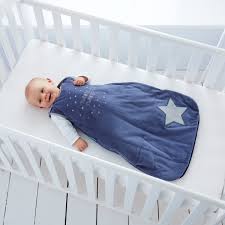
A baby sleeping bag is a wearable, sleeveless (or short-sleeved) blanket that zips up around your baby, keeping their chest and legs covered without anything loose in the cot. Many parents move to sleeping bags precisely because loose blankets, quilts and duvets are not recommended for babies in their first year, since they can slip over the face or cause overheating. A sleeping bag stays put and can’t be kicked off in the night.
They come in different weights for different seasons, and in a huge range of prints and colours. Most brands say they’re suitable from around 3 to 6 months, once your baby is out of the newborn swaddle stage, though some swaddle-style bags are designed for use from birth. Always check the specific product’s age and weight guide, and if you’re unsure whether your baby is ready, ask your health visitor or GP.

SOME OF THE BEST BABY SLEEPING BAGS
| Image | Title | |
|---|---|---|
TOP |
Woolino Baby Sleep Bag or Sack Merino Wool | Buy Now |
 |
HALO SleepSack 100% Cotton Swaddle | Buy Now |
 |
The GroCompany – Grobag Kissing Squirrels Baby Sleeping Bag | Buy Now |
 |
TEALBEE DREAMSUIT: Toddler and Early Walker Baby Wearable Blanket | Buy Now |
 |
Carter’s Baby 2-Pack Microfleece Sleepbag | Buy Now |
WHAT IS A TOG RATING, AND WHY DOES IT MATTER?
Tog is simply a measure of how warm the fabric is. The higher the number, the thicker and warmer the bag. Getting this right matters more than the print on the front, because an overheated baby is a real safety concern, not just a comfort one.
As a rough guide, matched to typical room temperature:
- 0.5 tog: hot weather, room temperature above roughly 24°C.
- 1.0 tog: mild to warm weather, room temperature around 21 to 23°C.
- 2.5 tog: the most commonly used, all-purpose weight, suited to room temperatures of around 16 to 20°C. This is the one most families reach for most of the year.
- 3.5 tog: cold winter nights, room temperature below around 16°C.
These are general ranges, not exact rules, and every baby regulates temperature slightly differently. A cheap room thermometer is genuinely useful here, it takes the guesswork out of dressing your baby for sleep. Check the back of your baby’s neck or their tummy (not their hands or feet, which are often cool anyway) to see if they feel too hot, sweaty or clammy. If in doubt, dress down a layer rather than up, and speak to your health visitor if you’re not sure how your baby is coping with the temperature.
TYPES OF BABY SLEEPING BAGS
There isn’t one single “best” sleeping bag. The right choice depends on your baby’s age, whether they’ve started rolling, your local climate, and honestly a bit of personal preference too. Here’s how the main styles differ.
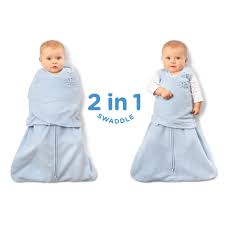
1. SWADDLE SACKS
Swaddle sacks are popular with newborns because they mimic the snug, held feeling of traditional swaddling without you needing to know how to fold a muslin properly. They have a simple bag-style bottom, usually zipped, with wings of fabric that wrap around the arms and fasten with velcro to hold them gently in place.
Most also let you free one or both arms as your baby grows and starts wanting more movement. Keep in mind that current safe sleep advice generally recommends stopping swaddling with the arms tucked in once a baby shows any sign of trying to roll, usually somewhere between 2 and 4 months, since a swaddled baby who rolls onto their front can’t push themselves back over as easily. Once that happens, it’s time to move to an arms-free swaddle sack or a standard sleeping bag. If you’re not sure when to make that switch for your baby, your health visitor or GP can advise.
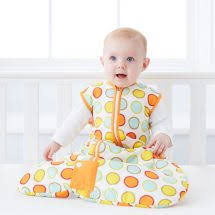
2. STANDARD SLEEP BAGS (SOMETIMES CALLED GROBAGS)
This is the classic design: a simple sleeveless or short-sleeved sack that zips up the front or side, leaving the legs free to move and kick. “Grobag” is technically a specific brand from The Gro Company, but in the UK the name gets used a bit like “hoover”, as a catch-all term for this style. These are the everyday workhorse of the sleeping bag world, and most families use this style from around 3 to 6 months right through toddlerhood, simply moving up a size and adjusting the tog as the seasons change.
Share This Story, Choose Your Platform!


Latest Post

Latest News To Your Inbox
Subscribe to hear about our latest blog posts, competitions and special offers.