
Your Body After Baby: What’s Normal and What’s Not

Becoming a mother is one of life’s most transformative experiences, but it can also bring unexpected changes to your body. It’s essential to understand what’s normal and when to seek advice. Here, we’ll explore some of the common postpartum changes and signs that may require further attention.
Physical Changes After Giving Birth
1. Vaginal Bleeding (Lochia)
After giving birth, it’s normal to experience vaginal bleeding and discharge, called lochia. This can last for up to six weeks and typically changes in colour from bright red to pink, then yellow or white. If you notice heavy bleeding (soaking through a pad in an hour) or large clots, contact your healthcare provider.
2. Breast Engorgement and Discomfort
Your breasts may feel full, firm, and even painful as your milk comes in, typically 3–5 days after delivery. This is normal, but if you develop redness, warmth, or a fever, it could indicate mastitis, an infection that requires medical treatment.
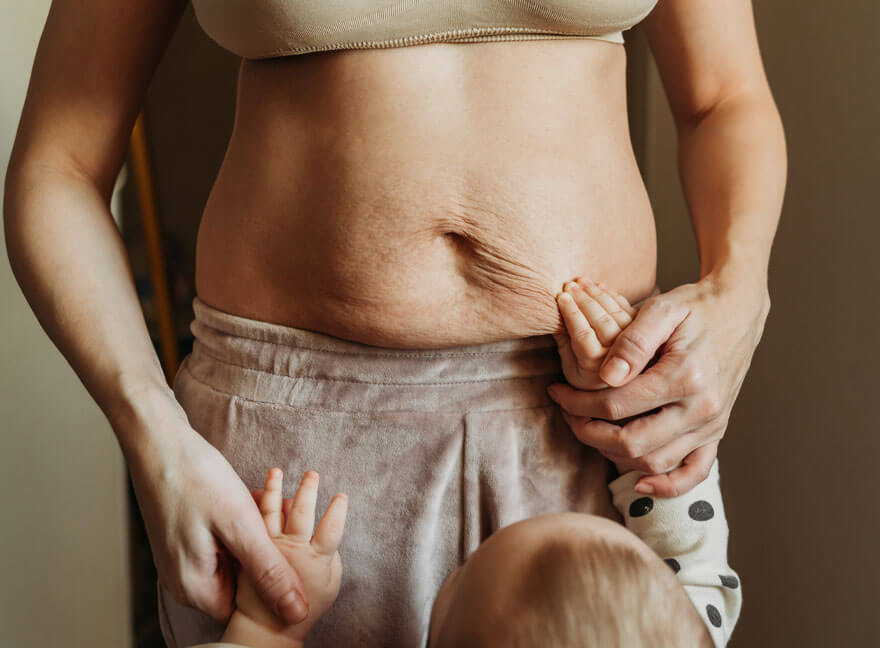
3. Postpartum Belly
It’s normal for your belly to remain soft and rounded for weeks or even months after giving birth. This is due to stretched muscles and skin, as well as the uterus shrinking back to its pre-pregnancy size. Gentle exercise, as recommended by your doctor, can help restore muscle tone over time.
4. Hair Loss
Many women notice increased hair shedding a few months after delivery, a result of hormonal shifts. This postpartum hair loss is temporary, and hair typically regrows within a year.
Emotional and Mental Wellbeing
1. Baby Blues
About 80% of new mums experience mood swings, irritability, or sadness in the first two weeks postpartum. This is often due to hormonal changes and the exhaustion of caring for a newborn. These feelings should improve with rest and support.
2. Postpartum Depression
If feelings of sadness, anxiety, or hopelessness persist beyond two weeks or interfere with daily life, it may be postpartum depression. This condition affects about 1 in 7 women and requires professional support. Speak with your doctor or a mental health professional if you feel overwhelmed.
What’s Not Normal: When to Seek Help
1. Severe Pain
Pain that doesn’t improve with over-the-counter pain relief or feels unbearable is not normal. This includes abdominal pain, headaches, or pain in your legs, which could signal a blood clot.
2. High Fever
A fever above 38°C (100.4°F) could indicate an infection, such as endometritis (infection of the uterine lining) or mastitis.
3. Heavy Bleeding
While some bleeding is expected, soaking through more than one pad per hour or passing clots larger than a golf ball could indicate a postpartum haemorrhage.
4. Difficulty Urinating or Bowel Issues
Painful urination, inability to urinate, or severe constipation can signal underlying issues, such as infection or damage to pelvic floor muscles.
5. Persistent Swelling
Swelling in your legs, especially if one leg is more swollen than the other or accompanied by redness, could indicate a blood clot (deep vein thrombosis).
Caring for Yourself Postpartum
Adjusting to life with a new baby is demanding, but self-care is essential for your recovery. Here are a few tips to support your body and mind:
- Rest When You Can: Sleep deprivation is common, so nap when your baby naps.
- Eat Nourishing Foods: A balanced diet can help your body heal and provide energy for caring for your baby.
- Stay Hydrated: Drink plenty of water, especially if you’re breastfeeding.
- Ask for Help: Whether it’s from your partner, family, or friends, don’t hesitate to ask for support.
Final Thoughts
Every mother’s postpartum journey is unique, and it’s normal to have questions or concerns about your recovery. Listen to your body, and don’t hesitate to reach out to your healthcare provider if something feels off. Remember, taking care of yourself is an essential part of taking care of your baby.
If you have questions or would like more tips for your postpartum journey, explore more articles on BabyCareMag.com for expert advice and support.
Share This Story, Choose Your Platform!


Latest Post


Latest News To Your Inbox
Subscribe to hear about our latest blog posts, competitions and special offers.