The Ultimate (Printable!) Baby Travel Checklist
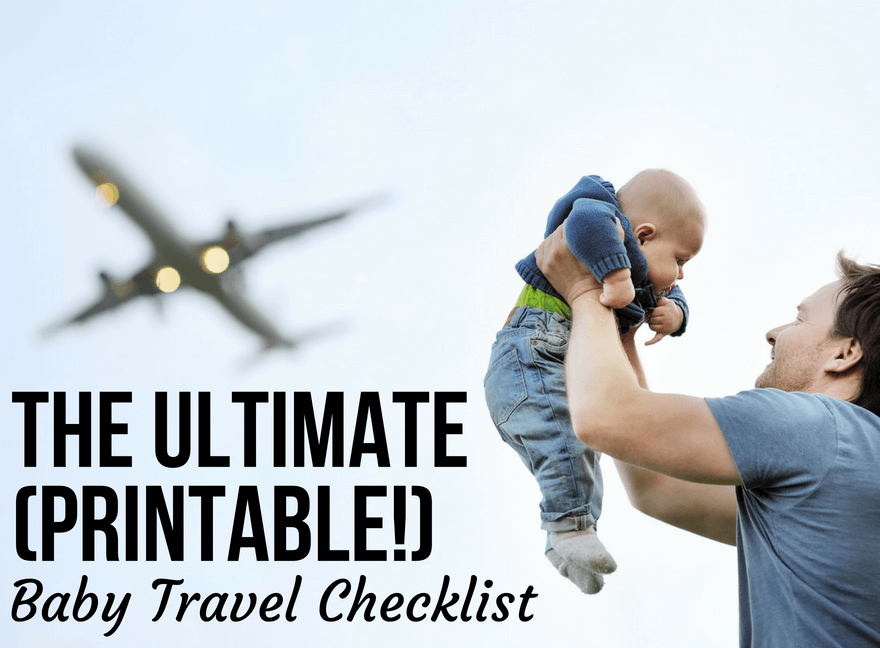
If you’re packing for a trip with a baby for the first time, brace yourself. The sheer volume of gear a tiny human requires is genuinely surprising, and it’s easy to either overpack until your suitcase won’t close, or forget something you only realise you need at 30,000 feet.
The trick isn’t packing more. It’s packing smart, starting early, and working from a proper list rather than trying to hold it all in your head three days before you fly (while also trying to keep a baby fed, clean and napping). Start pulling things together at least four or five days before you travel, and tick items off as you go rather than leaving it all to the night before.
Quick tip: pack tiny socks, vests and muslins in their own small zip-lock bags or packing cubes. Loose baby clothes have a habit of vanishing into every corner of a suitcase, and you don’t want to be unpacking the whole thing at a service station to find one missing sock.
The absolute basics: what you’ll need in transit
Before you think about the wider packing list, sort out what you actually need for the journey itself, whether that’s a two hour car trip or a long haul flight.
Nappies and wipes
A rough rule of thumb is one nappy per hour of travel time, plus a few extra for delays (because there will be delays). Pack more wipes than you think you’ll need too, they’re useful for far more than nappy changes, from wiping down a tray table to cleaning sticky hands.
Plastic or wet bags
Bring a mix of sizes for soiled nappies, wet clothes and anything that leaks. Resealable freezer bags work well and don’t take up much room.
A baby carrier or sling
A lightweight sling or front carrier is one of the most useful things you can pack for airports, queues and anywhere a pram is awkward. It keeps your hands free for boarding passes, passports and pulling suitcases, and it settles a lot of babies faster than a pram ever will in a noisy terminal.
A diaper bag that actually works hard
Look for one with a decent shoulder strap or that clips onto a pram, and ideally with a wipeable or waterproof lining. Pack a spare outfit or two for baby (leaky nappies and reflux spit up are not fussy about timing), plus toiletries and any medicines in resealable bags in case anything spills in transit.
Documents and money
Requirements vary depending on where you’re travelling and whether you’re going abroad, so check the specifics with the airline, your embassy or the destination country’s entry requirements well ahead of time. As a general checklist:
- Cash, credit and debit cards (check they’ll actually work at your destination before you go)
- Passports for everyone travelling, including baby, if you’re flying internationally
- Driving licence
- A signed consent letter from the non-travelling parent if you’re flying solo with baby, this is required by many countries and some airlines and border officials will ask for it
- Photocopies (or photos on your phone) of passports and ID, kept separately from the originals
- Travel and health insurance documents
- Vaccination records if your destination requires them
- Trip itinerary, flight confirmation numbers, and hotel or car hire booking references
A health and medicine kit for baby
Pack a small, dedicated kit rather than relying on finding things once you’re there. Include a digital thermometer, infant paracetamol or ibuprofen if your baby is old enough for it (always check current dosing by weight and age on the packaging, and speak to your doctor, midwife or health visitor beforehand if you’re unsure), saline nasal drops, and any teething gel or cream you normally use.
If your baby is on any prescription medicine, carry it in its original packaging with the prescription label, and consider asking your GP for a short letter confirming what it is and why your baby needs it, particularly for international travel or if it needs to go through airport security. Also worth packing: plasters, antiseptic cream, cotton wool, and oral rehydration sachets in case of an upset tummy. If your baby is unwell before you fly, it’s worth checking with your GP or health visitor whether it’s sensible to travel at all, especially with ear infections or a heavy cold, as pressure changes can be uncomfortable.
Toiletries
Keep baby’s toiletries separate from your own so you’re not digging through your washbag one-handed while holding a squirming baby. A reasonable list:
- Baby shampoo and wash (fragrance-free if your baby has sensitive skin)
- Nappy cream, plus a spare tube
- Soft hairbrush
- Nail scissors or clippers
- Sun cream suitable for babies (note that sunscreen isn’t generally recommended for babies under six months, keep them in the shade and covered instead, and check with your health visitor if you’re unsure)
- Insect repellent suitable for infants, if needed for your destination
For yourself, don’t forget the usual basics: toothbrush, contact lenses or glasses, any regular medication, and feminine hygiene products.
Clothes: how much is actually enough
If you’re not sure what the weather will do, pack in layers so you can add or strip things off rather than guessing. As a rough guide, plan for two outfits per day if you won’t have access to laundry, since spit up, leaks and general mess mean babies go through clothes fast. If you will have laundry facilities, three or four days’ worth is usually plenty.
- Vests and t-shirts
- A couple of long sleeved tops for cooler evenings
- Sleepsuits or pyjamas
- A cardigan or light jacket, even in summer
- Sun hats, ideally two, they get left behind or blown off constantly
- Socks and soft shoes or sandals
- Swimwear and a swim nappy if there’s any chance of a pool or beach
- One slightly smarter outfit, just in case
Gear worth bringing (or hiring instead)
Big items like travel cots, prams and car seats are the hardest part of packing for baby, and often the thing that turns “one suitcase” into “why do we need a van.” A few things to think about:
- Car seat: most airlines let you check a car seat free of charge in addition to your normal luggage allowance, and it’s usually safer and cheaper than hiring one abroad unless you know the hire company well. If you’re driving, obviously the seat needs to be correctly fitted for your child’s current weight and height, check your vehicle handbook and the seat manual if you’re unsure.
- Travel cot: many hotels and self-catering rentals can provide a travel cot on request, so it’s always worth asking before you pack your own. If you do bring one, a lightweight pop-up style is far easier to manage than a bulky standard travel cot.
- Pram or stroller: a lightweight, compact stroller is much easier through airports and on public transport than a full travel system. You can usually gate-check a stroller right up to the aircraft door and collect it again as you get off.
- Special comfort items: pack baby’s favourite blanket, comforter or toy in your hand luggage, not the hold. If it goes missing with checked luggage, you’ll be very glad you kept it with you.
Flying with a baby: a few practical tips
If you’re going by air, a couple of things make a real difference. Feeding baby (breast, bottle or a dummy for older babies) during takeoff and landing helps with the ear popping caused by pressure changes, since swallowing helps equalise pressure in little ears. Check your airline’s current rules on carrying breastmilk, formula and baby food through security, as most allow reasonable quantities beyond the usual liquid limits, but it’s worth checking their website beforehand so you’re not caught out at the gate. If you’re booking long haul, ask about bassinet seats at check-in or when booking, airlines often have a limited number and they need to be requested in advance.
Everything else, at a glance
Once the essentials above are sorted, here’s the wider list for specifically baby related items to run your eye down before you zip up the case:
- Formula or milk (check airline and customs rules if flying with formula or expressed milk)
- Baby food, pouches or snacks for older babies
- Bottles, teats and a bottle brush
- Sippy cup, if weaned
- Spare dummies
- Bibs and a couple of muslins
- Bath toys, if staying somewhere with a bath
- Changing mat
- Nappy sacks and extra nappies
- Wipes, more than you think
And finally, before you head off, save your baby’s GP or paediatrician’s phone number somewhere easy to find, along with any travel insurance emergency number. You probably won’t need either, but it’s one less thing to hunt for if you do.
If you’re planning a trip that involves camping rather than hotels, have a look at our guide to essentials for camping with a baby for what changes when you’re packing for a tent instead of a suitcase.
Share This Story, Choose Your Platform!

Latest Post

Latest News To Your Inbox
Subscribe to hear about our latest blog posts, competitions and special offers.