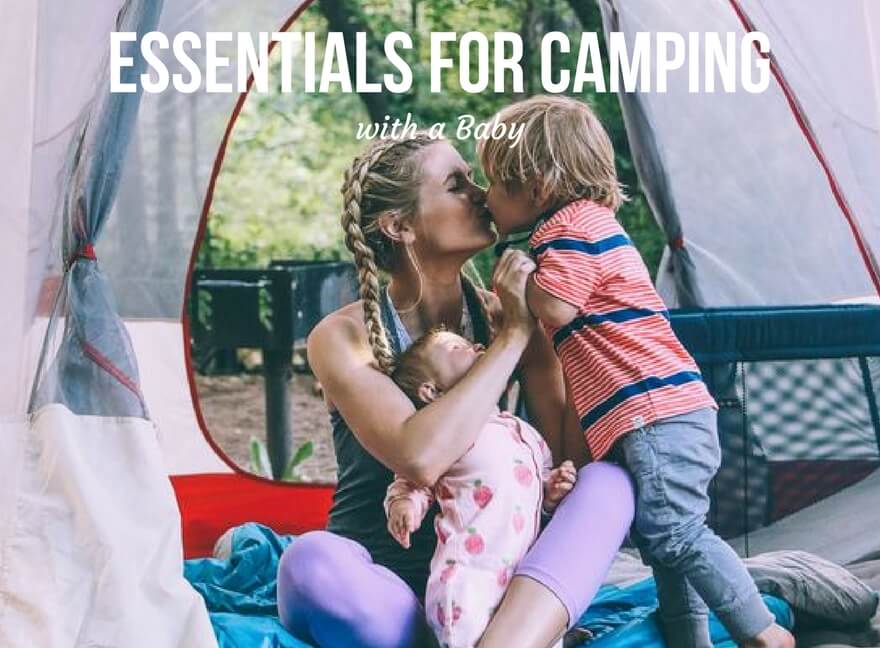
Essentials for Camping with a Baby
Are you brave (or slightly mad) enough to take your baby camping this summer?
If so, let’s talk about what you actually need. Camping with a baby is a completely different experience to camping as a couple or with older kids who can walk, talk and tell you what’s wrong. Even if you’ve camped for years, doing it with an infant in tow can make it feel like your very first trip all over again.
The preparation takes longer. The packing list is longer. And your idea of what a “relaxing” camping trip looks like will need a serious rethink. But that’s parenting in general, isn’t it? Everything just takes more planning than it used to.
Before taking our two children (both under one at the time) on a three day camping trip, we did a lot of reading, a lot of list making, and a fair bit of worrying. Here’s what we learned, and what we’d genuinely recommend packing and thinking about if you’re planning a camping trip with a baby.
Choosing the right tent
You don’t need anything fancy, but a few features make a real difference once there’s a baby involved. Look for a tent with enough standing height that you can change a nappy or feed your baby without crawling around on your knees the whole time. A porch or vestibule area is brilliant for storing muddy shoes, prams or a pack and play out of the weather. Good ventilation matters too, tents heat up fast in direct sun and a stuffy tent is miserable for a baby who can’t regulate their own temperature as well as you can.
If you can, practise pitching the tent at home before you go. Setting it up for the first time in a car park with a screaming baby in the back seat is not the memory you want.
What to actually do with a baby while camping
This depends a lot on your baby’s age and stage.
If your baby isn’t mobile yet, a good carrier means you can do almost everything you’d normally do: short hikes, fishing from the bank, exploring the campsite, sitting round the fire in the evening. Babies at this age are often happiest just being close to you and taking in new sounds, smells and scenery.
Once your baby is walking, things open up a bit more. A toddler life jacket lets you take them out on a calm lake in a canoe or on a raft (always with close supervision, life jackets fitted properly, and ideally in very shallow, calm water only). Paddling in shallow water is usually a hit. A balance bike or trike is great for pottering around a flat campsite. Simple nature based activities, collecting leaves and sticks, spotting birds, stargazing once it’s dark, cost nothing and tend to hold a toddler’s attention far longer than any toy you packed.
When is a baby old enough to go camping?
There’s no strict age you need to wait for, and plenty of families camp with newborns without issue. That said, it’s worth having a chat with your health visitor, midwife or GP before your first trip, especially if your baby was premature, has any health conditions, or you’re planning somewhere remote with no quick access to medical help.
Realistically, the adapting is all on you. Your baby feels at home wherever you are, as long as they’re warm, fed, dry and close to you. The main things to think through carefully are temperature control (both too hot and too cold), sun exposure, and how far you’ll be from help if something goes wrong.
Packing list: the essentials
A few of these are obvious. Some are things we only learned by getting it wrong first.
- Disposable nappies, more than you think you need. We use cloth at home, but for camping we switched to disposables. Nobody wants to be carrying soiled cloth nappies around in a nappy bucket on a hot car journey home. Pack at least a third more than your usual daily count, since babies often go through nappies faster when they’re drinking more or dealing with a change in routine.
- Extra wet wipes. You will get through far more than a normal day at home, for hands, faces, sticky campsite messes and quick clean ups when there’s no sink nearby.
- Hand sanitiser. Campsite bathrooms and picnic tables aren’t always spotless, and you won’t always be near a sink before feeds or nappy changes.
- Weather appropriate layers. A hat for cold mornings, another hat for sun protection, mittens or scarfleeved a snowsuit if it’s genuinely cold, and socks even for babies who normally kick them straight off. Little hands and feet lose heat much faster than yours, especially since you’re moving around and generating body heat while baby is more often sitting still.
- Swaddles or a sleeping bag suited to the temperature. Check the tog rating against the overnight forecast rather than guessing.
- Books and a few favourite toys. Handy for early starts in the tent, quiet moments during the day, and evenings by the fire once bedtime routines go slightly out the window.
- A travel cot or pack and play, if your baby is crawling or walking. It’s genuinely one of the most useful pieces of kit for camping. Use it for naps, or as a safe contained space to put baby down while you’re cooking, setting up or packing away camp.
- A good baby carrier. This might be the single most useful thing on the list. It keeps your hands free for putting up tents, cooking or hiking, and it’s often the fastest way to settle a fussy baby in an unfamiliar environment.
First aid kit
Pack a proper first aid kit and know how to use it. At minimum: plasters, a saline wash or antiseptic wipes, infant paracetamol or ibuprofen (check the correct dose for your baby’s age and weight with your pharmacist beforehand), a thermometer, tweezers for splinters or ticks, and sunscreen. Sunscreen should only be used on babies over six months old, for younger babies keep them fully covered and out of direct sun instead.
On insect repellent, follow current guidance carefully rather than assuming stronger is better. Products containing DEET aren’t generally recommended for babies under two months old at all. For older babies and toddlers, use the lowest effective concentration, apply it to clothing rather than skin where possible, avoid hands, eyes and mouth, and never spray it directly onto their face. If you’re unsure what’s suitable, ask your pharmacist or health visitor before you go. It’s also worth reading our full guide on keeping baby safe from mosquitos.
It’s also sensible to do a quick tick check on your baby’s skin, especially around the hairline, ears and creases, after time in long grass or woodland.
Sleep while camping
Keeping baby warm without overheating. Don’t let worry about your baby getting cold tip over into overdressing them, overheating is a genuine risk too. Bring extra layers and blankets so you have options, but check your baby’s chest or the back of their neck through the night rather than judging by how cold their hands feel. A fleece sleeper works well as a base layer, and a fleece blanket underneath a sleeping bag helps insulate against the cold ground, which is often where the real chill comes from.
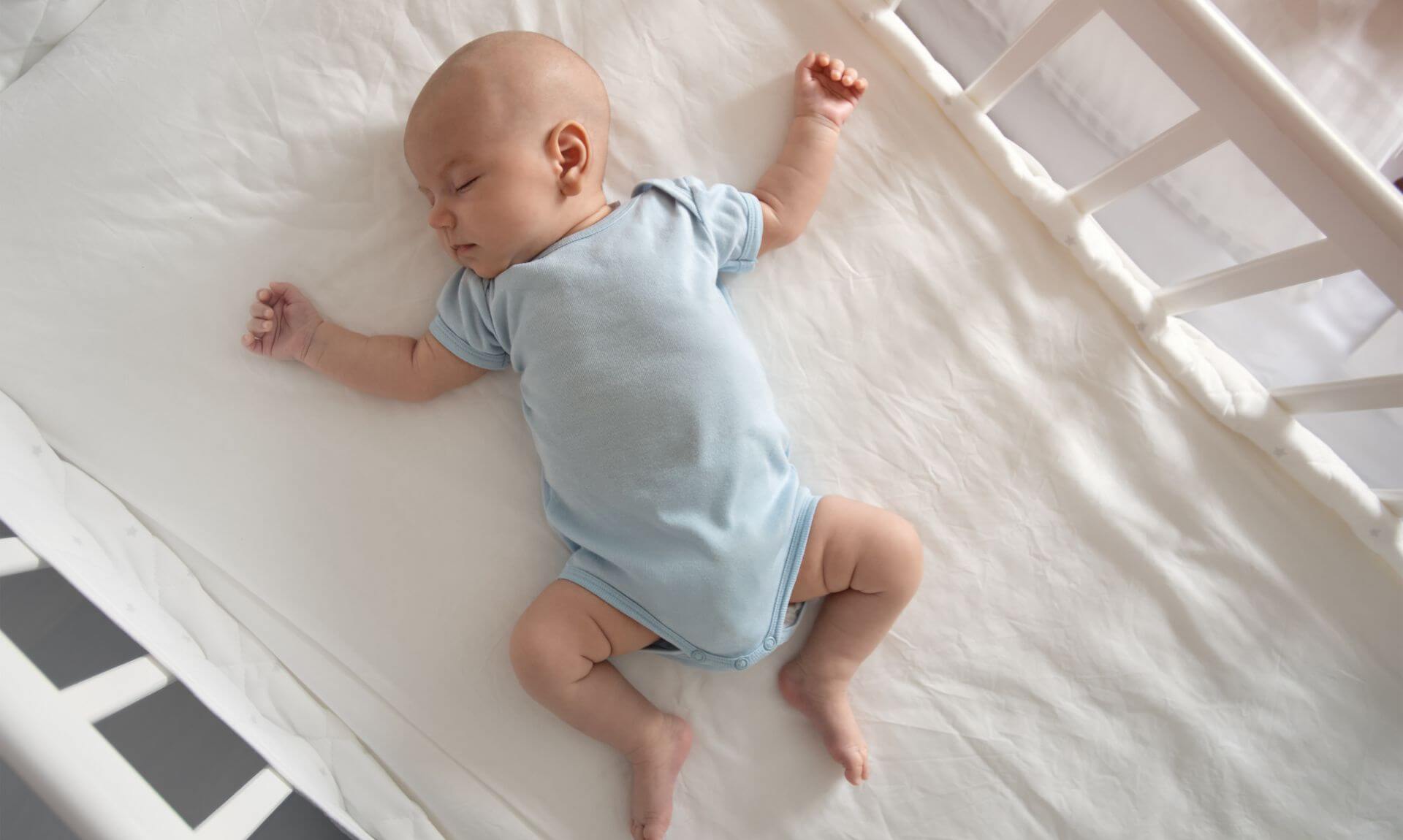
Where baby sleeps. This is worth thinking through properly rather than deciding on the spot. Standard safe sleep guidance recommends that babies sleep on their own firm, flat surface, on their back, with nothing loose in the space with them, ideally in the same room as you but not sharing your bed or an air mattress. That guidance doesn’t change just because you’re camping. A pack and play or a proper travel cot inside the tent, positioned close to where you’re sleeping, is generally the safer option and keeps you within arm’s reach.
If you already bedshare safely at home following the usual precautions (firm surface, no soft bedding, no alcohol or smoking, baby not swaddled), you may choose to continue that setup camping, but an air mattress specifically is soft and can create pockets that increase suffocation risk, so it’s not the same as your usual bed. If you’re unsure what’s right for your situation, it’s worth talking it through with your health visitor before you go rather than deciding for the first time on the trip itself.
Enjoy it, and let go of the plan if you need to
We had a genuinely brilliant time camping with our babies for the first time. Percolator coffee, the smell of a campfire, hot dogs eaten slightly too fast, and two small humans napping in a pack and play under the trees. It’s worth doing.
But do go in with flexible expectations. It might rain for two days straight with no sign of clearing. You might end up packing up early and heading home a day sooner than planned. That’s fine. The point of the trip is enjoying time together as a family, not proving a point, so if the weather or your baby’s mood changes the plan, let it.
Some people will think you’re brave for camping with a baby. Others will think you’re mad. Ignore both. Pack the essentials, trust your own judgement about what your baby needs, and go and have your trip.
What would you add to this list? Let us know what worked for your family.
Share This Story, Choose Your Platform!


Latest Post

Latest News To Your Inbox
Subscribe to hear about our latest blog posts, competitions and special offers.