Airline Rules Cheat Sheet for Flying with Baby
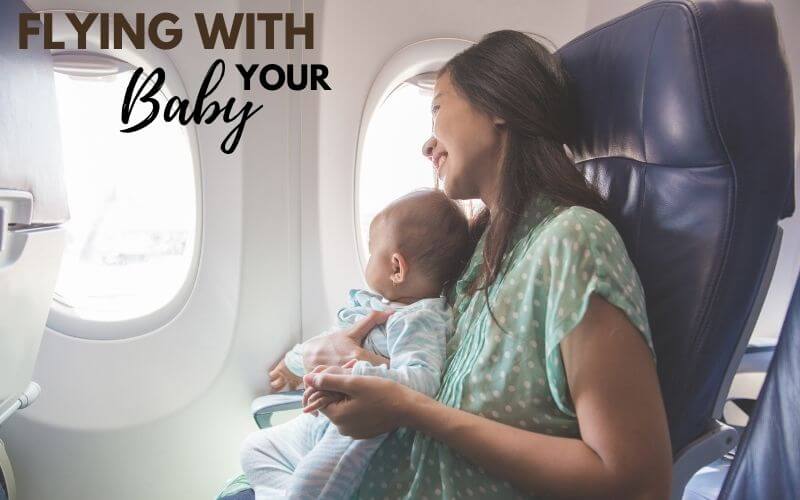
Flying with a baby is one of those things that sounds terrifying until you’ve actually done it, and then you realise it’s mostly just planning and patience. The rules around lap infants, car seats and what you can carry through security trip up even experienced parents, partly because every airline does things slightly differently. This cheat sheet pulls together what you actually need to know before you head to the airport, so you can spend less time worrying and more time enjoying (or at least surviving) the trip.
Booking Your Baby’s Ticket
In the US, most airlines let a baby under 2 years old fly as a “lap infant” on domestic flights at no extra cost. You’ll still need to tell the airline you’re travelling with an infant when you book, and you’ll usually need to show proof of age (a birth certificate or passport) at check-in. On international flights, a lap infant typically isn’t free. Airlines commonly charge around 10% of the adult fare, though this varies, so check directly with the airline before you book.
Worth knowing: if you’re booking a return flight and your baby will turn 2 before the trip home, they’ll need a full paying seat for that return leg. Airlines apply the age rule to each individual flight, not just the date you booked.
Buying a separate seat for your baby costs more, but it means you can bring an FAA-approved car seat on board, which gives your baby a proper, familiar spot to sleep and is genuinely safer than being held on your lap during turbulence. If you can stretch to it, especially on a long-haul flight, it’s often worth the extra money.
What to Pack
Pack more than you think you need, then add a bit more on top. Delays happen, and being stuck at a gate for three extra hours with no nappies is not where you want to be.
- Nappies and wipes: Bring at least two nappies per hour of travel time, including time spent waiting at the gate and any potential delays, plus a pack of wipes and a couple of nappy sacks.
- Formula, milk and baby food: The TSA allows formula, breast milk and baby food in quantities greater than the usual 3.4oz liquid limit, because they’re considered medically necessary. You’ll need to declare them separately at the security tray so they can be screened or tested. Ice packs or freezer packs to keep them cool are also permitted.
- A change of clothes: For your baby and for you. Blowouts have a habit of happening at 35,000 feet, and you don’t want to spend the rest of the flight covered in it.
- A well-organised bag: Look for a diaper bag with clear separate pockets rather than one big compartment, so you’re not digging around for a dummy while your baby is screaming. Many airlines don’t count a nappy bag towards your carry-on limit, but it’s worth confirming with your specific airline before you fly.
Getting Through Security
Security with a baby looks a little different but isn’t as stressful as people expect once you know the process.
- Strollers and carriers: These generally go through the X-ray machine. Umbrella strollers usually fold small enough to go on the belt; larger ones may need to be screened separately, so be ready to fold it down.
- Car seats: If you’re bringing a car seat through, it will need to be screened too. Some parents find it easier to gate-check it rather than carry it through security, but that’s a personal choice.
- Baby food and liquids: Take these out of your bag and tell the officer you have them before your bags go through the scanner. They may swab or test them, which is normal and quick.
- Baby carriers: If you’re wearing your baby in a sling or carrier, you’ll likely be asked to take them out and carry them through the metal detector separately, so factor a few extra minutes in for this.
Car Seats, Bassinets and the CARES Harness
If you’ve bought a seat for your baby, you can bring an FAA-approved car seat on board, provided it has a label stating it’s certified for use on aircraft. Not every car seat qualifies, so check the label before you travel. The seat also needs to fit within the width of an airline seat, which is usually around 16 inches, so measure yours beforehand if you’re not sure.
Booster seats are generally not allowed for takeoff and landing, because they’re designed to work with a lap-and-shoulder belt, and most economy seats only have a lap belt. If your toddler has outgrown a rear-facing or forward-facing harnessed car seat but isn’t ready for a regular seatbelt, the FAA-approved CARES harness is a good option. It’s lightweight, fits in a nappy bag, and works with a standard aircraft seatbelt for children roughly 22 to 44 pounds.
On many long-haul international flights, airlines offer bassinets that attach to the bulkhead wall for very young babies, usually up to around 20 pounds or a certain length. These are limited in number and need to be requested well in advance, ideally when you book or as soon as possible afterwards, so don’t leave it until check-in.
On the Plane
Feeding your baby during takeoff and landing genuinely helps with ear pressure, because the sucking and swallowing motion helps equalise pressure in the ears. Breastfeeding, bottle-feeding, or offering a dummy all work. If your baby is sleeping through takeoff, there’s usually no need to wake them just to feed them, but if they seem uncomfortable or start crying as the plane descends, that’s often the ear pressure and worth trying to settle with a feed or dummy.
Nappy changes on a plane are rarely glamorous. Some aircraft have a small fold-down changing table in the lavatory, but plenty don’t, especially on shorter domestic routes, so it’s worth checking your airline’s aircraft type if you’re curious. If there’s no table, a portable changing mat on your lap or on the closed toilet lid will do the job. Try to avoid changing a nappy at your seat if you can help it, both for hygiene and for the sake of your row-mates.
Bring a small stash of new or favourite toys, board books, or anything with buttons and textures for babies old enough to be interested. Novelty helps more than volume, a “new” toy they haven’t seen in a week often works better than three familiar ones.
Being a Considerate Flyer
Most airlines don’t offer priority boarding for families with infants, though a few do, so it’s worth asking at the gate rather than assuming either way. Families are also generally not permitted to board ahead of other passengers as standard policy, though gate agents will sometimes make exceptions if you ask nicely, especially if you’re travelling with a car seat or a lot of gear.
A good strategy if there are two of you travelling is to have one adult board early with the bags and stroller to get everything stowed, while the other holds the baby and boards closer to the general boarding time. This cuts down the total time your baby has to sit still on the plane before you’ve even taken off.
Babies cry. It’s not a reflection on your parenting and most fellow passengers understand that, even if their face doesn’t always show it. A quiet, genuine “sorry in advance, we’ll do our best” to your immediate neighbours before takeoff tends to go a long way, and headphones or a white noise app on your phone can help take the edge off for everyone nearby.
A Few Extra Tips That Actually Help
- Ask for the bulkhead row. It gives you extra floor space for a bag or bassinet and there’s no seat in front for little hands or feet to kick.
- Use your stroller as a luggage trolley. Most airlines let you check a stroller at the gate for free, right up until you board, so use it to cart your bags through the airport and hand it over just before you walk down the jet bridge.
- Book around nap times where you can. It doesn’t always work out, but a flight that lines up with your baby’s usual sleep window can make a huge difference to how the whole journey feels.
- Pack a spare outfit for yourself too, not just your baby. You’ll be glad of it at some point.
- Check passport and documentation rules early if you’re flying internationally. Babies need their own passport, and if you’re travelling without the other parent, some countries expect a signed consent letter. Rules vary by destination, so check with the embassy or your airline well before you travel.
Every baby and every flight is a bit different, and what works brilliantly for one family might not for another. If you’re ever unsure about a medical issue, such as whether it’s safe for your baby to fly at a particular age or with a particular condition, it’s always worth a quick check with your health visitor, GP or midwife before you travel.
Have you got a tip that saved your sanity on a flight with your baby? Share it in the comments, other parents will thank you for it.
Share This Story, Choose Your Platform!

Latest Post

Latest News To Your Inbox
Subscribe to hear about our latest blog posts, competitions and special offers.