5 Tricks on How to Fly With Babies
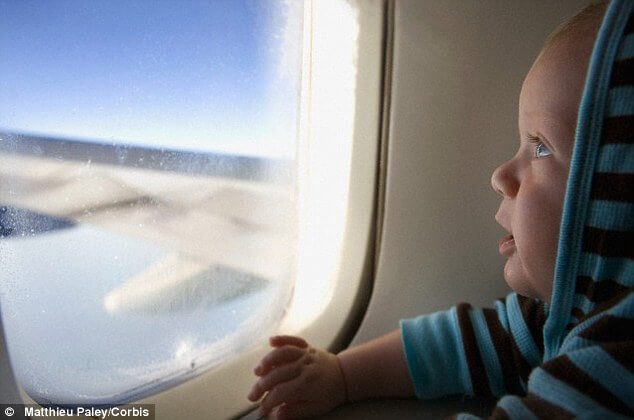
Flying with a baby for the first time can feel like one of those things you’d rather put off indefinitely. But life doesn’t always wait for your baby to be “ready”, and plenty of families end up booking flights with a newborn or young infant because of a wedding, a job move, or simply wanting grandparents to meet the new arrival. The good news is that babies are often easier travellers than toddlers. They can’t run off, they sleep a lot, and if you get the basics right, the whole thing is usually far less stressful than you’re expecting.
Here are five practical things that genuinely make a difference when you’re flying with a baby, plus a few extra bits worth knowing before you get to the airport.
1. Plan the details, not just the destination
Booking the flight is the easy part. The planning that actually matters happens after that.
If you have a choice, go for the most direct route you can find, even if it costs a little more. Every layover adds another round of unbuckling a car seat, wrestling a pram through security again, and hoping your baby’s next nap lines up with the gate change. If a connection is unavoidable, build in a generous buffer between flights. An hour might be fine for you on your own, but with a baby, a nappy change, a feed, and a slow walk between terminals, it disappears fast. Aim for at least 90 minutes to two hours where possible.
When you book, call the airline directly or ring them after booking online to flag that you’re travelling with an infant. Airlines have different rules about infant fares, car seats, and where you’re allowed to sit, so it’s worth checking rather than assuming. Some airlines also offer bassinets for young babies on long-haul flights, but these are usually limited in number, have weight and age limits (often up to around 6 months or a certain kilogram weight), and need to be requested in advance. Don’t leave this until check-in.
It’s also worth checking your airline’s specific documentation requirements for infants. Most will want proof of age (a birth certificate is usually fine domestically), and for international travel your baby will typically need their own passport, so factor that application in early as passport offices can take weeks.
2. Think about timing, not just the seat
A lot of parents swear by booking flights around nap times or overnight, hoping the hum of the engines and the darkness will send their baby off to sleep for most of the journey. It can work brilliantly, and it can also backfire spectacularly if your baby decides that’s the one night they want to be wide awake. There’s no guaranteed formula here, so don’t stake your whole plan on it. If you can, choose a time that fits reasonably well with your baby’s usual sleep pattern, but pack enough patience for the possibility that they sleep through none of it.
3. Choose your seat with some thought
Where you sit does make a difference, and opinions among parents and cabin crew vary a bit depending on what you’re prioritising.
The bulkhead seats (the ones right behind a wall or divider) often have a little more legroom and, on some international aircraft, a bassinet you can attach for your baby to sleep in. The trade-off is that you usually can’t keep your bag at your feet during take-off and landing, so anything you might need in a hurry has to live in the overhead locker or the seat pocket, which isn’t ideal if your baby is unsettled.
Seats further back tend to be quieter in terms of foot traffic, are close to a toilet for nappy changes, and some parents find turbulence feels less noticeable there. Seats over the wing, closer to the engines, are sometimes recommended by cabin crew because the steady engine noise acts a bit like white noise, which some babies find soothing (understandably, given how noisy the womb actually is).
There’s no single “correct” answer. If you can, pick based on what matters most to you: quick access off the plane, proximity to the bathroom, or a bit of extra quiet. If you’re travelling with a partner or another adult, sitting on either side of the aisle rather than squeezed together can also give you both a bit more room to move.
4. Pack smart, and expect delays
Pack more than you think you’ll need, especially in your carry-on. Flight delays happen, and a two-hour delay with only one spare nappy is not a fun way to spend an afternoon. A rough guide for a carry-on nappy bag: one nappy per hour of travel time plus a couple extra, a full change of clothes for your baby (and a spare top for you, babies are unpredictable with mess), wipes, nappy bags, a changing mat, any formula or expressed milk you need in a cooler pouch, and snacks if your baby has started solids.
For take-off and landing, changes in cabin pressure can be uncomfortable on little ears. Feeding, whether that’s breastfeeding, a bottle, or a dummy, encourages swallowing which helps equalise the pressure. Have whatever your baby feeds from ready before descent starts, since it’s much harder to prepare a bottle once the seatbelt sign is on and the plane is already dropping in altitude.
A jacket or vest with several pockets is a genuinely useful bit of kit while travelling, letting you keep a dummy, wipes, or your phone within reach without digging through a bag every time. It sounds like a small thing, but on a flight where your hands are usually full, it helps more than you’d expect.

5. Decide whether to book your baby their own seat
Most airlines allow babies under two to fly as a “lap infant”, usually for free or for a small percentage of the adult fare, sitting on a parent’s lap for the whole flight. It’s the cheaper option and works fine for a lot of families, especially on shorter flights.
If your budget stretches to it, though, booking your baby a seat of their own has real advantages. It means you can bring a rear-facing, aircraft-approved car seat on board and strap your baby in the same way you would in the car, which most safety authorities, including the FAA and CASA, consider safer than holding a baby on your lap during turbulence or an unexpected bumpy landing. Check with your airline in advance about which car seats are approved for use on board, as not all models are certified for aircraft use, and the seat usually needs to be fitted in a window seat so it doesn’t block another passenger.
Practically speaking, babies often settle better in their own seat too, since it’s a familiar, contained space, and you get your arms and lap back for the rest of the flight.
6. Board as late as sensibly possible
There’s no rule saying you have to board with “priority” families first, and often it’s better not to. The longer your baby is strapped into a car seat or sitting still in a cramped row before the plane has even moved, the more restless they’re likely to get. If you’re travelling with a partner, let one of you board earlier to get the car seat fitted and bags stowed, while the other waits in the terminal with the baby until boarding is nearly finished. Then you walk straight on, get settled, and hopefully only have a short wait before you’re taxiing.
If you’re flying solo with your baby, ask the gate staff if you can pre-board. Most airlines are happy to let parents with infants board a few minutes early so you’re not rushing, and it takes a bit of the pressure off.
A few final things worth knowing
Security screening rules for baby items (formula, expressed milk, gels for teething) vary by country, so check your departure airport’s guidelines beforehand rather than finding out at the tray table. Most allow reasonable quantities of baby food and milk through security even in liquid form, but staff may ask to test or inspect it.
If your baby is unwell, has an ear infection, or has had a cold in the days before the flight, it’s worth checking with your GP or health visitor about whether flying is a good idea. Pressure changes can be more uncomfortable, and sometimes painful, for a baby with congestion or an active ear infection.
None of this guarantees a perfectly smooth flight, and there’s a good chance your baby will cry at some point regardless of how well you’ve prepared, that’s just what babies do sometimes. But with a bit of forward planning, the right seat, a well-packed bag, and realistic expectations, flying with your baby is very much doable, and most families come out the other side wondering what they were so worried about.
Share This Story, Choose Your Platform!

Latest Post

Latest News To Your Inbox
Subscribe to hear about our latest blog posts, competitions and special offers.