
Paced Bottle-Feeding: A Guide for New Parents

Feeding your baby is one of the most significant bonding experiences you’ll share in their early days. Whether you’re breastfeeding, formula feeding, or a mix of both, understanding how to feed your baby safely and effectively is crucial. One method gaining popularity among parents is paced bottle-feeding. This approach mimics the natural rhythm of breastfeeding and supports healthy feeding habits for your baby. Here’s everything you need to know to get started.
What is Paced Bottle-Feeding?
Paced bottle-feeding is a technique designed to help babies feed more naturally, regulating their intake and reducing the risk of overfeeding. Unlike traditional bottle-feeding, where milk flows freely, paced feeding allows the baby to take breaks, just as they would at the breast. This approach gives babies greater control over their feeding, making it easier for them to recognise when they are full.
Why Choose Paced Bottle-Feeding?
Paced bottle-feeding offers several benefits for both babies and parents:
- Promotes Healthy Eating Habits: It helps babies learn to self-regulate their milk intake, reducing the risk of overfeeding.
- Reduces Colic and Reflux: By slowing down feeding, this method can minimise the amount of air your baby swallows, which often leads to discomfort.
- Supports Breastfeeding Transitions: If you’re combining breastfeeding and bottle-feeding, paced feeding can help your baby adjust to the bottle without confusion.
- Fosters a Calm Feeding Environment: The method encourages a more relaxed pace, allowing for a stronger connection between you and your baby.
Step-by-Step Guide to Paced Bottle-Feeding
Getting started with paced bottle-feeding is simple. Here’s a step-by-step guide to follow:
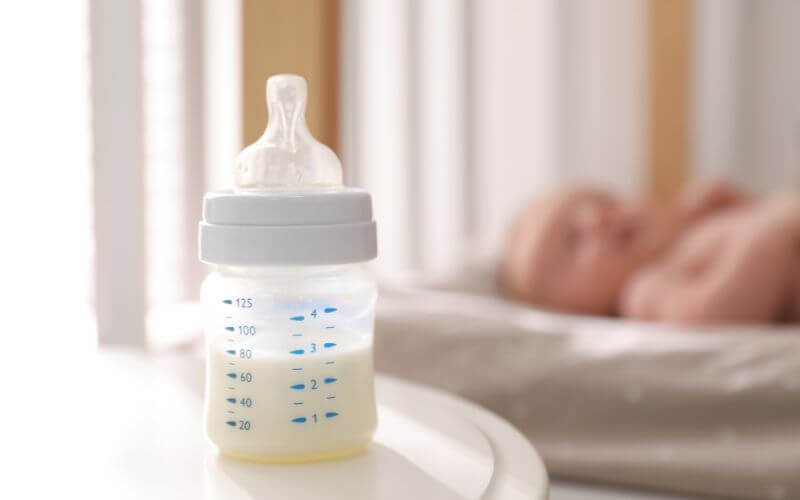
- Choose the Right Bottle and Nipple: Select a bottle with a slow-flow nipple to better control the milk’s flow. This helps mimic the experience of breastfeeding and encourages your baby to suckle naturally.
- Position Your Baby Upright: Hold your baby in a semi-upright position to prevent milk from flowing too quickly. This position also reduces the chances of choking or swallowing air.
- Hold the Bottle Horizontally: Tilt the bottle just enough to fill the nipple with milk, keeping the rest of the bottle at a horizontal angle. This slows the flow and allows your baby to control how much milk they take in.
- Allow Pauses: Encourage your baby to take breaks during feeding by gently tipping the bottle downward to stop the milk flow. This gives them time to rest and signals when they’re ready for more.
- Watch for Hunger and Fullness Cues: Pay close attention to your baby’s signals. Rooting, sucking on their hands, or fussing may indicate hunger, while turning away or slowing down their sucking could mean they’re full.
- Take Your Time: Don’t rush feedings. Paced bottle-feeding is about creating a calm and patient experience, ensuring your baby feels secure and comfortable.
Common Challenges and Tips
While paced bottle-feeding has many benefits, it can come with challenges as you and your baby adapt. Here are some tips to overcome them:
- Difficulty Switching Between Breast and Bottle: If your baby struggles to transition, try using a bottle nipple that closely resembles a natural breast shape.
- Resistance to Slower Feeding: Some babies may initially resist the slower pace. Stay patient and consistent, offering plenty of reassurance during feedings.
- Spillage or Leaks: If you notice milk dripping from your baby’s mouth, ensure you’re not over-tilting the bottle or using a nipple with too fast a flow.
When to Seek Professional Advice
If you’re concerned about your baby’s feeding habits or notice issues like frequent vomiting, poor weight gain, or excessive fussiness, don’t hesitate to contact your paediatrician or a lactation consultant. They can provide personalised guidance to support your baby’s feeding journey.
Final Thoughts
Paced bottle-feeding is a gentle and effective method that empowers your baby to take control of their feeding while fostering a close bond with you. By adopting this approach, you’ll be setting your baby up for healthy eating habits and comfort during mealtimes.
Remember, every baby is different, and it’s okay to adjust your feeding method to suit your family’s needs. With patience and practice, paced bottle-feeding can become a cherished part of your parenting routine.
For more parenting tips and baby care advice, keep reading BabyCareMag.com and join our community of supportive parents!
Share This Story, Choose Your Platform!

Latest Post


Latest News To Your Inbox
Subscribe to hear about our latest blog posts, competitions and special offers.