
The First 6 Months of Formula Feeding
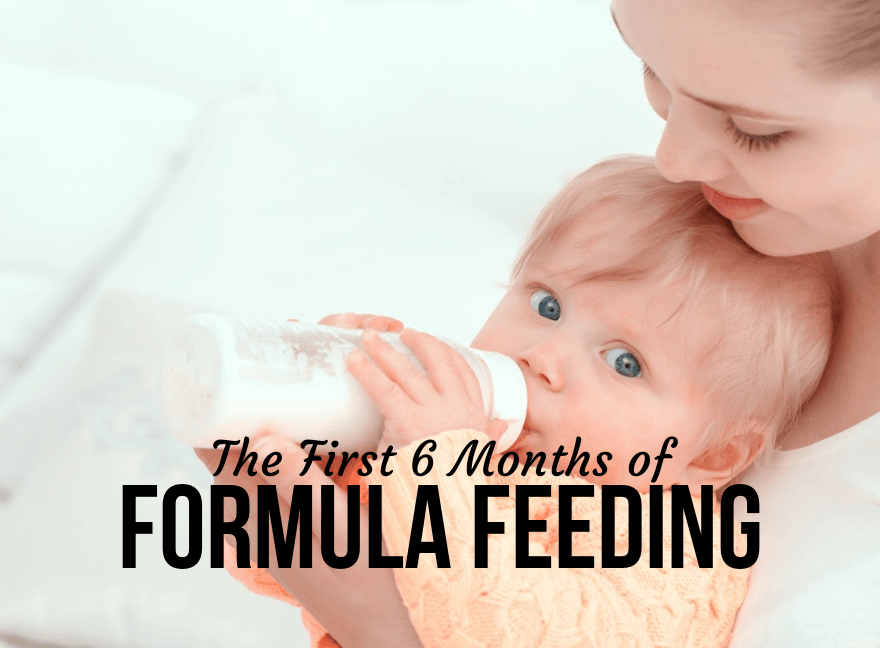
Formula feeding your baby for the first time can feel like learning a new language: how much, how often, what type, how warm. The good news is that most of it becomes second nature within a few weeks. Here’s a proper, practical guide to get you through the first six months, from bottle prep to growth spurts to the inevitable 4 month sleep wobble.
How much formula does your baby actually need?
In the first few days, newborns have tiny stomachs (about the size of a cherry at birth), so feeds are small. Most babies take around 30 to 60ml (1 to 2 ounces) per feed in the first day or two, gradually working up to 60 to 90ml (2 to 3 ounces) by the end of the first week.
A rule of thumb some parents find useful is roughly 2.5 ounces of formula per pound of body weight over a 24 hour period. So a 9lb baby might take around 22 to 24 ounces a day, spread across their feeds. This is only a rough guide, though, not a target to hit exactly. Some babies want more, some want less, and appetite can change day to day. Most healthy, full-term babies settle into taking somewhere between 90 and 150ml (3 to 5 ounces) per feed by two to four months, and this can rise to 180 to 240ml (6 to 8 ounces) by six months, usually with fewer feeds overall as their stomachs grow.
A better guide than any formula (pun intended) is watching your baby. Signs they’ve had enough include turning away from the bottle, slowing right down, or spitting the teat out and looking relaxed. Signs they’re still hungry include rooting, sucking on their fists, or fussing shortly after a feed ends. If your baby consistently seems unsatisfied or, on the flip side, is regularly bringing up large amounts of milk, mention it to your health visitor, midwife or GP so they can check things are on track.
A simple check that most feeds are going well: your baby should have around six or more wet nappies a day once feeding is established, and be gaining weight steadily at their check-ups.
How often should feeds happen?
In the early weeks, feed on demand, meaning whenever your baby shows hunger cues, roughly every 2 to 3 hours. That can add up to 8 to 12 feeds in 24 hours for a newborn, which is completely normal even if it feels relentless.
As your baby’s stomach capacity increases, the gaps naturally stretch out:
- 0 to 2 months: roughly every 2 to 3 hours, taking 60 to 90ml (2 to 3 ounces) per feed.
- 2 to 4 months: roughly every 3 to 4 hours, taking 120 to 180ml (4 to 6 ounces) per feed.
- 4 to 6 months: roughly every 4 to 5 hours, taking 180 to 240ml (6 to 8 ounces) per feed.
Try not to compare your baby’s schedule too closely with someone else’s. Babies are genuinely different in how much they need and how quickly they settle into a rhythm. If you’re worried your baby is feeding far more or far less than these ranges, or seems to want feeding constantly without settling, it’s worth a chat with your health visitor or paediatrician.
Choosing the right formula
Unless your baby has a diagnosed medical need, a standard first infant formula (usually whey-dominant, cow’s milk-based) is the right starting point, and it’s what most babies will stay on for the whole first year. A few points worth knowing:
- “Hungrier baby” or casein-based formulas are marketed for babies who seem to want feeding often, but frequent feeding on its own usually isn’t a reason to switch. Speak to your GP or health visitor before changing formula type.
- Hydrolysed or amino acid formulas are used for babies with a diagnosed cow’s milk protein allergy or intolerance. These are usually only recommended and, in many cases, prescribed after assessment by a doctor, not chosen off the shelf.
- Soya-based formulas are generally not recommended for babies under six months, and some guidelines advise caution beyond that too, due to their natural plant oestrogen content. Check with your doctor before using one.
- Goat’s milk formula is not suitable for babies with a cow’s milk protein allergy, despite how it’s sometimes marketed. The proteins are similar enough to cause the same reaction.
- Follow-on formula (often labelled “stage 2”) isn’t necessary before six months, and there’s no evidence it’s better than a first infant formula for younger babies.
All standard infant formulas sold legally have to meet strict nutritional regulations, so a well-known first infant formula from one brand is nutritionally very similar to another, even if the smell, taste or texture differs slightly. If your baby is happy and thriving on a particular formula, there’s usually no reason to switch just because a different brand is on offer. Always check with your baby’s doctor before changing formula type, especially if you suspect an allergy or intolerance.
Preparing and sterilising bottles safely
Before sterilising anything, wash bottles, teats and any pump parts thoroughly in hot, soapy water, using a dedicated bottle brush to get into corners, then rinse well. Sterilising doesn’t work properly on equipment that still has milk residue on it.
You can sterilise using:
- Boiling in a pan of water for at least 5 to 10 minutes, making sure everything stays fully submerged and there are no trapped air bubbles.
- An electric steam steriliser, following the manufacturer’s timings.
- A cold water sterilising solution or tablets, with equipment fully submerged for the recommended time.
In the UK, health guidance generally recommends sterilising all feeding equipment until your baby’s first birthday. In some other countries, guidance is a little more relaxed after the first couple of months if your water supply is safe and equipment is washed properly, but sterilising remains especially important for newborns, premature babies, or babies with a weakened immune system. If you’re unsure, ask your health visitor or GP what’s recommended where you live. Older, scratched or discoloured plastic bottles are worth replacing rather than repeatedly boiling, as heat can degrade the plastic over time.
If you’re using powdered formula, one safety detail that’s easy to miss: guidance from the NHS and World Health Organization recommends mixing powdered formula with water that has been boiled and then cooled to no less than 70°C (not room temperature water straight from a cooled kettle sitting for hours). This temperature helps kill any bacteria, such as Cronobacter, that can occasionally be present in powdered formula. Once mixed, cool the bottle quickly under a cold running tap before feeding, and always check the temperature on the inside of your wrist.
Never warm a bottle in the microwave. It heats unevenly and can create hot pockets that scald your baby’s mouth even if the outside feels fine. Stand the bottle in a jug or bowl of warm water, or use a bottle warmer, then swirl (don’t shake vigorously, which causes air bubbles) and test before offering it.
Once a feed has started, use it within about an hour and then discard any leftover formula rather than saving it for later. Bacteria multiply quickly in warm milk once your baby’s saliva has been in the bottle.
Mealtime as bonding time
Bottle feeding gives you just as much chance to bond as breastfeeding does, it just looks a little different. A few things that help:
- Hold your baby close and make eye contact. They’re learning your face and your expressions during these feeds.
- Try paced bottle feeding. Hold the bottle fairly horizontal rather than fully tipped up, and let your baby control the pace, pausing occasionally. This mimics breastfeeding rhythm, helps prevent overfeeding, and can reduce gulping and wind.
- Swap sides occasionally, just as you would breastfeeding, so your baby gets visual stimulation from both directions.
- Keep the room reasonably calm for at least some feeds, especially early on, so your baby isn’t overstimulated while learning to feed well.
Growth spurts and other bumps in the routine
Feeding patterns rarely stay perfectly steady for six months straight. Growth spurts are commonly noticed around two to three weeks, six weeks, and three months, though the exact timing varies a lot between babies. During a spurt, your baby may want feeding more often for a few days. This is normal and usually settles back down within a week or so, and it isn’t a sign your milk supply of formula needs adjusting, just that your baby is asking for a bit more fuel while they grow.
Teething can also throw appetite off for a few days, sometimes making babies less interested in feeding because their gums are sore, or wanting more comfort sucking. Chilled (not frozen) teething rings and plenty of cuddles usually help.
Around four to six months, many parents start thinking about solids. Current UK guidance from the NHS recommends waiting until around six months, when your baby can sit with support, has good head control, and can coordinate looking, reaching and putting things in their mouth. Guidance in some other countries allows starting a little earlier, from four months, depending on individual readiness. Either way, solids in these early stages are additional to formula, not a replacement. Formula (or breast milk) should remain your baby’s main source of nutrition up to their first birthday. If you’re unsure when or how to start, your health visitor or GP can talk you through it.
Common feeding-related tummy troubles
Some wind, hiccups and the occasional spit-up are completely normal parts of formula feeding. A few practical things that genuinely help:
- Burp midway through and after feeds, holding your baby upright against your shoulder or sitting on your lap, supporting their chin, and gently patting or rubbing their back.
- Check the teat flow. A teat that’s too fast can make your baby gulp and swallow excess air, worsening wind and reflux.
- Keep your baby upright for 15 to 20 minutes after feeds rather than laying them flat straight away, which can help with both wind and reflux-type spit-up.
- Try paced feeding (mentioned above) if your baby seems to gulp or take in a lot of air.
Occasional spit-up after feeds is usually just reflux and tends to improve with age as the muscle at the top of the stomach matures. Contact your doctor, however, if your baby is projectile vomiting, refusing feeds, showing poor weight gain, arching their back in apparent pain during or after feeds, or if you notice blood in vomit or stools. These can be signs of something that needs proper assessment, and it’s always worth getting checked rather than guessing.
Milestones along the way
While feeding takes up a lot of headspace in these early months, plenty else is happening too. Roughly speaking:
- Around 2 months, neck muscles strengthen and your baby can start lifting their head during tummy time.
- Around 2 to 3 months, social smiles usually appear, real ones, aimed right at you.
- Between 4 and 6 months, many babies start rolling, first from tummy to back, then the other way round.
Every baby hits these at their own pace, and a small variation either way is rarely something to worry about. Your health visitor will check on development at routine appointments.
Sleep in the first six months
Newborns sleep a huge amount overall, often 14 to 17 hours a day, but in short stretches broken up by frequent feeds, since their tiny stomachs simply can’t hold enough to go long periods without eating. Waking every 2 to 3 hours through the night in the early weeks is completely normal, even though it’s exhausting to live through.
Around four months, many babies go through a noticeable sleep regression. This is linked to their sleep cycles maturing and becoming more like an adult’s, with more defined light and deep sleep stages, which can mean more waking rather than less for a while. It usually passes within a few weeks as your baby adjusts. Keeping feeds and bedtime routines fairly consistent through this stretch tends to help more than trying to overhaul everything at once.
Trust yourself
The first six months of formula feeding involve a fair bit of trial and error: finding the right formula, working out your baby’s rhythm, weathering growth spurts and the odd rough night. Numbers and guidelines are useful starting points, but your own observations of your baby, how content they seem, how they’re sleeping, how they’re growing, will usually tell you more than any chart. If something feels off, or you’re simply not sure, your health visitor, midwife or GP would rather hear from you than have you guess.
Share This Story, Choose Your Platform!



Latest Post


Latest News To Your Inbox
Subscribe to hear about our latest blog posts, competitions and special offers.