
Are Baby Bottles Safe?
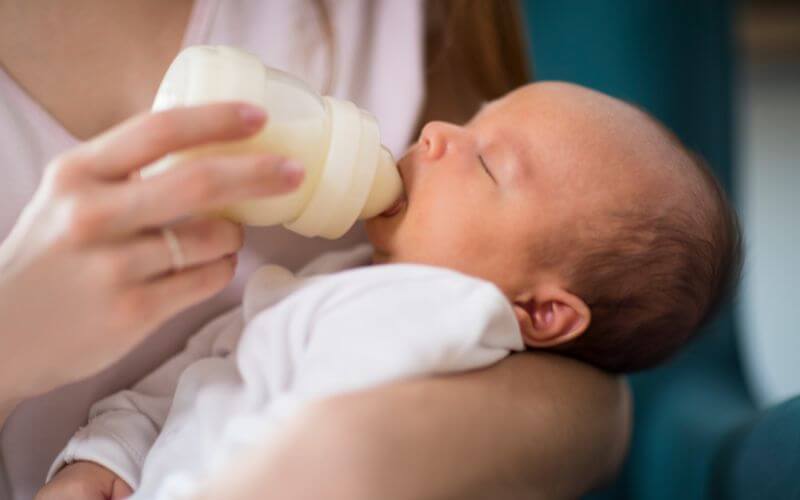
Hello, wonderful parents and caregivers! If you’re reading this, you’re likely navigating the world of baby care and considering what’s best for your precious little one. One of the most important aspects of baby care is feeding, and baby bottles play a significant role in this journey. You want to ensure that the bottles you choose are not just convenient but also safe and reliable. In this comprehensive guide, we’ll dive deep into the world of baby bottles, exploring safety concerns, materials, cleaning and sterilization, and tips for selecting the best bottles for your baby. It’s time to put your mind at ease and make informed choices for your baby’s feeding journey.
Introduction: The Safety of Baby Bottles
Let’s start by addressing the most pressing question: Are baby bottles safe? The short answer is yes, but there’s more to the story. We’ll explore the concerns and nuances surrounding baby bottle safety.
Part 1: Common Safety Concerns
1. BPA and Other Harmful Chemicals
Bisphenol A (BPA) was once a common chemical used in the production of many plastic baby bottles. However, research raised concerns about its potential health risks, especially for infants and young children. As a result, many countries banned the use of BPA in baby bottles.
But BPA isn’t the only chemical to watch out for:
- Phthalates: These are chemicals found in some plastics and have been associated with developmental and hormonal issues. While not as well-known as BPA, they’re still a concern.
2. Nipple Material
The material of the nipple on baby bottles can also be a safety consideration. Nipples are typically made from either latex or silicone. It’s essential to choose the right material for your baby, considering potential allergies:
-
Latex Nipples: While less common today, some babies may have latex allergies, so it’s important to be aware of this possibility.
-
Silicone Nipples: Silicone is a hypoallergenic material and is generally considered safe for all babies.
3. Bottle Material
The material of the bottle itself is another crucial safety consideration:
-
Glass Bottles: Glass bottles are considered safe because they don’t contain chemicals that can leach into the milk or formula. However, they are heavier and can break if dropped.
-
Plastic Bottles: Modern plastic bottles are typically labeled as “BPA-free.” This means they do not contain BPA, addressing one major safety concern. These bottles are lightweight and durable.
4. Proper Sterilization and Cleaning
Ensuring the cleanliness and hygiene of baby bottles is paramount:
-
Sterilization: Properly sterilizing bottles and nipples is essential to eliminate harmful bacteria. Common sterilization methods include boiling, using microwave sterilizers, and electric steam sterilizers.
-
Cleaning: Regular cleaning with warm, soapy water is essential to prevent the buildup of bacteria, milk residue, or formula.
Part 2: Tips for Choosing Safe Baby Bottles
Now that we’ve addressed the concerns, let’s explore practical tips for choosing safe baby bottles:
1. Check for BPA-Free Labels
When selecting plastic baby bottles, always look for those labeled as “BPA-free.” This label indicates that the bottle does not contain BPA, eliminating one significant safety worry.
2. Opt for High-Quality Materials
- Choose Glass or Safe Plastics: If you’re concerned about chemicals leaching into your baby’s milk or formula, consider using glass bottles or plastic bottles labeled as “BPA-free.”
3. Age-Appropriate Nipples
Nipples come in various flow rates, typically designed for specific age groups. Choosing the right nipple flow rate for your baby’s age and developmental stage is crucial:
- Newborn Flow: Designed for infants up to three months.
- Slow Flow: Suitable for babies aged three to six months.
- Medium Flow: Ideal for babies aged six to nine months.
- Fast Flow: Designed for older babies who can handle a faster milk flow.
Choosing the appropriate flow rate ensures your baby can feed comfortably without choking or overfeeding.
4. Easy-to-Clean Design
Cleaning baby bottles can be a time-consuming task, so it’s wise to choose bottles with a straightforward design that’s easy to disassemble and clean thoroughly. This includes bottles with wide necks and minimal small parts.
5. Sterilization Compatibility
Consider how you plan to sterilize your baby bottles and ensure they are compatible with your chosen sterilization method. This compatibility ensures that bottles can be effectively sterilized, providing an extra layer of safety for your baby.
Part 3: The Best Baby Bottles on the Market
Now that we’ve covered safety concerns and tips, let’s take a look at some of the top baby bottles on the market that prioritize safety:
1. Philips Avent Natural Baby Bottle
- Material: Available in both BPA-free plastic and glass options.
- Features: Features a wide nipple shape for a natural latch, easy cleaning, and an anti-colic design to reduce gas and fussiness.
2. Comotomo Baby Bottle
- Material: Made of soft, squeezable, and safe silicone.
- Features: Designed to mimic breastfeeding with a wide, skin-like nipple. The bottle is also easy to clean and has a thoughtful dual-venting system to prevent colic.
3. Dr. Brown’s Natural Flow Baby Bottle
- Material: Made of BPA-free plastic.
- Features: Equipped with a patented internal vent system to reduce colic, spit-up, burping, and gas. The bottle is also easy to clean and assemble.
Conclusion: Prioritizing Safety in Baby Bottle Choices
In conclusion, baby bottles are generally safe for your little one. However, being an informed parent means being aware of potential concerns and making choices that prioritize your baby’s safety and well-being. Look for bottles labeled as “BPA-free,” choose high-quality materials, select age-appropriate nipples, opt for bottles with easy-to-clean designs, and ensure they are compatible with your chosen sterilization method. With these considerations in mind, you can confidently provide your baby with a safe and nurturing feeding experience, allowing you both to enjoy this special bonding time.
Share This Story, Choose Your Platform!
Latest Post


Latest News To Your Inbox
Subscribe to hear about our latest blog posts, competitions and special offers.