
The Coolest Toddler Scooter on the Block
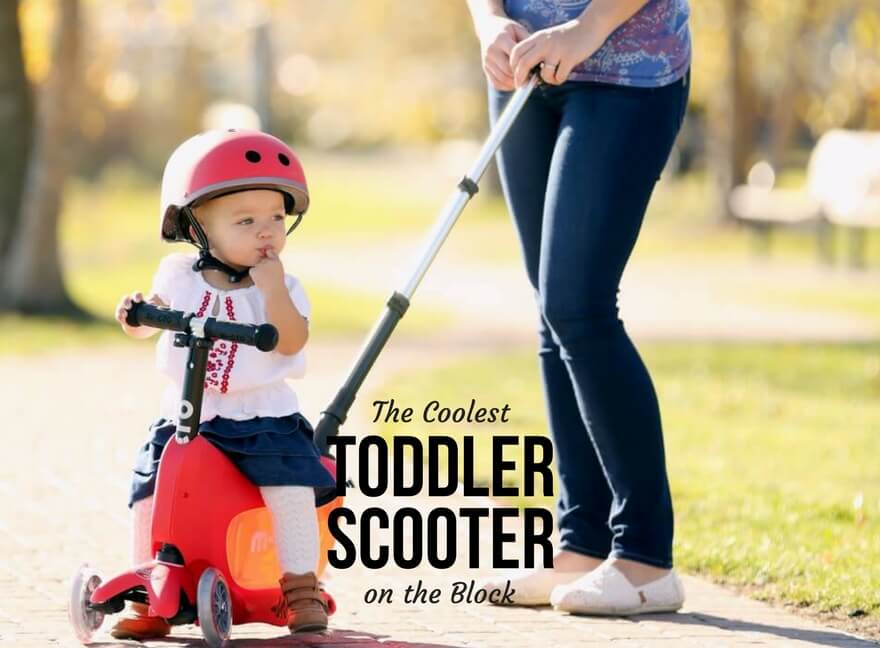
The first time our daughter tried a scooter, she wasn’t riding one herself. She was about eighteen months old, freshly confident on her own two feet, and utterly fixated on the older kids whizzing round the cul-de-sac on theirs. She’d toddle after them, grabbing at handlebars, trying to copy what she saw. It took a few more months of watching, wobbling, and borrowing other children’s scooters before she could properly push off and ride one herself. By the time she turned two, she was scooting round the kitchen island like she owned the place.
Why toddlers get so obsessed with scooters
There’s something about a scooter that toddlers find genuinely thrilling. It’s speed, it’s independence, and it’s a skill that feels grown up because bigger kids do it too. For a toddler who has only just found their feet, a scooter offers a new kind of movement, and that novelty is a big part of the appeal.
Most physiotherapists and health visitors will tell you that toddlers develop the balance and coordination needed for scooting somewhere between eighteen months and three years, though every child is different. Some children take to it almost instantly, others need a good few months of wobbly practice first. If you’re not sure whether your toddler is ready, or you have any concerns about their balance or gross motor development, it’s worth a quick chat with your health visitor or GP rather than guessing.
What we did before buying one
We didn’t rush out and buy a scooter the moment she showed interest. For a few months she just used whatever was lying around at the park or borrowed from friends, which turned out to be a good way to work out what she actually liked. She clearly preferred something low to the ground with three wheels rather than a wobbly two-wheeler, and she liked being able to sit or ride rather than always standing.
By around fifteen to eighteen months old, once it was obvious this wasn’t a passing phase, we bought her a Micro Mini2Go Deluxe. If you’re at the same stage, letting your toddler try a friend’s scooter or a shop demo model first is genuinely useful. It tells you a lot more than reading spec sheets online.
Scooter life at home and out and about
Once she had her own, it barely left her side. She wheeled it round the house, rode it through the car park to the car (much to the amusement of other parents), and, less delightfully, once tried to take it up the stairs. That last one earned a very firm “no” and a permanent rule in our house: scooters stay downstairs, full stop. If you have stairs at home, it’s worth setting that boundary early, because toddlers will absolutely try it given half a chance.
Why the Micro Mini2Go Deluxe worked for us
We looked at quite a few options before settling on this one, and there were a handful of features that made the decision easy.
Three wheels, not two
At her age, balance is still very much a work in progress, so a three-wheeled design was the obvious choice. The wider wheelbase at the front makes it much harder to tip over than a two-wheeled scooter, which most toddlers simply aren’t ready for until closer to three or four years old.
Wheels that don’t mark the floor
The wheels are made from a hard-wearing polyurethane rather than plastic, so they grip well and don’t leave the black scuff marks on floors that cheaper plastic wheels sometimes do. That mattered to us because so much of her early scootering happened indoors.
One scooter, several stages
This is the feature that really sold us. It starts out as a low ride-on scooter for younger toddlers, then converts to a stand-up scooter with an adjustable T-bar handle as they get taller and steadier. It meant we weren’t going to be buying a new scooter every six months as she grew, which felt like decent value for money even though it isn’t the cheapest option on the market.
Steering by leaning
Instead of turning a handlebar like a bike, this scooter uses a lean-to-steer mechanism, so she controls direction by shifting her weight. It sounds fiddly but toddlers pick it up surprisingly quickly, and it does a lot of the work of teaching balance and body awareness without them realising they’re learning anything.
A push bar for the tired days
There’s an optional push handle that clips on and turns the scooter into something closer to a stroller, which is a genuine lifesaver on longer walks or uphill stretches when little legs (or patience) give out.
Storage under the seat
The ride-on version has a small drawer under the seat for stashing a snack or a favourite toy. It’s a small thing, but it’s the sort of detail that makes a toddler feel like the scooter is properly theirs.
Things worth checking before you buy any toddler scooter
Whether or not you go for this exact model, a few practical points are worth checking on any scooter before you buy:
- Age and weight range: Check the manufacturer’s recommended age and maximum weight. Buying too far ahead of your child’s current stage often just means it sits in the shed for a year.
- Adjustable handle height: Look for a handlebar that adjusts as your child grows, so you’re not replacing the whole scooter in a few months.
- Wheel material: Rubber or polyurethane wheels tend to grip better and last longer than hard plastic ones, and they’re gentler on indoor floors.
- Stability features: A wider three-wheel base, low centre of gravity, and a seat option all help younger, less steady riders.
- Braking: Many toddler scooters rely on the child dragging a foot to slow down rather than a proper brake, so factor that into where you let them ride.
Keeping scootering safe
A scooter is still a wheeled vehicle, and toddlers have no real sense of danger yet, so a bit of caution goes a long way. A few things we’ve stuck to:
- A properly fitted helmet, every single time, even for a five minute ride round the drive. It’s the one non negotiable rule in our house.
- Scooting only where you can supervise closely, ideally somewhere flat, away from roads, driveways, and stairs.
- Keeping it off tiled or wooden floors when speed builds up too much, simply because toddlers fall, and they fall hard when they’re going fast.
- Checking the scooter regularly for loose bolts or worn wheels, especially once it’s been used outdoors on gravel or rough pavement.
If you’re ever unsure whether a particular scooter, ramp, or riding surface is appropriate for your child’s age and skill level, it’s always worth checking with the manufacturer’s guidelines or asking your health visitor for general advice on toddler safety and motor development.
Was it worth it?
For us, yes, without question. It’s grown with her rather than being outgrown in a season, it’s held up to months of daily use both indoors and out, and most importantly, she genuinely loves it. If your toddler is showing the same scooter obsession ours did, take the time to let them try a few different types before you commit, think about how much growing room the model gives you, and don’t skip the helmet, even for the shortest of rides.
Happy scootering to all the little adventurers out there.
If you enjoyed this article, read our other guides to great baby and toddler products:
The 3 Absolute Best and Safest Baby Jumpers
The Most Popular Baby Floor Mats for Crawling
Share This Story, Choose Your Platform!


Latest Post

Latest News To Your Inbox
Subscribe to hear about our latest blog posts, competitions and special offers.