
Everything you need to know about Baby Eating Milestones!
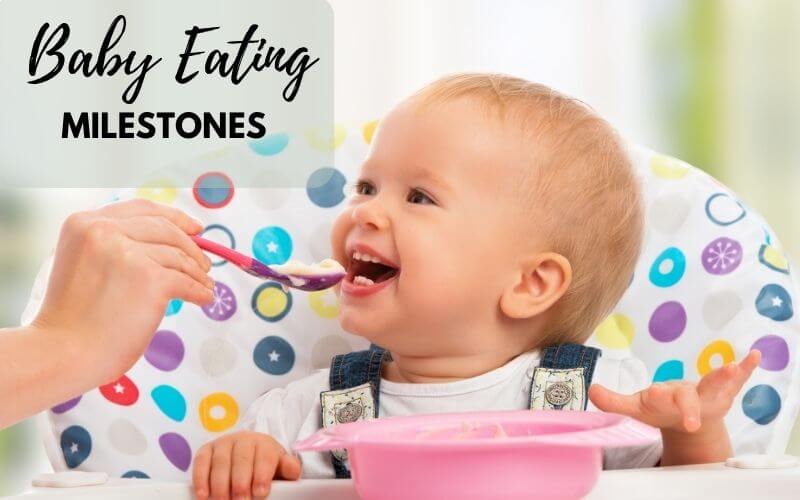
Watching your baby go from milky feeds to happily shovelling mashed potato into their own hair is one of those parenting journeys that’s equal parts joyful and messy. Baby eating milestones don’t follow a strict timetable (every baby gets there in their own way and on their own schedule), but there are some general patterns most babies follow, along with a few safety points worth knowing before you get started. Here’s a proper, practical guide to what usually happens and when, plus what actually helps at each stage.
Starting Solids: Signs, Timing and First Foods
How Do You Know Your Baby Is Ready?
Age is a rough guide, but readiness signs matter more. Most health authorities, including the NHS, recommend starting solids at around 6 months, not before 4 months. Look for your baby being able to sit upright with good head control, showing genuine interest in food (leaning forward, watching you eat, opening their mouth), and losing the tongue-thrust reflex that used to push spoons and food straight back out. Reaching for your dinner isn’t always a reliable sign on its own, babies do that from a young age out of curiosity rather than readiness.
If your baby was born prematurely, ask your health visitor or GP for guidance, as readiness is usually judged from their corrected age rather than their birth date.
First Foods and Why Iron Matters
From around 6 months, breast milk or formula alone stops providing enough iron for most babies, so first foods are a good opportunity to start topping this up. Iron-rich options include fortified baby cereal, well-cooked meat or lentils blended to a soft texture, and mashed egg. You don’t need to start with bland purees only. Whether you go down the traditional spoon-feeding route with purees, try baby-led weaning (offering soft, graspable pieces of food from the start), or mix the two, both approaches are considered suitable by most health professionals as long as food is prepared safely and the pace suits your baby.
Introducing Allergens Safely
Current guidance has shifted quite a bit over the years. Rather than delaying common allergens, it’s now generally recommended to introduce foods like peanut, egg, cow’s milk, wheat, and sesame from around 6 months, one at a time and a few days apart, so you can spot any reaction. Offer a small amount first and watch for signs like hives, swelling, vomiting or breathing difficulty. If your baby has eczema, a diagnosed food allergy, or a close family history of allergies, talk to your GP or health visitor before introducing allergens, as they may suggest doing this under medical supervision.
Honey should be avoided until after your baby’s first birthday because of a small risk of infant botulism.
Choking Safety Basics
Gagging is normal and looks scarier than it is, it’s your baby’s way of moving food forward in the mouth and is different from choking. To reduce choking risk, avoid whole grapes and cherry tomatoes (halve or quarter them), whole nuts, popcorn, hard raw vegetable chunks, and anything small and round or hard. Always stay within arm’s reach during meals and never leave a baby propped up alone with food. If you’re at all unsure, an infant first aid class is genuinely worth the couple of hours it takes.
Learning to Swallow and Explore Textures
From Reflex to Real Swallowing
In the early weeks of solids, a lot of what goes in comes straight back out again. That’s completely normal. Somewhere around 6 to 8 months, most babies get better at moving food to the back of the mouth and swallowing it deliberately, rather than relying on reflexes. Progress here can be slow and uneven, so try not to compare too much with other babies the same age.
Moving Through Textures
Around 8 to 10 months, many babies are ready to move on from smooth purees towards mashed, minced, and finely chopped foods, and eventually soft finger foods like ripe banana, soft-cooked carrot sticks, or toast fingers. Introducing lumps and textures earlier rather than much later can actually help babies accept different textures more easily further down the line, so it’s worth not staying on purees for too long if your baby seems ready to move on.
Self-Feeding and Fine Motor Skills
The Messy Business of Self-Feeding
Somewhere between 8 and 12 months, most babies start wanting to get their own hands on food, even if that means more ends up on the floor, the tray, and in their hair than in their mouth. This is a genuinely useful stage developmentally, even when it feels chaotic. Letting your baby practise, with a good bib and a splash mat under the highchair, helps build coordination and confidence around food.
The Pincer Grasp
Between roughly 9 and 12 months, babies typically refine the pincer grasp, using thumb and forefinger together to pick up small pieces of food like peas or bits of pasta. This is a real fine motor milestone and tends to make self-feeding noticeably less messy, though “less messy” is relative at this age.
Cups, Spoons and Forks
From around 6 months, it’s worth offering sips of water from an open cup or a free-flow cup at meals, this helps develop the coordination needed for drinking without a bottle later on. Most babies start attempting to use a spoon themselves between 12 and 18 months, with wildly varying success. Loading the spoon for them and letting them get it (or most of it) to their mouth is a good halfway step. Forks usually follow once spoon control is a bit more reliable.
Toddler Eating: Independence, Fussiness and Growth Spurts
The “I Do It Myself” Stage
Around 18 to 24 months, many toddlers become far more opinionated about food. Sudden refusals, strong preferences, and foods they loved last week being firmly rejected this week are all completely normal parts of toddlers asserting independence, not a sign you’re doing anything wrong. Offering choices within limits (for example, “peas or carrots?” rather than “what do you want?”) can help hand over some control without mealtimes becoming a battle.
Why Appetite Comes and Goes
Toddlers grow in bursts rather than steadily, and their appetite tends to follow suit. Around 2 to 3 years old, it’s common for a toddler to eat well for several days and then seem to live on almost nothing for a day or two. As long as your child is generally growing along their own curve and has good energy levels, this pattern isn’t usually a cause for concern. If you’re worried about weight gain, growth, or persistent very restricted eating, it’s worth checking in with your health visitor or GP rather than guessing.
Building a Healthy Relationship With Food
Offering Without Forcing
A useful way to think about mealtimes is that your job is to decide what, when and where food is offered, and your child’s job is to decide whether and how much they eat. Repeated, pressure-free exposure to a food (sometimes ten or more tries) makes a child far more likely to eventually accept it than one big push to “just try it.” Avoid bribing, forcing, or turning meals into short-order cooking with endless alternatives, it tends to backfire over time.
You’re the Example
Toddlers watch what you eat far more than they listen to what you say about eating. Sitting down together for meals when you can, eating a reasonable variety yourself, and keeping the mood at the table relaxed rather than tense all quietly shape your child’s attitude to food over time.
A Few Practical Reminders
- Every baby reaches these stages at their own pace, these are general patterns, not deadlines.
- If you have any concerns about allergies, choking, growth, or feeding difficulties, speak to your GP, health visitor, or paediatrician rather than relying on guides like this one alone.
- Messy, slow, or two steps forward and one step back is normal. It’s not a sign of failure on your part or your baby’s.
The purees on the ceiling, the spaghetti in the hair, the toddler who eats three broccoli florets one day and refuses all vegetables the next, it’s all part of the same long, slightly chaotic process of your child learning to eat and enjoy food. Keep a camera handy, keep your expectations realistic, and know that most of this sorts itself out with time, patience, and a lot of wet wipes.
Share This Story, Choose Your Platform!



Latest Post


Latest News To Your Inbox
Subscribe to hear about our latest blog posts, competitions and special offers.