
Healthy Food for Babies Under 1 Year
Feeding a baby has turned into a surprisingly big industry. Squishy pouches, food-grinding gadgets, endless “expert” opinions online… it can all feel a lot more complicated than it needs to be. The truth is, healthy food for babies under 1 doesn’t need special equipment or expensive packets. It needs a few simple principles, a bit of patience, and some good information.
If your baby is showing signs of being ready, and your GP or health visitor has given you the go-ahead, starting solids is a genuinely exciting stage. It’s tempting to reach for sweet fruit purees first because babies tend to love them instantly. But starting with vegetables and savoury flavours helps build a wider range of tastes early on, which can make for a less fussy eater later. Fruit will still taste wonderful once they’re used to squash, lentils and greens, and you’ll have a much easier time avoiding sugary snacks once they’re toddlers.
When should you actually start solids?
Most current guidance in the UK and from the World Health Organisation points to around 6 months as the right time to introduce solid food, alongside continued breastmilk or formula. It’s generally recommended not to start before around 17 weeks (roughly 4 months), because a younger baby’s gut and kidneys aren’t ready for anything other than milk. Some paediatricians in the US allow a little more flexibility from 4 months if a baby shows clear signs of readiness, but if you’re unsure, it’s worth asking your health visitor, midwife or GP rather than going by a strict date on the calendar.
Readiness looks less like an age and more like a set of behaviours: your baby can sit up with support and hold their head steady, they’ve lost the reflex that pushes food straight back out of their mouth, and they’re showing real interest in what’s on your plate, maybe even trying to grab it. Some babies are ready right at 6 months, others take a few weeks longer, and that’s completely normal.
Your baby doesn’t strictly need food before their first birthday to thrive. Breastmilk or formula still provides the bulk of their nutrition and calories for most of this year. You may have heard “food before one is just for fun”, and there’s some truth in that, although from around 6 months, breastfed babies especially do need extra iron and other nutrients that milk alone doesn’t fully provide, so food starts to matter more than the phrase suggests. It’s also a genuinely useful window for practising chewing, moving food around the mouth, and getting comfortable with different textures.
Spoon-feeding, purees or baby-led weaning?
There’s no single “correct” way to start. Some parents prefer spoon-feeding smooth purees to begin with, gradually adding texture as their baby copes with it. Others go straight for baby-led weaning, offering soft, graspable pieces of food and letting baby feed themselves from the start. Plenty of families do a mix of both, which is perfectly fine too.
Whichever route you choose, try not to get stuck on purees for too long. Moving on to mashed and then soft lumpy textures, and introducing finger foods reasonably early, helps babies learn to chew properly and tends to make the transition to family meals smoother. If your baby gags on new textures, that’s usually a normal safety reflex rather than choking, though it’s worth learning the difference between gagging and choking before you start, so you feel confident rather than anxious at mealtimes.
Good first foods for babies under 1
Vegetables are easiest softened by steaming, boiling or roasting until they mash easily between your fingers. Cooking them in a simple homemade stock can add a little extra flavour and nutrients, though plain water works fine too. Fruits can be stewed and mashed with a small amount of full-fat plain yoghurt, pastured butter or a mild oil to help slow down sugar absorption and add some healthy fat, which babies need plenty of for brain development.
Blueberries
A genuinely nutrient-dense little fruit, blueberries provide vitamin C and plant compounds that support overall health. Mash or quarter them for younger babies, since whole blueberries can be a choking risk.
Plain, full-fat yoghurt
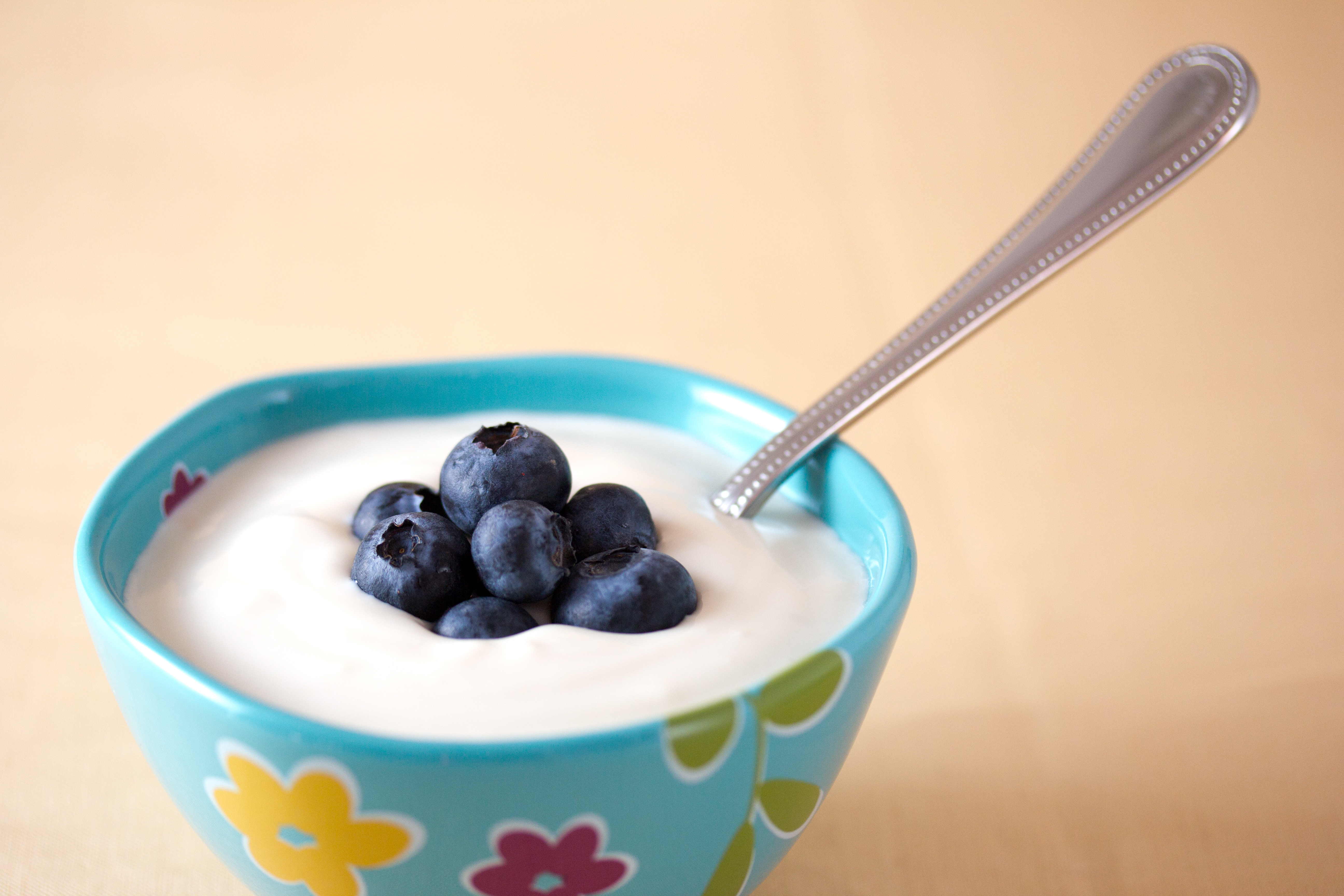
Plain yoghurt is a useful source of calcium, protein and, in some cases, vitamin D and gut-friendly bacteria. Choose full-fat and unsweetened rather than low-fat or flavoured versions, since babies need the fat and don’t need the added sugar. If there’s a family history of dairy allergy, or you notice a reaction such as a rash, vomiting or unusual fussiness after dairy, mention it to your GP before continuing.
Squash
Butternut and other winter squashes are naturally sweet, easy to mash, and a good source of vitamin A. They’re a gentle, well-tolerated first vegetable for a lot of babies.
Lentils
Cheap, easy to cook, and packed with plant protein, iron and fibre. Stew them soft with vegetables, stir them into rice, or blend them into a simple soup. They’re one of the better plant-based iron sources for babies who aren’t eating meat yet.
Leafy greens
Spinach, kale, chard and collard greens all bring iron and folate to the table. They can occasionally cause gassiness in younger babies. If that happens, there’s no need to worry, just hold off for a few weeks and try again later.
Broccoli
Broccoli offers folate, iron and calcium, and cooked until soft it’s easy for babies to gum and mash. Like other cruciferous vegetables (cauliflower, cabbage, brussels sprouts), it can sometimes cause wind. Steam it well to soften both the texture and the effect on little tummies.
Avocado
Avocado gives babies healthy fats that support brain development, and it’s soft enough to serve mashed or in strips as a finger food from early on. A tiny pinch of extra flavour is fine occasionally, but there’s no need to add salt regularly.
Meat
Meat isn’t the first food most people picture for a baby, but it’s one of the best sources of iron and zinc available, and iron needs increase noticeably from around 6 months, particularly for breastfed babies. Cook it thoroughly, then puree, mince finely, or stew it soft with vegetables so it’s easy to manage and swallow safely.
Prunes
Stewed and mashed prunes are a reliable, gentle way to ease constipation, which is common when babies first start eating solid food and their digestive system adjusts.
Beets
Beetroot brings folate, potassium and a natural sweetness that a lot of babies take to quickly. Cook it until properly soft before serving, and don’t be alarmed if nappies look a bit pink afterwards, that’s completely normal and harmless.
Foods to avoid before 12 months
Raw honey
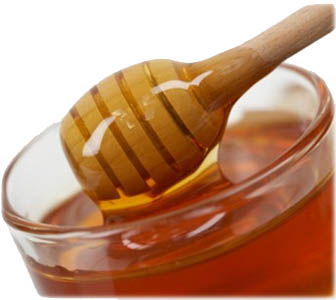
Honey can contain botulinum spores. An adult’s gut handles these without trouble, but a baby’s immature digestive system can’t, which puts them at risk of infant botulism. This includes honey cooked into foods, not just honey eaten on its own. After 12 months the risk drops away as their gut matures.
Fruit juice
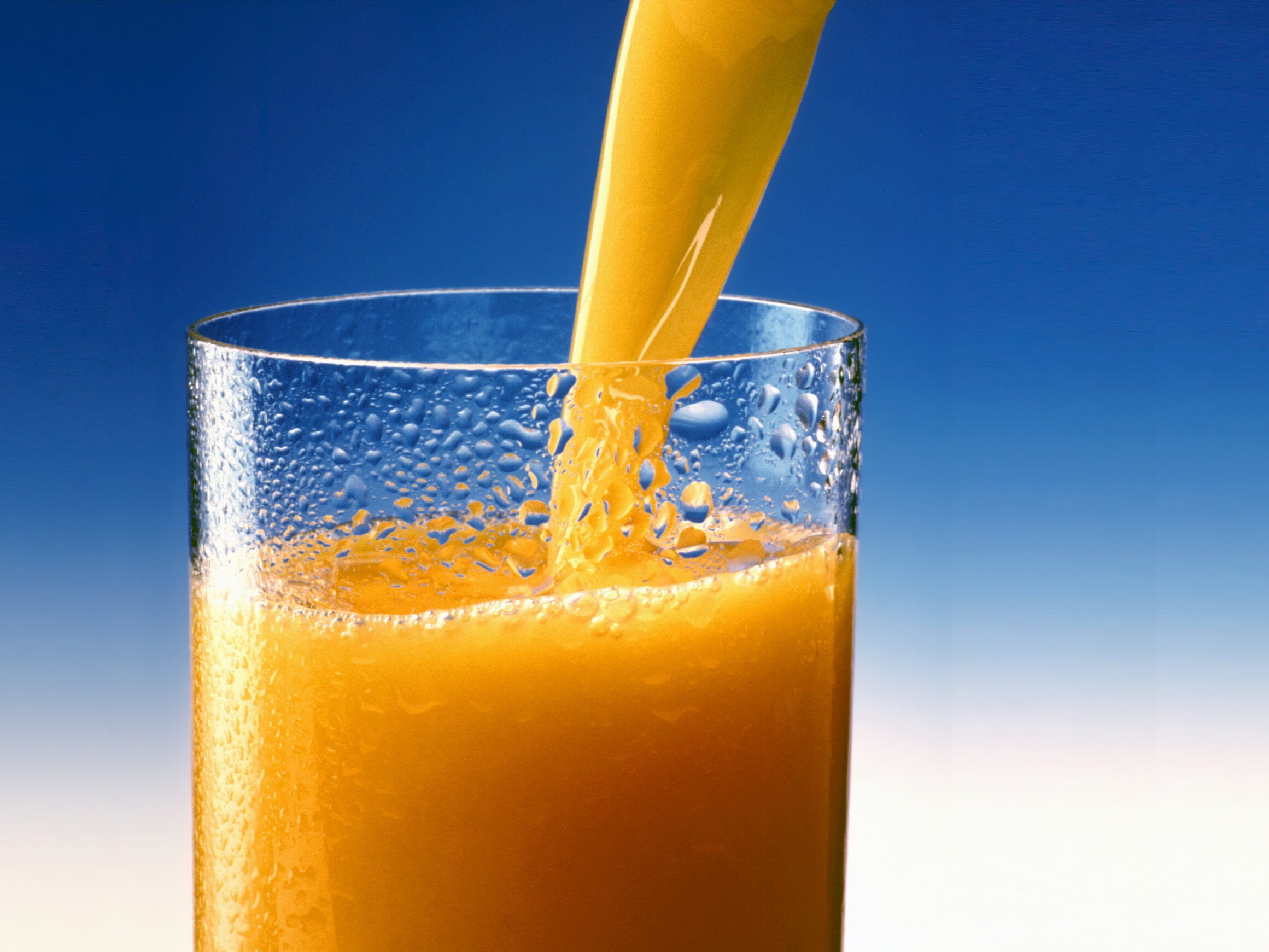
Whole fruit contains fibre that slows down how quickly the body absorbs natural sugars. Juice strips that fibre out, so you’re essentially left with sugar water. Current guidance is to avoid juice altogether before 12 months, and even after that, to keep it well diluted and limited if you do offer it.
Sweets and added sugar
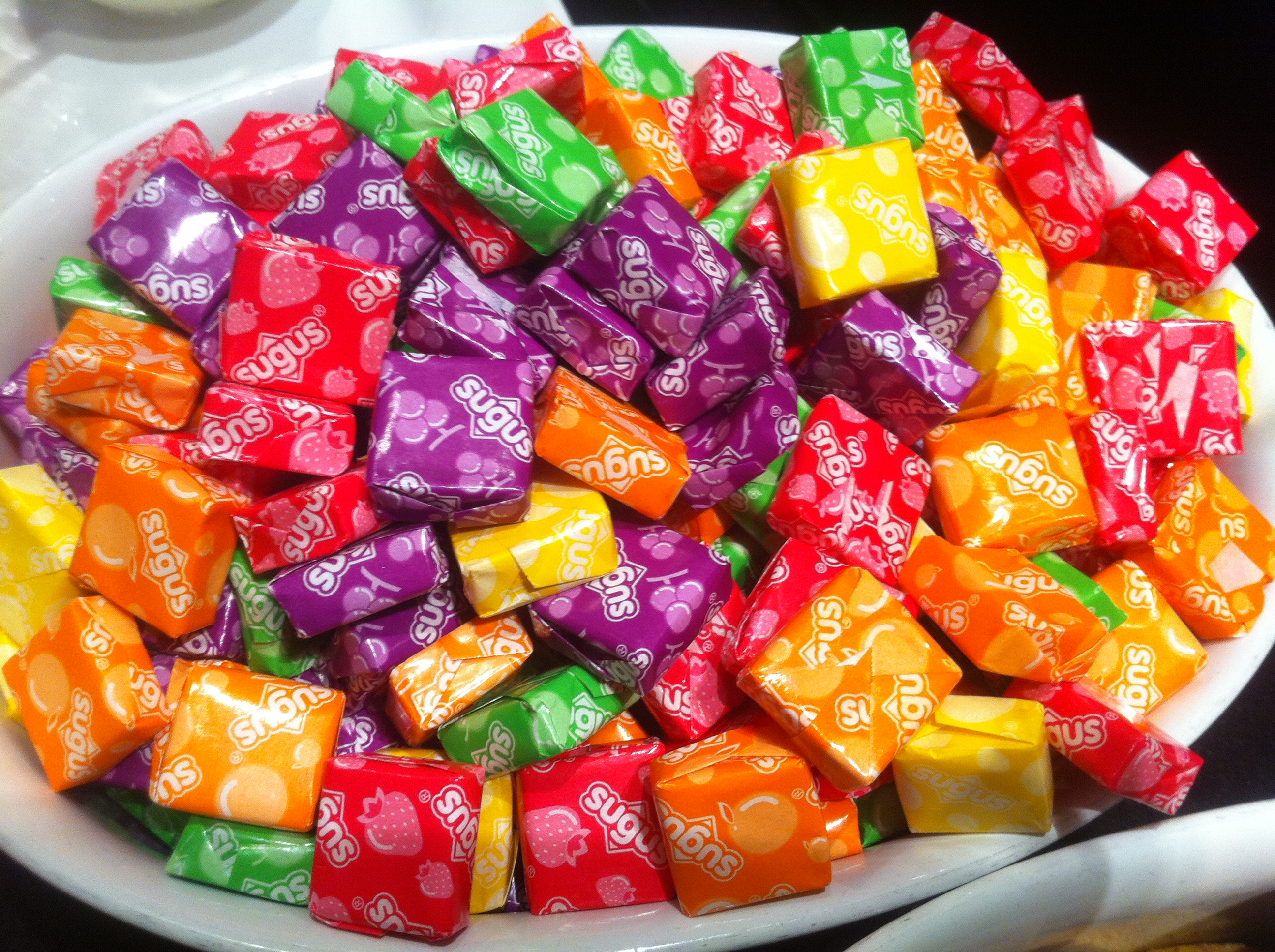
Babies simply don’t need sweets, chocolate or any food with added sugar. It offers empty calories that can displace the breastmilk, formula or nutrient-dense food they actually need at this stage, and it’s easy to accidentally build a sweet tooth early. Best to leave it out entirely for now.
Cow’s milk as a drink
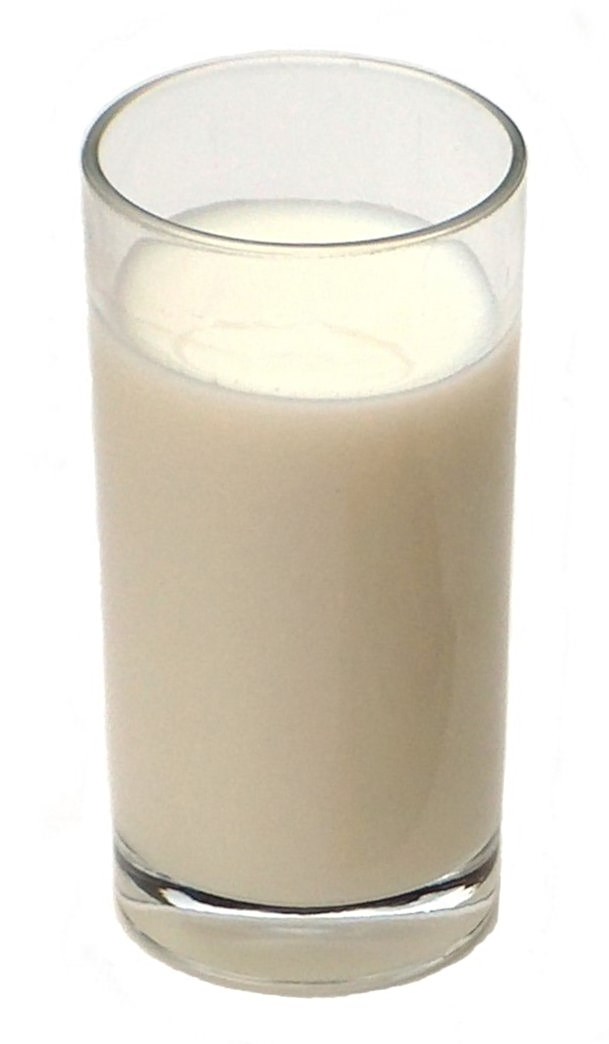
Cow’s milk isn’t recommended as a main drink before 12 months, mainly because it doesn’t contain enough iron and other nutrients for a growing baby, and it can be harder on their still-developing kidneys in larger amounts. This is separate from milk allergy or intolerance, which is a different issue and worth discussing with your GP if you notice symptoms like rashes, reflux or unusual fussiness. Small amounts of cow’s milk mixed into cooking, such as in porridge or mashed potato, are generally fine from around 6 months.
A note on grains and iron-fortified cereal
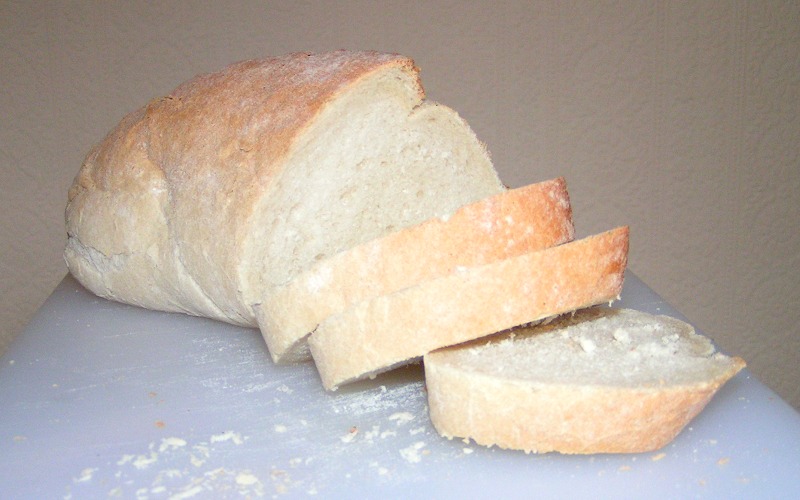
Refined white bread, crackers and similar heavily processed grains have had most of their nutrients stripped out, so they’re not doing your baby many favours nutritionally, and there’s no rush to introduce them. That said, iron-fortified baby cereals are actually recommended by many health bodies as a genuinely useful early food, particularly for breastfed babies whose iron stores start dropping around 6 months. Wholegrain porridge oats, soft rice, and small amounts of pasta are also fine well before 12 months. The idea that all grains should wait until age one isn’t accurate, it’s really about choosing whole, minimally processed grains over refined ones.
Added salt
Babies’ kidneys can’t process much sodium, so avoid adding salt to their food and go easy on salty ready-made foods like stock cubes, gravy or processed meats.
Foods that are a genuine choking risk
Some foods just aren’t worth the risk at this age, either because they don’t dissolve easily or because they’re the right shape and size to block a small airway. It’s worth keeping these off the menu until your baby is chewing confidently, usually once their molars come in:
- Whole nuts, and lumps of nut butter spread thickly
- Whole grapes, cherry tomatoes and blueberries (halve or quarter them instead)
- Raisins and other whole dried fruit
- Raw hard vegetables and fruit, such as uncooked carrot or apple
- Popcorn, hard sweets and marshmallows
- Whole peas and sweetcorn kernels for younger babies
- Chunks of hot dog, sausage or hard cheese
Once your baby is chewing well and has a good number of molars, most of these can be reintroduced in smaller, softer or better-prepared forms.
A few other safety points worth knowing
Unpasteurised foods
Unpasteurised milk, cheese and juice can carry bacteria that healthy adults shrug off but that can cause serious illness in babies and young children. Stick to pasteurised versions across the board.
Smoked and cured meats
Bacon, salami, ham and other processed meats are usually high in salt, nitrates and preservatives that babies simply don’t need at this age. There’s no harm in waiting until they’re older to introduce these.
High-mercury fish
Oily fish is genuinely good for a baby’s developing brain, but some f
Share This Story, Choose Your Platform!


Latest Post

Latest News To Your Inbox
Subscribe to hear about our latest blog posts, competitions and special offers.