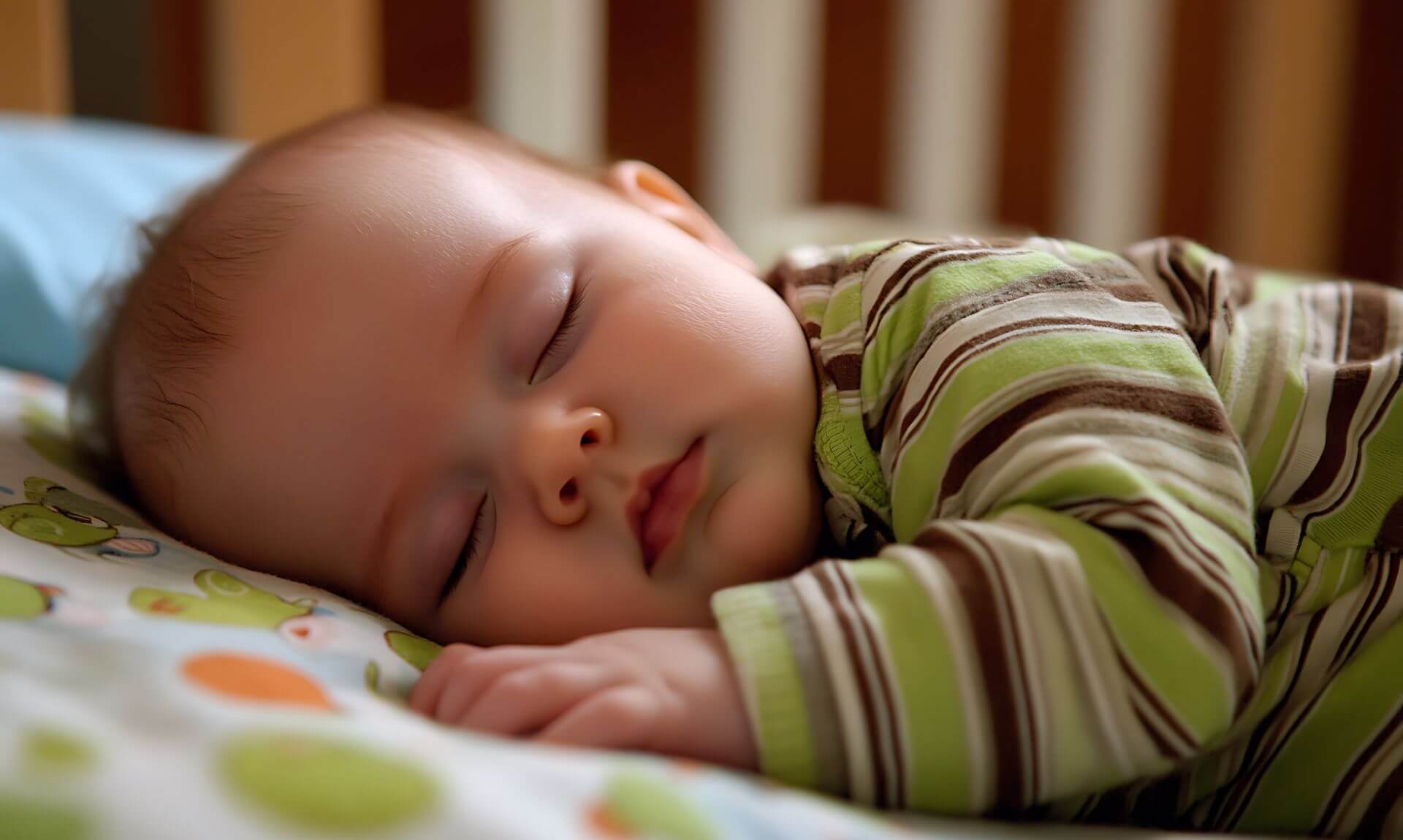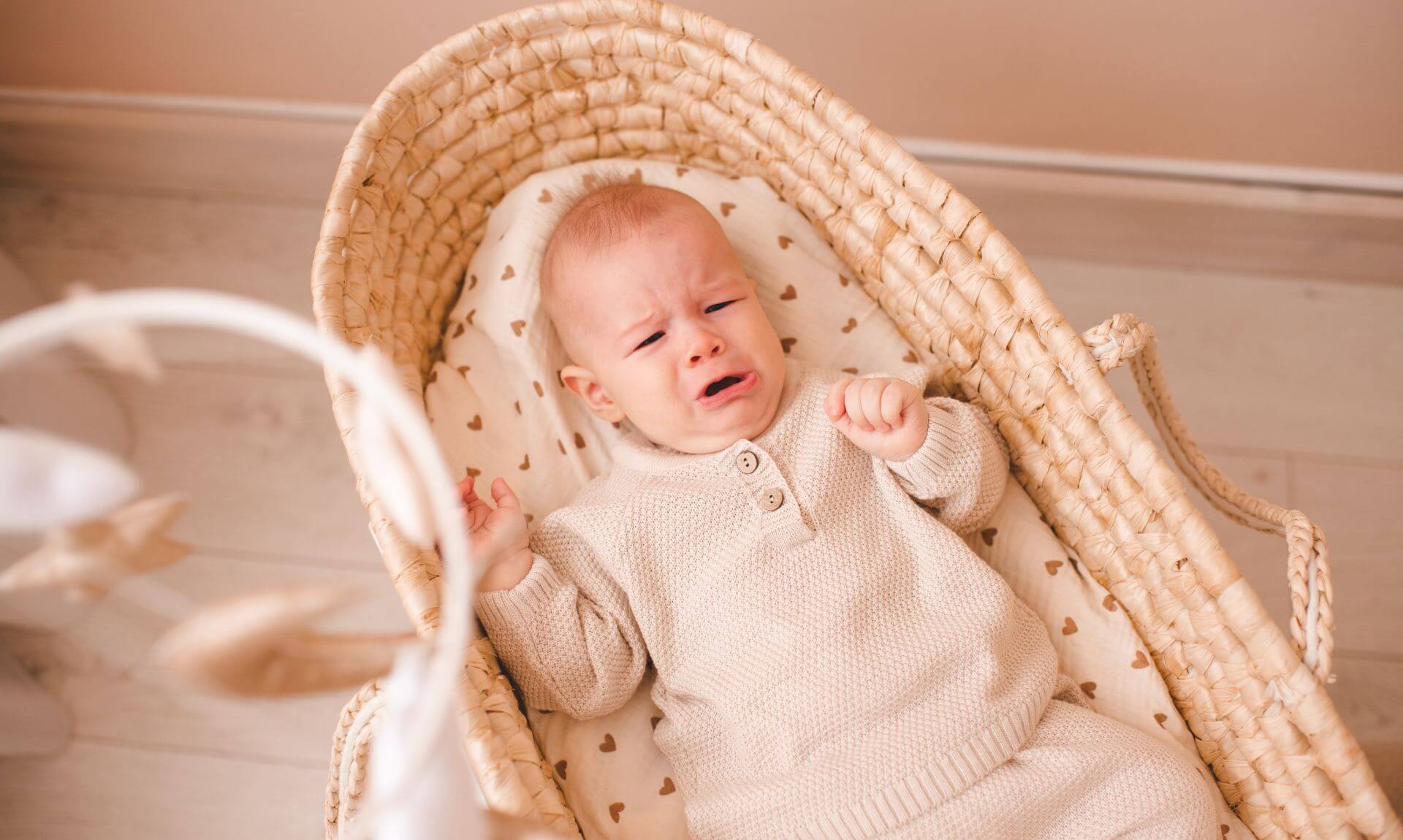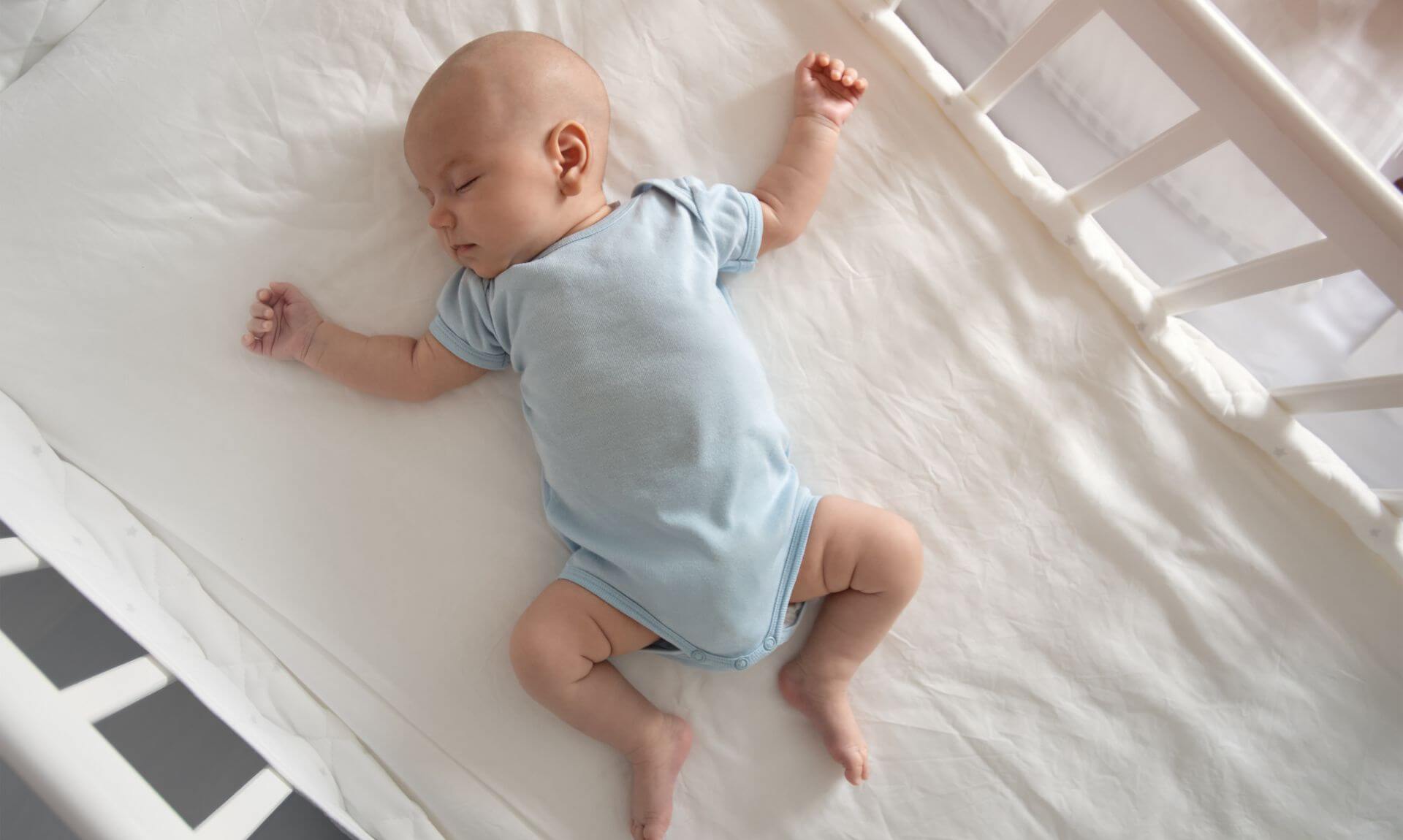
How To Dress A Baby For Sleep?

Dressing a baby for sleep sounds like it should be simple. Pop on a onesie, add a blanket, job done. Then you actually try it at 2am with an overtired newborn, and suddenly you’re wondering whether socks count as “too many layers” and whether that cute hat is actually a good idea. It’s one of those tasks that looks easy until you’re the one doing it.
Getting it right matters more than it might seem, because how you dress your baby for sleep is directly linked to safe sleep guidance around reducing the risk of Sudden Infant Death Syndrome (SIDS). Overheating is one of the known risk factors, so this isn’t just about comfort. Below is a practical, no-nonsense guide to help you dress your baby appropriately for sleep, whatever the season.

Start with the room, not the outfit
Before you even open the drawer of baby clothes, sort out the room temperature. This does more of the work than most parents realise. Most health professionals suggest keeping a baby’s room somewhere between 16°C and 20°C (roughly 61°F to 68°F). A room thermometer is genuinely worth the few pounds it costs. Guessing by how the room “feels” to you is unreliable, especially since adults tend to run cooler at night than we think, and a room that feels chilly to you might be perfectly fine for a baby in a sleeping bag.
Once the room is at a sensible temperature, you can dress your baby to suit it rather than piling on layers to compensate for a room that’s too hot or too cold. A fan in summer or a bit of heating in winter to stabilise the room will make choosing sleepwear much easier.
Use the TOG system if you’re using a baby sleeping bag
If you use a baby sleeping bag (sometimes called a sleep sack), you’ll notice they’re rated in TOG, which is just a measure of thickness and warmth. Higher TOG means warmer. Most brands offer 0.5 TOG, 1 TOG and 2.5 TOG options, and matching the TOG to the room temperature is far more reliable than guessing.
- Above 24°C: a vest or short-sleeved bodysuit alone, or a 0.5 TOG bag
- 21°C to 23°C: a short-sleeved bodysuit with a 1 TOG bag, or a long-sleeved bodysuit with a 0.5 TOG bag
- 18°C to 20°C: a long-sleeved bodysuit or pyjamas with a 1 TOG bag
- 16°C to 17°C: a long-sleeved bodysuit and pyjamas with a 2.5 TOG bag
- Below 16°C: speak to your health visitor about extra layers, as very cold rooms need more thought than a simple layering chart can give you
These are general guides rather than strict rules, and every baby is a little different, so use them as a starting point and adjust based on how your baby actually feels.
Five practical rules for dressing your baby at bedtime
1. Layer sensibly, don’t over-layer
A common mistake is adding “just one more layer” out of caution. In winter, a bodysuit, sleepsuit and appropriately rated sleeping bag is usually plenty. In summer, a single layer, or sometimes just a nappy and a lightweight bag on very hot nights, is often enough. Overheating is a genuine safety concern, so more clothing is not automatically safer. If in doubt, go with slightly less rather than slightly more, and check your baby’s temperature to confirm.
2. No hats, no beanies, no loose accessories indoors
Hats are for outside in the cold, not for sleep. Babies lose a lot of heat through their heads, and covering it during sleep can contribute to overheating. Loose hats, bibs, and anything with ribbons, ties or strings also carry a strangulation and suffocation risk, so they should come off before your baby goes down, no matter how cute they look.
3. Choose natural, breathable fabrics
Cotton is the go-to for a reason. It breathes well, doesn’t trap heat the way some synthetic blends do, and washes well after the inevitable leaky nappy incidents. Look for sleepsuits that open easily at the front or have poppers down both legs, because 3am nappy changes are hard enough without wrestling with awkward fastenings.
4. Get the fit right
Too tight and it restricts movement and can rub. Too loose and fabric can ride up over your baby’s face, which is a real hazard, especially for younger babies who can’t move it away themselves. A snug but not tight fit, with room to kick their legs, is what you’re aiming for.
5. Learn your own baby’s signals
Some babies run warmer than others, and some tolerate cooler rooms better. After a few weeks you’ll start to notice patterns, sweaty hair at the nape of the neck, restlessness, flushed cheeks, or on the flip side, cool hands and a mottled look. Trust what you observe over any generic chart, and mention any pattern of unsettled sleep to your health visitor if it doesn’t improve.
How to check if your baby is too hot or too cold
Baby’s hands and feet are almost always cool to the touch, that’s completely normal and not a reliable way to judge temperature. Instead, feel the back of their neck or their chest. If it feels hot, sweaty, or clammy, they’re too warm and you should remove a layer. If it feels cold, add one. A baby who is sweating, has damp hair, or has flushed cheeks is showing signs of overheating and needs adjusting straight away. If your baby ever seems unusually floppy, unresponsive, or their breathing seems off, treat that as a medical concern and contact your GP or out-of-hours service rather than assuming it’s just about clothing.
What about swaddling?
Swaddling can genuinely help some newborns settle, because it recreates the snug feeling of the womb and stops the startle (Moro) reflex from waking them up repeatedly. It can work well in the first few months.
That said, swaddling comes with rules that matter for safety:
- Always place a swaddled baby on their back to sleep, never on their front or side
- The swaddle should be snug around the chest but loose enough around the hips and legs to allow natural movement, tight swaddling around the hips has been linked to hip development problems
- Stop swaddling as soon as your baby shows the first signs of trying to roll over, usually somewhere between 2 and 4 months, though this varies a lot between babies
- Never swaddle over the head, and check regularly that the swaddle hasn’t loosened or ridden up
Once your baby can roll, a swaddle becomes a real suffocation risk if they end up face down and can’t push themselves back. At that point, a sleeping bag with armholes is a much safer alternative, since it keeps them warm without restricting their arms or risking loose fabric near their face. If you’re unsure when to stop swaddling your own baby, your midwife or health visitor can talk it through with you based on how your baby is developing.
A note on blankets and loose bedding
Current safe sleep advice (from organisations such as The Lullaby Trust in the UK and similar bodies elsewhere) recommends avoiding loose blankets, pillows, cot bumpers and soft toys in a baby’s sleep space, particularly under 12 months. A well-fitted sleeping bag or securely tucked sheet and blanket (tucked no higher than shoulder height) is safer than loose bedding that could cover your baby’s face. If you’re at all unsure about what’s currently recommended for your baby’s cot or sleep space, it’s worth having a quick chat with your health visitor, since guidance is reviewed and can be updated.
The bottom line
Dressing a baby for sleep isn’t really about finding the perfect outfit. It’s about keeping the room at a sensible temperature, choosing simple breathable layers that fit well, skipping hats and loose accessories, and getting comfortable checking your baby’s neck or chest rather than relying on cold hands as your guide. Swaddle safely and know when to stop. Beyond that, you’ll get a feel for what works for your own baby fairly quickly, and there’s no shame in adjusting things a few times before you land on what suits them.
Share This Story, Choose Your Platform!


Latest Post

Latest News To Your Inbox
Subscribe to hear about our latest blog posts, competitions and special offers.