
Your Baby’s Sleep Cheat Sheet

First off, congrats on that beautiful baby of yours! If you’re anything like me, you’re probably wondering, “When will my baby finally sleep through the night?” or “Am I doing this whole sleep thing right?” Fear not, my sleep-deprived friend. Today, I’m giving you the ultimate baby sleep cheat sheet. This guide is packed with tips, tricks, and tried-and-true methods to get your little one (and you) the rest you both deserve.
1. Understanding Baby Sleep Cycles
Understanding your baby’s sleep pattern is the first step toward achieving those sweet dreams.
a) Newborns (0-3 months)
- Total Sleep: On average, newborns sleep about 14-17 hours a day, but this varies for each baby.
- Night & Day Confusion: Remember, your baby has spent 9 months in a womb where day and night were indistinguishable. Hence, they might have their days and nights mixed up at first.
- Sleep Duration: They typically sleep in short bursts of 2-4 hours, both day and night.
b) Infants (4-11 months)
- Total Sleep: Infants typically need 12-16 hours of sleep.
- Night Sleep: They can begin to sleep for longer stretches at night, but may still wake up for feedings.
- Naps: Infants usually take 2-3 naps during the day.
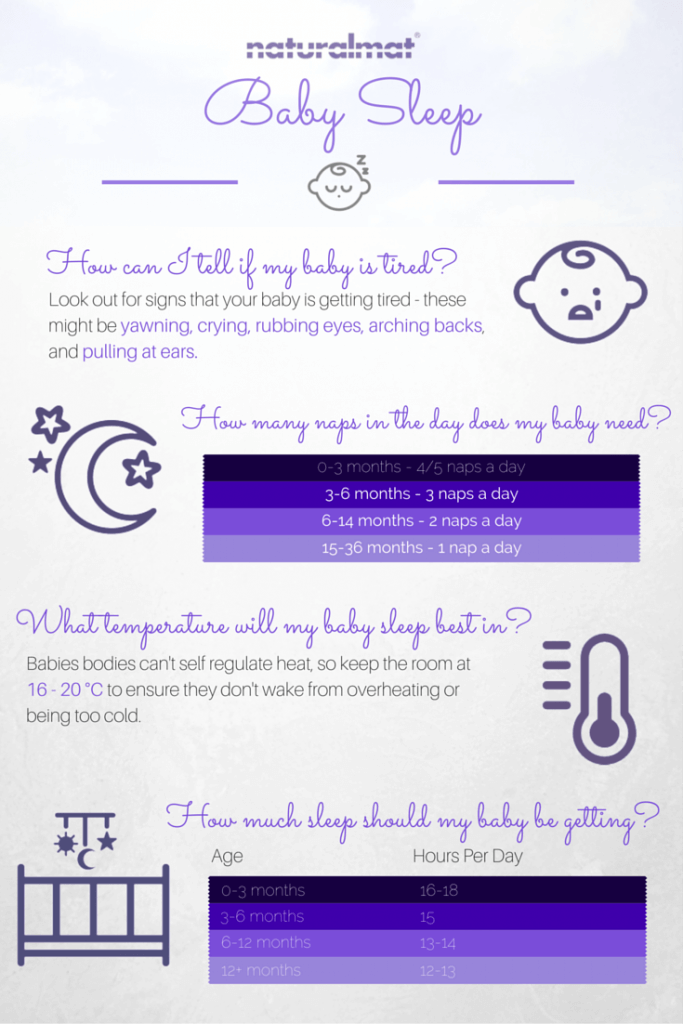
How many Naps?
| Age Range | Naps Per Day |
|---|---|
| 3-6 Months | 3 Naps |
| 6-14 Months | 2 Naps |
| 15-36 Months | 1 Nap |
How Much Total Sleep in Hours Per Day?
| Age Range | Total Sleep (Hours) |
|---|---|
| 0-3 Months | 16-18 |
| 3-6 Months | 15 |
| 6-12 Months | 13-14 |
| 12+ Months | 12-13 |
2. Creating the Perfect Sleep Environment
Creating the right ambiance can make a world of difference. Here’s what you should aim for:
- Darkness: Babies sleep better in dark rooms. Blackout curtains can be a game-changer.
- White Noise: A white noise machine can mimic the sounds they heard in the womb.
- Cool Temperature: Keep the nursery at a comfortable temperature, typically around 65-70°F (18-21°C).
- Safe Sleeping: Always put your baby on their back in a crib with a firm mattress and no loose bedding or toys.
3. The EAT (Eat, Activity, Sleep, You-time) Routine
One of my favorite methods to establish a predictable sleep pattern is the EAT routine. Here’s how it works:
- Eat: Feed your baby.
- Activity: Engage in a little playtime or interaction.
- Sleep: Lay your baby down for a nap or bedtime.
- You-time: Once the baby is asleep, this is YOUR time. Rest, relax, or catch up on chores.
4. Sleep Training Methods
There are several approaches to sleep training, so you can pick what’s best for you and your baby:
a) Ferber Method (or “Cry It Out”)
- This method involves letting your baby cry for gradually longer intervals before comforting them.
b) No Tears Method
- This approach focuses on comforting and soothing the baby without letting them cry it out.
c) Chair Method
- Gradually move further away from your baby’s crib each night until they can sleep without your presence.
Remember, every baby is unique. Some methods may work better for some babies than others.
5. Common Sleep Disruptors & Solutions
- Teething: If your baby’s gums are bothering them, consider offering a teething toy or consulting your pediatrician about pain relief.
- Hunger: Ensure your baby is getting enough to eat during the day, so they’re less likely to wake up hungry at night.
- Illness: If your baby is unwell, it’s natural for sleep patterns to be disrupted. Consult your doctor and offer comfort as needed.
6. Must-Have Sleep Tools
Investing in a few key items can greatly improve sleep quality:
- Swaddling Blankets: These can help newborns feel secure, like they’re in the womb.
- Pacifiers: Sucking can be soothing for many babies.
- Baby Monitor: For peace of mind, a baby monitor lets you keep an eye (or ear) on your sleeping baby.
7. The Golden Rule: Stay Consistent
Regardless of the methods or routines you choose, consistency is key. Babies thrive on routine. So even if you have a tough night, remember to stay the course, and you’ll likely see improvement over time.
Final Thoughts
Remember, every baby is different. What worked for your best friend’s baby might not work for yours, and that’s okay. Keep trying, stay patient, and know that this too shall pass. You’re doing a great job, and I believe in you! ????
Sleep tight and sweet dreams to both you and your little one!
Baby Sleep Guide From Newborn to 6 Months
Share This Story, Choose Your Platform!



Latest Post


Latest News To Your Inbox
Subscribe to hear about our latest blog posts, competitions and special offers.