Baby Box University: A Safe Haven for Newborns

Bringing a new baby home is a huge moment, and along with the joy comes a fair bit of worry about doing everything right, especially around pregnancy safety and those first few months of sleep. Babies under one year old are genuinely more vulnerable than most new parents realise, and a number of infant deaths each year are linked to unsafe sleep environments rather than illness. The good news is that most of these risks are preventable once you know what to look out for. That’s where the humble baby box comes in, a simple cardboard bed that started in Finland and has since spread around the world, including several programmes now running in the US.
Where the Baby Box Idea Came From
Finland introduced the baby box back in the 1930s as part of its Maternity Grants Act, which came into effect in 1938. At the time, Finland had a genuinely alarming infant mortality rate, with roughly one in ten babies dying before their first birthday. The box was originally only given to low income families, and to receive one, mothers had to attend prenatal check ups, which was arguably just as important as the box itself.
Finland’s infant mortality rate is now among the lowest in the world, sitting at around 2 deaths per 1,000 live births. It’s worth being honest here though: the box on its own didn’t cause that drop. It was one part of a much bigger package of universal healthcare, consistent prenatal care and public health education that Finland built up over decades. The box gets a lot of credit because it’s a nice, tangible symbol, but the real work was done by the healthcare system around it. That said, the box did (and still does) give families a free, safe place for a newborn to sleep, which matters a great deal for families who might otherwise struggle to afford a crib or bassinet.
What’s Actually Inside a Baby Box
The exact contents vary between countries and companies, but a typical box includes:
- The box itself, which doubles as the sleep space, with a small firm mattress that fits snugly inside
- A fitted sheet and sometimes a second spare
- Baby clothing for different seasons, including a going home outfit and warmer layers
- A bath towel and a few cloth nappies or muslins
- Basic care items such as a digital thermometer, blunt tipped nail scissors and gentle wash
- A small soft toy and a board book
It’s a genuinely thoughtful starter kit, particularly for parents who are stretched financially or simply haven’t had the chance to buy everything yet.
Baby Boxes in the US: New Jersey Leads the Way
Baby box schemes have popped up in Scotland, Argentina and several other countries over the past decade, but New Jersey was the first US state to offer them free to expectant mothers through a state backed programme. The scheme is run by the New Jersey Child Fatality and Near Fatality Review Board (CFNFRB), working with the Baby Box Company, a Los Angeles based business that has partnered with a number of countries to roll out Finnish style boxes.
Alongside the physical boxes, the Baby Box Company runs Baby Box University, a free online platform with parenting guides, short videos and articles covering everything from feeding to safe sleep.
How Baby Box University Works
In New Jersey, Baby Box University is also the sign up point for the box itself. Parents watch a short educational video on infant safety, then complete a quiz and get a certificate of completion before they’re eligible to receive a box. It’s not an onerous process, more of a quick refresher on the basics, but it does mean every family who gets a box has at least sat through the core safe sleep messaging. Boxes are distributed through local partners such as the Southern New Jersey Perinatal Cooperative, and the state has been working on expanding availability more widely, so it’s worth checking with your OB, midwife or hospital to see whether a programme is running near you.
Are Baby Boxes Actually Safe for Sleep?
This is the bit that genuinely deserves a straight answer rather than marketing language. Cardboard baby boxes have become popular and they’re clearly better than no safe sleep space at all, but they haven’t gone through the same rigorous, long standing safety testing that cribs and bassinets sold in the US are required to meet under Consumer Product Safety Commission standards. The American Academy of Pediatrics has been fairly cautious on this point, and has said there isn’t yet enough independent evidence to confirm cardboard boxes are as safe as a proper crib or bassinet for every situation, particularly once a baby starts to move around more.
None of this means you should avoid a baby box if one is offered to you. It does mean you should use it sensibly:
- Only use the mattress and bedding that came with the box, since it’s designed to fit snugly, and don’t add extra padding, pillows or thick blankets
- Keep the box on the floor rather than on a bed, sofa or raised surface
- Stop using it once your baby can roll, push up or sit unassisted, usually somewhere around 4 to 6 months, and move them into a full size crib or cot
- Never use the box in a car, on a table, or as a carrier
- If in doubt, ask your health visitor, midwife or paediatrician whether it’s still appropriate for your baby’s age and development
Safe Sleep Basics Every Parent Should Know
According to the New Jersey CFNFRB’s own data, a striking 93 percent of sudden unexpected infant deaths reviewed in the state were linked to sleep or the sleep environment rather than any underlying medical condition. That’s a sobering figure, but it also means most of these deaths are preventable with a few consistent habits. The AAP’s guidance, sometimes remembered as the “ABCs” of safe sleep, is worth keeping close by:
- Alone: your baby should sleep in their own space, not in bed with you or a sibling. Bed sharing increases the risk of suffocation and SIDS, even with the most careful parents
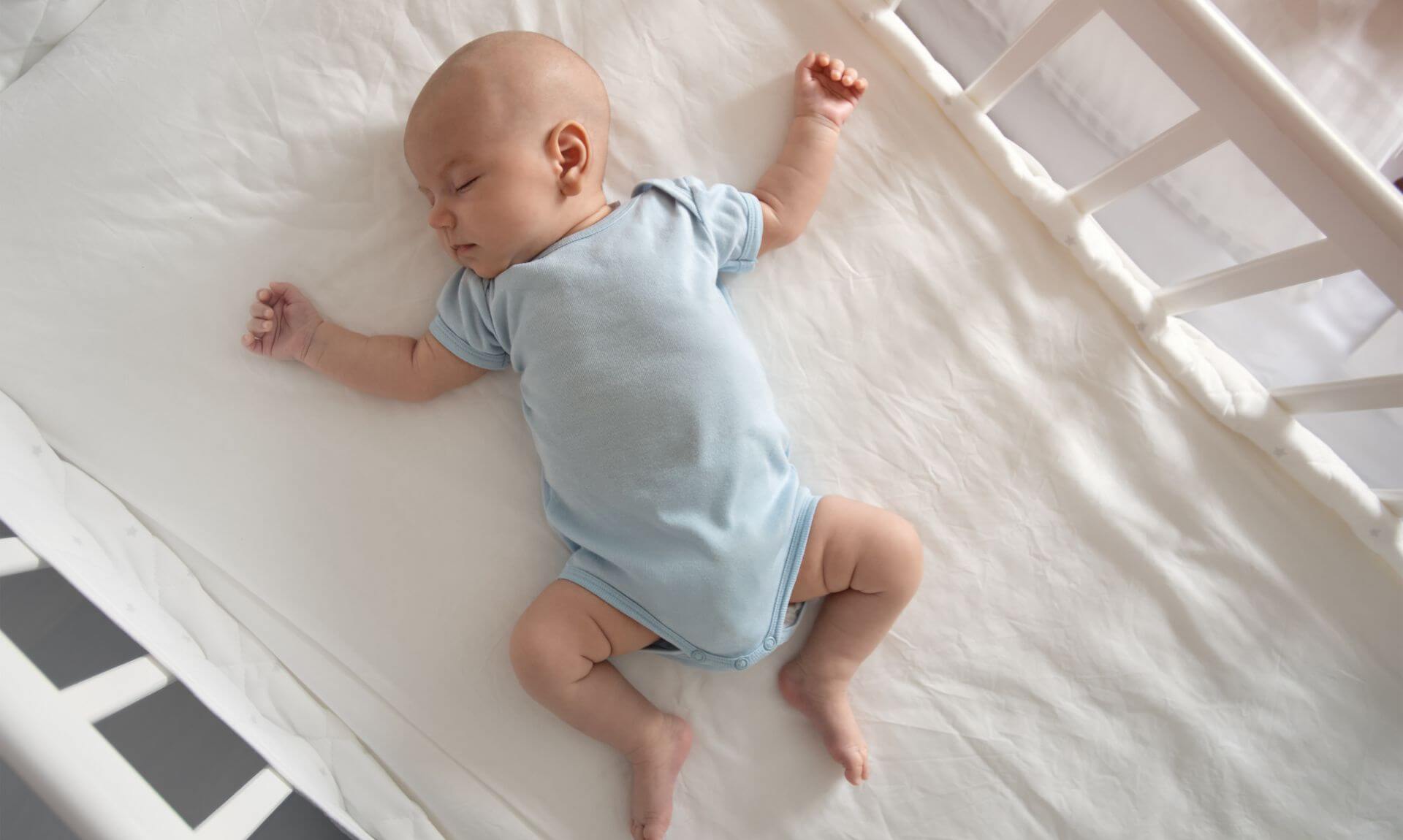
- Back: always place your baby on their back to sleep, for every sleep, until at least their first birthday
- Crib: use a firm, flat surface designed for infant sleep (a crib, bassinet, or a baby box used as intended), with nothing else in it: no pillows, loose blankets, bumpers or soft toys
The AAP does recommend room sharing, having your baby’s sleep space in your bedroom, for at least the first six months and ideally the first year, since this is associated with a lower risk of SIDS. That’s a bit different from bed sharing, and it’s exactly the gap a baby box or bassinet next to your bed is designed to fill. For more on this, see our baby sleep section, and always run any specific questions past your own paediatrician, since they’ll know your baby’s individual history.
Hospital Baby Box Programmes
Some hospitals have started running their own versions of this scheme rather than waiting on state funding. Temple University Hospital in Philadelphia, for example, gives a baby box to most of the roughly 3,000 infants born there each year. Their boxes include a mattress, linens, nappies, clothing and, usefully, a smoke detector, along with access to a mobile app packed with resources for new parents. Unlike New Jersey’s state run scheme, Temple’s programme is funded largely by individual donors, so its long term future depends on continued donations rather than a guaranteed budget. It’s a good reminder that these programmes can vary a lot depending on where you live and give birth, so it’s worth asking your hospital directly whether they offer anything similar.
Buying a Baby Box Yourself
If you’re not eligible for a free programme, or you’d simply rather buy one, several companies sell baby boxes directly to parents. The Baby Box Company sells boxes starting around $70, with clothing and linen bundles available separately if you want the fuller kit. Finnish Baby Box, started by three Finnish dads, sits at the pricier end from around $449, but includes a much wider range of items closer to the original Finnish box, including a full season’s worth of clothing.
Whichever you go for, check that the mattress fits the box tightly with no gaps around the edges, and that the company is transparent about what safety standards (if any) the box has been tested against. If you’re on a tighter budget, a well fitted bassinet or Moses basket from a reputable brand, checked second hand for recalls, is just as valid a choice.
A Few Practical Tips If You Use a Baby Box
A handful of small things make a real difference in practice. Keep the box somewhere at a stable room temperature, not too close to radiators, heaters or draughty windows. Dress your baby in a fitted sleep suit or sleep sack rather than piling on loose blankets. Check the box regularly for wear, especially if you’re reusing one for a second child, since cardboard softens over time and won’t hold up as well. And if you have pets or older siblings at home, make sure the box is somewhere it can’t be knocked over or climbed into.
Final Thoughts
Baby box programmes are a genuinely nice bit of support for new families, offering a safe place to sleep alongside some useful education on what safe sleep actually looks like. They’re not a magic fix on their own though, and the bigger win is the habit they help build: back sleeping, a firm flat surface, and no loose bedding, every single night, for every sleep. If a programme is running near you, it’s worth looking into, and if you have any doubts about whether a box is right for your baby, your midwife, health visitor or paediatrician is always the best person to ask.
Share This Story, Choose Your Platform!


Latest Post

Latest News To Your Inbox
Subscribe to hear about our latest blog posts, competitions and special offers.