
Is an Air Conditioner Safe for a Newborn?
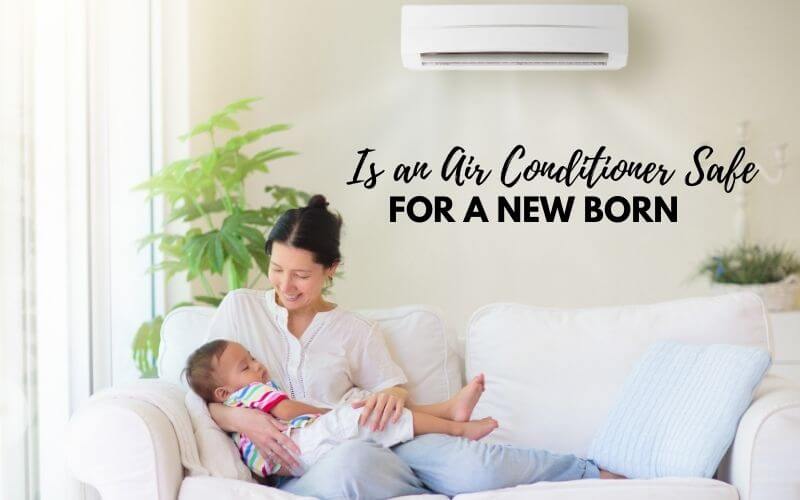
When the temperature climbs outside, most of us head straight for the nearest air conditioned room. If you’ve got a newborn at home, though, you’re probably wondering whether that cool air is actually good for your baby, or whether you’re better off sweating it out with a fan. It’s a fair question. Newborns can’t regulate their body temperature the way adults can, and getting the balance wrong in either direction (too hot or too cold) carries real risks.
The good news is that air conditioning, used sensibly, is perfectly safe for a newborn and can actually make life a lot easier during a heatwave. This guide covers what you actually need to know: safe temperature ranges, how to tell if your baby is too hot or too cold, and the small habits that make air conditioning safer around a young baby.
Why babies struggle with temperature more than adults do
Newborns lose heat much faster than adults do, largely because they have a bigger surface area relative to their body weight and less insulating fat. This is part of why skin to skin contact (sometimes called kangaroo care) works so well in the early weeks: your own body heat helps keep your baby’s temperature steady when their own system isn’t yet doing a great job of it.
At the same time, babies can overheat surprisingly quickly, especially if they’re overdressed, wrapped in too many layers, or left in a hot room without ventilation. Overheating is a genuine concern in babies under 12 months. Health bodies including safe sleep organisations point to overheating as one of several factors linked to a higher risk of sudden infant death syndrome (SIDS), which is exactly why getting room temperature right matters so much, particularly at night.
So the aim isn’t “cooler is always better” or “warmer is always safer”. It’s keeping things in a steady, moderate range and avoiding sudden swings.
So, is air conditioning safe for a newborn?
Yes, used properly. An air conditioner that keeps a nursery at a stable, comfortable temperature is generally safer for a newborn than a stuffy, overheated room during summer. The key word is “properly”: where you place your baby in the room, how cold you set the unit, and how well you maintain the machine all matter more than whether you use one at all.
What temperature should the room be?
Most health visitors and paediatric guidance suggest aiming for a nursery temperature somewhere between 16°C and 20°C (roughly 61°F to 68°F), with many parents finding their baby settles well around 18°C (64°F). You’ll see slightly different ranges quoted by different sources, so don’t panic if the number on your thermostat isn’t exact. What matters more is that the room isn’t extremely hot or extremely cold, and that you’re checking on your baby rather than relying purely on a number.
A simple room thermometer (the kind sold for nurseries, often shaped like a fish or a cloud) is genuinely useful here. It costs very little and takes the guesswork out of the equation, especially overnight when you’re not actively monitoring the room.
Placement matters more than the temperature setting
Never position the crib or Moses basket directly in the path of the air conditioning unit’s airflow. Cold air blowing straight onto a sleeping baby can dry out their skin and airways and cool them down far more than you intend, even if the thermostat reading in the room looks fine. Position the cot away from vents, and if you’re using a portable unit, angle it so the airflow circulates around the room rather than blasting one corner of it.
Keep the unit itself clean
Air conditioner filters collect dust, mould spores and other allergens over time, and a newborn’s respiratory system is far more sensitive to airborne irritants than yours is. Check and clean or replace filters according to the manufacturer’s instructions, generally every one to three months during heavy use. If you’re moving into a home with an older or rarely serviced unit, it’s worth having it checked before relying on it heavily around a baby.
Signs your baby is too hot or too cold
Here’s something that trips a lot of new parents up: checking a baby’s hands or feet is not a reliable way to judge their temperature. A newborn’s circulation is still developing, so hands and feet are often genuinely cool even when the baby is perfectly comfortable everywhere else. Instead, feel the back of their neck, their chest, or their tummy. These areas give a much better sense of their core temperature.
- Signs of overheating: flushed or red skin, sweating (unusual in very young babies but possible in a hot room), damp hair, rapid breathing, or a heat rash on the neck and chest.
- Signs your baby is too cold: a cool or clammy chest or back, pale or slightly mottled skin, and a baby who seems unusually quiet, floppy or reluctant to feed.
If your baby is unsettled and won’t be soothed by feeding or cuddling, it’s worth checking the room temperature and how they feel before assuming it’s something else. And if you’re ever genuinely worried that your baby feels too hot, too cold, or unwell, it’s always worth ringing your health visitor, GP or out of hours line rather than guessing. Trust your instincts here; you know your baby better than any guideline does.
What about hypothermia?
It’s a less common worry than overheating, but it is possible to overcool a room, especially with a powerful unit left running unattended for hours, or set much lower than needed. A too cold room can, in theory, contribute to a drop in a baby’s body temperature, particularly in a very young or small newborn. This is another reason a room thermometer earns its keep: it stops you (or an overenthusiastic partner) from setting the temperature far lower than intended.
Dressing your baby for an air conditioned room
What your baby wears matters just as much as the thermostat setting. A lightweight cotton bodysuit or sleepsuit under a sleep sack with an appropriate warmth rating (often labelled in “TOG” on baby sleeping bags) is generally a safe bet in an air conditioned room. Avoid loose blankets in the cot altogether, since they’re both an overheating risk and a suffocation hazard, something the Lullaby Trust and similar safe sleep organisations are consistent about. If in doubt about the right TOG or layering for your specific room temperature, most sleeping bag brands publish a simple chart, and it’s worth keeping to hand.
Heading outside after time in an air conditioned room
One thing that genuinely can catch babies out is a sudden jump between a cold indoor environment and a hot, humid one outside. Going from an 18°C nursery straight into 32°C midday sun is a big shift for anyone, let alone a newborn who’s still working out how to regulate their own temperature.
Give your baby a chance to adjust gradually rather than walking straight from a chilled room into the heat. About 20 to 30 minutes before you plan to leave, turn the air conditioning off and open a window or two to let the room warm up a little. It doesn’t need to feel hot, just less of a shock. This small step makes the transition far more comfortable for your baby and, honestly, probably for you too.
The bottom line
Air conditioning is not something to fear around a newborn. In fact, keeping a nursery at a steady, moderate temperature during hot weather is one of the more sensible things you can do, particularly given the links between overheating and SIDS risk. The details that actually matter are simple: keep the airflow away from the cot, don’t set the room extremely cold, dress your baby appropriately rather than relying on the AC to do all the work, maintain the unit’s filters, and let your baby ease into outdoor heat rather than facing it head on straight from a cold room.
If you’re ever unsure about your baby’s temperature, breathing, or general wellbeing in hot weather, don’t hesitate to check in with your health visitor, GP or midwife. It’s exactly the kind of practical question they’re used to answering, and there’s no such thing as a silly question when it’s about your newborn.
Share This Story, Choose Your Platform!


Latest Post


Latest News To Your Inbox
Subscribe to hear about our latest blog posts, competitions and special offers.