
Get Rid of Horrible Cradle Cap the Natural Way
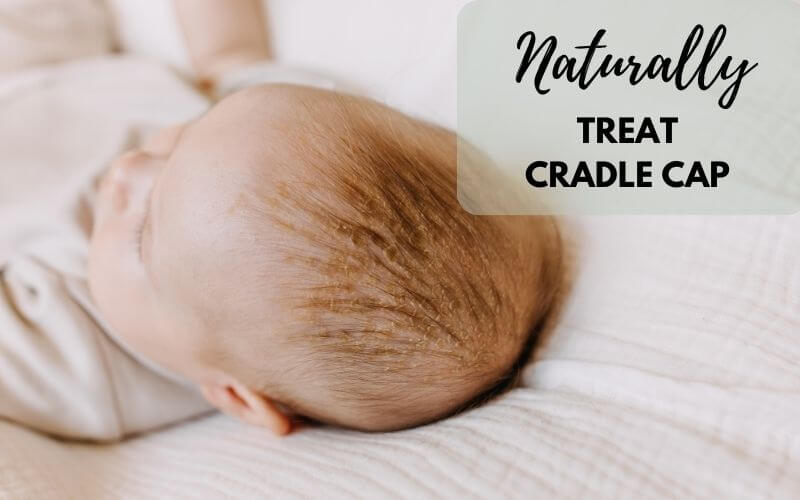
If you’ve spotted flaky, yellowish patches on your baby’s scalp, you’re not alone. Cradle cap is one of those things that looks worse than it actually is, and it catches a lot of new parents off guard because nobody really warns you about it. The good news is that it’s harmless, extremely common, and in most cases clears up on its own within a few months. Here’s what’s actually going on, and some gentle, practical ways to help it along.
What is Cradle Cap?
Cradle cap (the medical name is infantile seborrhoeic dermatitis) shows up as greasy, yellow or white scaly patches on a baby’s scalp. Sometimes it spreads to the eyebrows, eyelids, behind the ears, or into the skin folds of the neck and armpits. It usually appears in the first few weeks of life and tends to peak around 2 to 3 months old. It isn’t itchy or painful for most babies, doesn’t mean anything is wrong with their skin or hygiene, and it isn’t contagious.
What Causes Cradle Cap?
Nobody knows the exact cause, but there are a few things thought to play a part:
- Overactive oil glands. Hormones passed from mum to baby around birth can stimulate the baby’s sebaceous glands, leading to extra oil production on the scalp.
- A natural yeast called Malassezia. This yeast lives on everyone’s skin, but it seems to feed off the extra oil and may contribute to the scaling.
- It isn’t caused by anything you did. It isn’t related to allergies, poor washing, or a mother’s diet while breastfeeding, so there’s no need to feel guilty about it.
Natural Ways to Help Cradle Cap
Most cases don’t need any treatment at all and will clear up by themselves within weeks or a few months. If the patches are bothering you, or your baby’s hair is getting matted with scale, these gentle approaches can help loosen and remove it without irritating their skin.
1. Soften with Oil Before Washing
Massage a small amount of natural oil into the scalp such as coconut oil, olive oil, or a fragrance-free baby oil. Leave it on for 10 to 15 minutes (some parents leave it overnight, though a shorter time is usually plenty) so it can soften the scales. Avoid leaving oil on for very long stretches without washing it out, as this can sometimes make things greasier and encourage more scale to build up rather than less.
2. Warm Compress
A warm, damp flannel held against your baby’s scalp for a couple of minutes can help soften stubborn scales before brushing, especially if you’re using it together with oil.
3. Brush Gently
Use a soft baby hairbrush or a specific cradle cap brush (they have very fine, soft bristles) and brush in small circles over the softened scales. Never pick or scratch at the scales with your fingernails, and never use a fine-tooth comb hard against the scalp. Picking at cradle cap can break the skin and lead to a secondary infection. Loose scales should lift away easily; if they don’t come away without effort, leave them and try again after the next wash.
4. Wash with a Mild Shampoo
After softening and brushing, wash the hair with a mild, fragrance-free baby shampoo to remove the oil and loosened scale. Rinse thoroughly, as leftover oil on the scalp can sometimes make cradle cap worse rather than better.
5. Oatmeal Bath
Colloidal oatmeal (the very finely ground kind sold for baths, not porridge oats) can be soothing if your baby’s skin looks a bit irritated. Add it to bathwater following the packet instructions rather than making a paste to leave on the scalp, since raw oats can be tricky to rinse out of fine baby hair.
6. Aloe Vera
Pure aloe vera gel is sometimes used to calm redness, but check the ingredients list carefully. Many shop-bought gels contain alcohol or added fragrance that isn’t suitable for a baby’s skin, so a pure, fragrance-free gel is the only kind worth considering.
A Note on Breast Milk
You’ll see this suggested a lot in parenting forums. There isn’t good evidence that breast milk clears cradle cap any better than oil alone, and putting milk on the skin and leaving it can actually encourage bacterial growth if it isn’t washed off. If you want to try it, treat it the same way as an oil treatment: apply, leave briefly, then wash off properly.
What to Avoid
- Don’t scratch, pick, or forcefully scrub at the scales. This can cause soreness, bleeding, or infection.
- Avoid strong dandruff shampoos or anything containing salicylic acid unless a doctor or health visitor has specifically told you to use it. These aren’t generally recommended for young babies.
- Avoid essential oils on a baby’s scalp. Their skin is thinner and more absorbent than an adult’s, and some essential oils aren’t safe for infants.
Keeping It From Coming Back
Washing your baby’s hair two or three times a week with a mild shampoo is usually enough to keep oil buildup under control. There’s no need to wash daily, as over-washing can dry out and irritate the skin. Let the scalp air dry properly after baths rather than immediately covering it with a hat, as trapped moisture and warmth can encourage more scale to form. There’s no solid evidence linking a breastfeeding mother’s diet to cradle cap, so you don’t need to cut anything out of your own meals on account of it.
When to Check With Your Doctor or Health Visitor
Cradle cap almost always sorts itself out with time and doesn’t need medical treatment. That said, it’s worth getting it checked if:
- The skin looks red, swollen, weepy, or seems to be causing your baby discomfort.
- The patches spread significantly beyond the scalp, or you notice cracking or bleeding.
- It hasn’t improved by the time your baby is around 12 months old, or it seems to be getting worse rather than better despite gentle care.
A GP or health visitor can rule out other skin conditions such as eczema or, rarely, a fungal infection, and can prescribe a mild treatment if needed. It’s always fine to ask if you’re unsure, that’s what they’re there for.
Cradle cap looks alarming but it’s one of those baby quirks that almost every parent deals with at some point, and it doesn’t bother most babies at all. A little patience, gentle washing, and the odd soft brush of the scalp is usually all it takes to see it off.
Share This Story, Choose Your Platform!


Latest Post


Latest News To Your Inbox
Subscribe to hear about our latest blog posts, competitions and special offers.