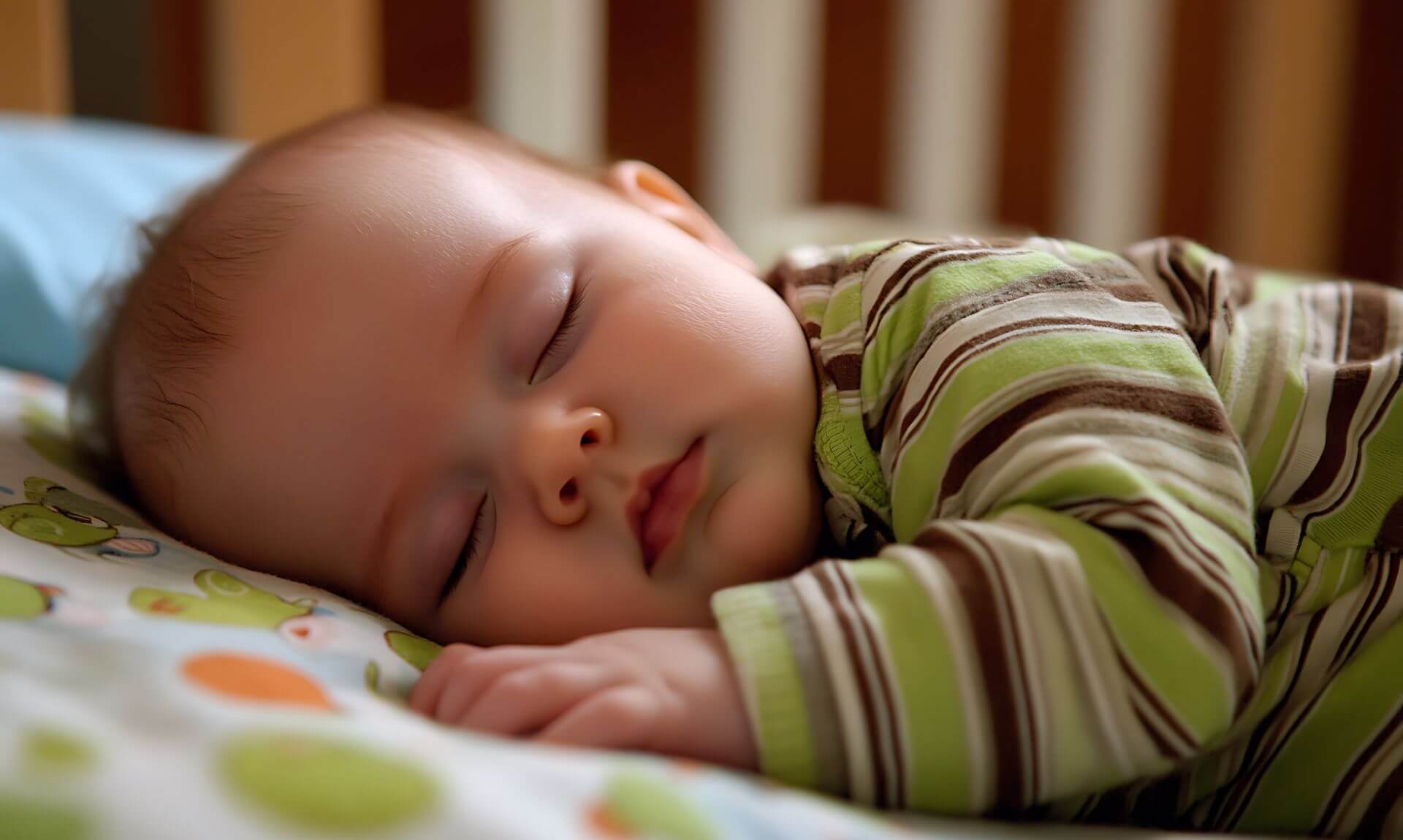
A visual guide to Newborn skin ailments

Newborn skin can be a real rollercoaster in those first few weeks. One day it’s soft and perfect, the next day you’re staring at a strange rash wondering if you should call the doctor. Most of the time, these skin changes are completely normal and settle down on their own as your baby’s skin adjusts to life outside the womb. But it helps to know what you’re looking at, what’s likely to clear up by itself, and what genuinely needs a check-up. This guide walks through the most common newborn and early infant skin conditions, what causes them, and what actually helps.
A quick note before we start: nothing here replaces a proper look from your GP, midwife or health visitor. If you’re ever unsure, worried, or your baby seems unwell alongside a skin change (fever, poor feeding, lethargy, or a rash that doesn’t fade when you press on it), get them seen the same day rather than waiting.
Why newborn skin behaves this way
A newborn’s skin is thinner than yours and hasn’t finished developing its protective barrier yet. It loses moisture faster, reacts more easily to friction and fabric, and is still adjusting to hormones passed on from mum during pregnancy. This is why so many newborn skin issues, from acne to peeling to little bumps, are just part of normal adjustment rather than a sign anything is wrong.
#1 Diaper Rash: The Battle of the Bottom
Nappy rash is probably the most common skin complaint you’ll deal with in the first year, and almost every baby gets it at some point. It happens because skin under a nappy is warm, damp, and in contact with urine and stool, which breaks down the skin’s surface over time.
Where it appears: The nappy area, particularly the genitals, buttocks, and skin folds in the groin.
What it looks like: Red, shiny or slightly raised skin. In milder cases it’s just patchy redness, but if it’s left untreated for a while it can crack, weep, or develop small blisters or open sores. If you see bright red spots with a scalloped edge spreading outward from the rash, that can indicate a thrush (yeast) infection on top of the rash, which usually needs an antifungal cream from your pharmacist or GP rather than just a barrier cream.
Causes: Prolonged contact with wet or soiled nappies, friction, new brands of nappies or wipes, diarrhoea, teething (which can loosen stools), or starting solids.
Treatment: Change nappies frequently, even during the night if the rash is bad. Clean gently with water and cotton wool or a fragrance-free wipe rather than scrubbing, and pat dry rather than rubbing. Apply a barrier cream with zinc oxide at every change. Let your baby have some nappy-free time on a towel a few times a day so air can get to the skin. If the rash hasn’t improved after two to three days, has spread, or comes with fever, it’s worth getting it checked, since it may need a prescription cream.
#2 Cradle Cap: Taming the Scalp Scales
Cradle cap (infantile seborrhoeic dermatitis) looks worse than it is. It’s not caused by poor hygiene and it doesn’t itch or bother most babies at all, it’s mostly a cosmetic issue that unsettles parents more than babies.
Where it appears: Mainly the scalp, but you’ll sometimes see it on the eyebrows, behind the ears, on the eyelids, or in skin folds like the neck and armpits.
What it looks like: Greasy, yellowish or brownish flaky patches or scales, sometimes with mild redness underneath. It can look a bit like dandruff, and pulling scales off too early can occasionally take a few hairs with them.
Causes: Overactive oil (sebaceous) glands, thought to be triggered by hormones passed from mother to baby before birth. It isn’t an allergy and it isn’t contagious.
Treatment: Massage a small amount of baby oil, coconut oil, or a specific cradle cap treatment into the scalp about 15 to 20 minutes before bath time to loosen the scales. Use a soft baby brush or a soft flannel to gently work them loose while shampooing, then rinse thoroughly. Don’t pick at dry scales with your nails. Most cradle cap clears up by six to twelve months, though a small number of children keep milder patches for longer. If it spreads to the body, looks inflamed and angry, or doesn’t respond to the usual routine, your health visitor or GP can advise on a mild medicated shampoo.
#3 Baby Acne: Those Tiny Bumps on Their Cheeks
Baby acne (neonatal acne) usually shows up around two to four weeks of age, though some babies are born with it. It’s caused by maternal hormones still circulating in your baby’s system, which stimulate oil glands that aren’t quite ready for the job yet.
Where it appears: Cheeks, chin, forehead, and occasionally the upper back and chest.
What it looks like: Small red or white bumps, sometimes with a bit of surrounding redness. It can flare when your baby is warm, crying, or after feeds.
Causes: Maternal hormones, overactive sebaceous glands. There’s no evidence it’s linked to anything you ate or did during pregnancy.
Treatment: Wash the face once a day with plain warm water, pat dry, and leave it alone otherwise. Avoid baby acne creams, adult acne products, or oils on the face, as these can make it worse. It typically clears within three to four months without any treatment. If bumps appear before two weeks of age, look unusually widespread, or come with pus-filled spots and your baby seems unwell, mention it to your GP, as this can occasionally be a different skin infection rather than ordinary baby acne.
#4 Eczema: Battling Dry, Itchy Skin
Atopic eczema rarely shows up before about two months old, and it’s a slightly different picture from most other newborn skin issues because it tends to be recurring rather than a one-off phase. Babies with a family history of eczema, asthma or hay fever are more likely to develop it.
Where it appears: In young babies, eczema often starts on the cheeks, scalp, and outer surfaces of the arms and legs. As babies get older and start crawling, it tends to move to the creases behind the knees and inside the elbows.
What it looks like: Dry, red, rough patches that can feel scaly or slightly thickened. It’s often itchy, which is why babies rub their faces against sheets or scratch with their hands. Skin can crack and, if scratched a lot, become infected, look weepy or crusty in that case, which needs medical attention.
Causes: A combination of genetics and a skin barrier that lets moisture out and irritants in more easily than usual. Triggers include soap, bubble bath, wool or synthetic fabrics, heat, saliva around the mouth, and sometimes certain foods once weaning starts.
Treatment: Moisturise generously and often, ideally an unperfumed emollient applied at least twice a day, even when the skin looks clear. Bath in lukewarm water for short periods, use an emollient wash instead of soap, and pat the skin dry rather than rubbing. Dress your baby in soft cotton and avoid overheating. Keep nails short and consider light cotton scratch mitts at night if scratching is a problem. If the usual emollients aren’t controlling it, or you suspect infection, your GP can prescribe a mild steroid cream or refer you if needed. Don’t be put off by “steroid cream,” used correctly and briefly under medical guidance it’s safe and effective.
#5 Heat Rash: Keeping Cool and Comfortable
Heat rash (miliaria, or prickly heat) happens when sweat gets trapped under the skin because pores are blocked or immature. Newborns are more prone to it than older babies because their sweat glands aren’t fully developed.
Where it appears: Skin folds and areas covered by clothing, such as the neck, chest, back, and nappy area, though it can appear anywhere.
What it looks like: Tiny clear or red bumps, sometimes in clusters, that can look a bit like small blisters. Unlike eczema, it usually settles quickly once your baby cools down.
Causes: Overdressing, tightly swaddling, hot weather, or spending time in a heated car seat or carrier.
Treatment: Move your baby somewhere cooler, remove a layer of clothing, and let the skin air dry. A cool (not cold) bath can help, as can loose cotton clothing rather than synthetic fabrics. Avoid creams or lotions on heat rash, as they can trap more heat in the skin. As a general guide, dress your baby in one layer less than you’d wear yourself, and check the back of their neck for sweatiness rather than relying on cold hands as a sign of temperature.
#6 Milia: The Mysterious White Bumps
Milia are extremely common, affecting a large proportion of newborns in the first few weeks. They’re often confused with baby acne, but they’re a different thing entirely, caused by tiny pockets of trapped keratin rather than oil gland activity.
Where it appears: Usually the nose, chin, and cheeks, though they can appear on the gums or roof of the mouth too (sometimes called Epstein’s pearls, which are equally harmless).
What it looks like: Small, firm, pearly white or yellowish bumps, usually no bigger than a pinhead, with no surrounding redness.
Causes: Dead skin cells getting trapped near the surface of the skin. It isn’t linked to hygiene or anything you did during pregnancy.
Treatment: None needed. Milia clear up on their own, usually within a few weeks, sometimes up to a few months. Don’t squeeze, scrub, or pick at them, this can cause irritation or infection for no benefit, since they’ll resolve regardless.
Worth mentioning here too: many newborns also develop a rash called erythema toxicum in the first few days of life, with red blotchy patches and small white or yellow bumps that can appear and disappear from day to day. It looks alarming but is harmless and fades on its own within a week or two. If you’re ever unsure whether a newborn rash is milia, baby acne, or something else, it’s fine to ask your midwife or health visitor to take a look, they see this constantly and can usually reassure you on the spot.
#7 Jaundice: Understanding the Yellowing Skin
Jaundice affects a large number of newborns, particularly in the first week of life, and in most cases it’s mild and resolves without treatment. It happens because a newborn’s liver isn’t yet efficient at processing bilirubin, a pigment produced when red blood cells break down.
Where it appears: Usually starts on the face and eyes, then spreads down to the chest, tummy, and eventually the legs and feet in more significant cases. It can be harder to spot on darker skin, so check the whites of the eyes, gums, and the soles of the feet, and press gently on the skin, if it looks yellow underneath where you pressed, mention it to your midwife.
What it looks like: A yellowish tinge to the skin and the whites of the eyes.
Causes: Immature liver function (the most common reason), a higher turnover of red blood cells in newborns, and sometimes feeding difficulties in the early days, since dehydration can make jaundice more pronounced.
Treatment: Mild jaundice appearing after 24 hours of age usually needs nothing more than good feeding (breastmilk or formula) to help clear bilirubin from the body, and it typically resolves within one to two weeks. Your midwife or health visitor will check for it as part of routine newborn checks and may arrange a blood test if levels seem high. If bilirubin levels are significantly raised, phototherapy (special blue light treatment) is used to help break it down, usually in hospital or sometimes at home with a portable unit. One important flag: jaundice that appears within the first 24 hours of life is different from the common type and needs urgent medical assessment, so tell your midwife or doctor straight away if you notice yellowing that early.
#8 Roseola: A Pink Rash After a Fever
Roseola is less a “newborn” condition and more something that tends to affect babies and toddlers between about six months and two years old, once maternal antibodies have worn off and a baby is more exposed to common viruses. It’s worth knowing about even if it shows up a bit later than the other conditions here.
Where it appears: The rash typically starts on the trunk and neck before spreading outward to the arms, legs, and sometimes the face.
What it looks like: A high fever, often 39°C or above, lasting three to five days, followed by a pink or reddish spotty rash that appears as the fever breaks. The rash usually isn’t itchy and your baby often seems back to their normal self once it appears, even though the rash can look extensive.
Causes: Human herpesvirus 6, occasionally human herpesvirus 7. It spreads through saliva and respiratory droplets, similar to a cold.
Treatment: There’s no specific treatment, it runs its course on its own. Keep your baby comfortable, offer plenty of fluids, and use infant paracetamol or ibuprofen if advised by your pharmacist or GP for the fever. High fevers in babies under three months always need medical assessment, and any fever in a baby under this age that you’re worried about is worth an urgent call to your GP or NHS 111 (or your local equivalent), rather than waiting to see if a rash develops.
When to get a rash checked urgently
Most newborn skin changes are harmless, but a few signs mean you shouldn’t wait for a routine appointment. Get medical help the same day, or urgently, if your baby has:
- A rash that doesn’t fade when you press a glass against it (non-blanching), especially with fever or your baby seeming unwell
- Jaundice appearing in the first 24 hours of life, or jaundice that’s getting worse rather than better after two weeks
- A rash with blisters, pus, or areas of skin that look infected (increasing redness, warmth, or swelling)
- Any skin change alongside a high fever, poor feeding, unusual drowsiness, or difficulty breathing
- A rash that spreads very quickly over hours rather than days
Trust your instincts here. You know your baby better than anyone, and health visitors and GPs would always rather see a baby who turns out to be fine than miss something that needed attention early.
Caring for newborn skin day to day
A lot of these conditions are less likely, or less severe, with a few simple habits. Bath your baby two to three times a week rather than daily in the newborn period, since over-bathing can dry out already delicate skin. Use fragrance-free, dye-free products wherever possible. Keep the room at a comfortable temperature rather than overheating it, dress your baby in breathable natural fabrics, and change nappies regularly. None of this guarantees a rash-free first year, skin conditions are just part of babyhood, but it does reduce how often and how badly they flare up.
Every baby’s skin settles into its own rhythm over the first year, and what looks alarming in week two is often completely gone by month six. Keep half an eye on things, ask your health visitor or GP when something doesn’t sit right with you, and try not to worry too much about the day-to-day bumps and blotches. They’re a normal part of your baby figuring out this whole new-skin thing, and yours too.
Share This Story, Choose Your Platform!
Latest Post


Latest News To Your Inbox
Subscribe to hear about our latest blog posts, competitions and special offers.