Do’s and Don’ts of who can kiss your Baby!
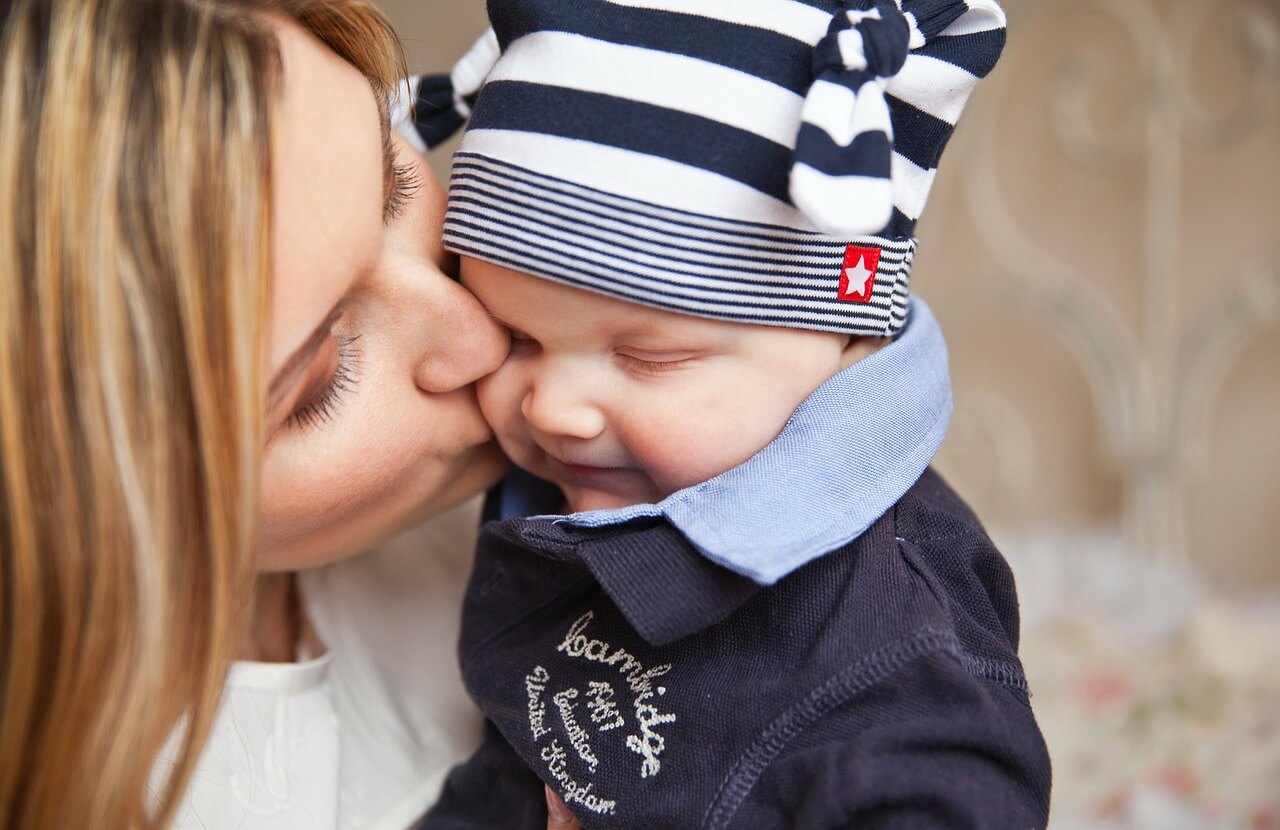
Baby kisses are one of the loveliest parts of having a newborn in your life. But they’re not always as harmless as they look. A single kiss from someone with a cold sore, a chesty cough, or even just a busy week of handshakes and door handles can genuinely make a young baby unwell. This isn’t about being precious or overprotective. It’s about understanding how vulnerable a newborn’s immune system really is, and knowing where the actual risks lie so you can relax about the rest.
Why this is worth thinking about
Newborns aren’t born with a fully working immune system. They get some protection from antibodies passed on by mum during pregnancy and through breastfeeding, but that protection is patchy and it fades over the first few months. Their skin is thinner too, which makes it easier for viruses to get in through even a small break or graze.
The virus most people don’t think about is HSV-1, the cold sore virus. Most adults carry it, and most of us shrug off an outbreak with a bit of cream and some patience. In a newborn, though, HSV-1 can occasionally cause neonatal herpes, which is rare but serious, and in the worst cases it can affect the brain or spread through the body. There was a widely reported case in the UK a few years back where a newborn, Brooke, developed a herpes outbreak after being kissed by a hospital visitor who had a cold sore they didn’t realise was contagious. Her mother, Claire Henderson, spoke publicly about how quickly things escalated and how close it came to being far more serious. It’s a media-reported case rather than a clinical study, but it’s a useful, sobering reminder of how a completely innocent kiss can carry a virus that’s mild for an adult but risky for a tiny baby.
Cold sores aren’t the only concern. Coughs, colds, flu and especially whooping cough (pertussis) are all much more dangerous for babies under about three months than for anyone else in the house. RSV, a common respiratory virus that barely bothers older kids and adults, is a leading cause of hospital admissions in young infants. None of this means you need to panic or wrap your baby in cotton wool. It just means it’s worth being a bit more deliberate about who gets close contact in those early weeks.
Kisses that are generally fine
For most healthy babies past the newborn stage, ordinary affection from people who are well isn’t something to worry about. A bit of exposure to everyday germs actually helps a baby’s immune system develop over time. The people usually fine to kiss and cuddle your baby, assuming they’re not unwell, include:
- You and your partner. Skin to skin contact and kisses from parents are not just safe, they’re genuinely good for bonding and for your baby’s sense of security.
- Grandparents and close family who see your baby often, are in good health, and wash their hands before picking your baby up.
- Siblings, with a bit of gentle supervision. Kids pick up colds constantly from school and nursery, so it’s worth teaching them to kiss the top of the head or the hand rather than the face if they’ve got even a hint of a sniffle.
- Close friends and extended family who are healthy, keep their hands clean, and respect it if you’d rather they held off for now.
The common thread here isn’t really about who someone is to you. It’s about whether they’re well, whether their hands are clean, and whether they’re kissing the baby’s head or hand rather than their face or mouth.
Kisses and contact to avoid, whoever they’re from
- Anyone with a cold sore, even a healing one. The virus is still active until the sore has fully scabbed over and dried out. This is the single biggest thing to be firm about.
- Anyone with a cough, cold, sore throat, fever, or upset stomach. It doesn’t matter how mild it feels to them. It’s fair to ask them to visit another time.
- Kisses directly on the mouth. This is the most direct way for viruses like HSV-1 to pass from an adult to a baby.
- Lots of hand kissing or hand holding from multiple people. Babies put their hands in their mouths constantly, so anything on those little hands ends up in their mouth too.
- Strangers or casual acquaintances wanting a peck at the supermarket or a family gathering. You’re allowed to smile, say no thank you, and move the pram along.
The first few weeks are the time to be strictest
Most midwives and health visitors will tell you the first six to eight weeks are when you want to be most careful, particularly if your baby was born early, was small for their age, or spent any time in special care. This is sometimes called “cocooning”, the idea that everyone who has close contact with a very young baby should be up to date on their own vaccinations, especially against whooping cough and flu, since these can be genuinely dangerous for infants too young to be vaccinated themselves.
Practically, this might look like:
- Asking visitors to wash their hands or use hand gel before holding the baby.
- Keeping kisses to the top of the head rather than the face for anyone outside your immediate household.
- Politely postponing visits from anyone who’s under the weather, even if it’s “just a cold”.
- Being extra cautious during winter months when flu, RSV and other bugs are circulating more heavily.
After the first couple of months, most babies are noticeably sturdier and better able to shake off ordinary germs, and you can relax the rules a bit. If your baby was premature or has an underlying health condition, ask your paediatrician or health visitor for specific guidance, since the timeline may need to be longer.
How to actually say no without the awkwardness
This is often the hardest part for new parents, not the science but the social side of it. People mean well and can feel hurt if you turn them down. A few phrases that tend to work without causing offence:
- “She’s a bit young for kisses just yet, doctor’s orders! Feel free to give her hand a little squeeze instead.”
- “I know it’s not personal, but we’re keeping face kisses to just us for now while her immune system catches up.”
- “Would you mind popping some hand gel on before you hold her? We’re being extra careful with germs at the moment.”
Most people, especially anyone who’s had children themselves, will understand immediately. If someone pushes back, it’s completely fine to hold your ground. You know your baby and your comfort level better than anyone else in the room, and you don’t owe anyone an explanation beyond “it’s what we’ve decided”.
What to watch for, and when to get help
If your baby has had contact with someone who later develops a cold sore, or if you notice small fluid-filled blisters anywhere on your baby’s skin, especially near the mouth or eyes, contact your GP, health visitor or out of hours service straight away rather than waiting to see if it clears up on its own. Other signs worth acting on quickly in a young baby include a high or low temperature, unusual sleepiness or floppiness, poor feeding, or laboured breathing. Trust your instincts here. If something feels off, it’s always worth getting checked rather than assuming it’s nothing.
As always, if you’re ever unsure about a specific situation, whether that’s a visitor with a lingering cough or a rash you’re not sure about, your GP, midwife or health visitor is the right person to ask. They’d much rather answer a “silly” question than see you worry unnecessarily, or miss something that actually matters.
The bottom line
Most kisses your baby gets will be lovely, harmless, and exactly the kind of affection that helps them feel safe and loved. A small number of situations genuinely carry risk, and cold sores are the one to be firmest about. Being clear with visitors, keeping an eye on who’s well and who isn’t, and trusting your own judgement will keep your baby safe without turning every cuddle into a source of anxiety. You’re allowed to set the rules here. It’s your baby, and it’s completely reasonable to protect those first precious weeks however feels right to you.
Share This Story, Choose Your Platform!


Latest Post

Latest News To Your Inbox
Subscribe to hear about our latest blog posts, competitions and special offers.