
Ameda Breast Pump Reviews – Pump Up Your Milk!
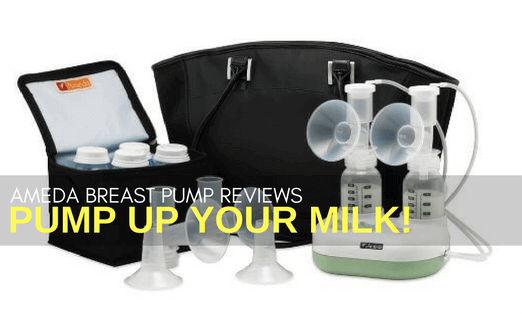
If you’re breastfeeding and thinking about pumping, you’ve probably come across Ameda somewhere in your research. It’s one of the older names in the breast pump world, and it’s the brand a lot of hospitals and lactation consultants reach for first. I’ve used a few different pumps over the years with my own three kids, and the difference between a cheap, weak pump and a properly built one is honestly night and day. This guide walks you through Ameda’s main pumps, what they’re actually good for, and how to pick the right one for your situation rather than just buying whatever comes up first on Amazon.
One thing worth saying upfront: every baby, every body and every milk supply is different. If you’re struggling with latch, supply, or pain while pumping, it’s worth checking in with a lactation consultant, midwife or your health visitor before you spend money on equipment. A pump won’t fix an underlying feeding issue, but the right one can make a real difference to your day to day life.
A bit about the Ameda brand
Ameda’s history goes back to the work of Einar Egnell, a Swedish engineer who built some of the first electric breast pumps used in hospitals in Sweden in the 1950s. His designs around cycling speed and vacuum strength still influence how modern hospital-grade pumps are built, and Ameda has carried that hospital heritage into its consumer range. That’s part of why you’ll see Ameda pumps in hospital lactation rooms as well as on sale for home use.
It’s worth knowing that Ameda splits its range into two real categories: hospital-grade multi-user pumps, and personal-use pumps meant for one mother only. They’re not interchangeable, and mixing them up is one of the more common mistakes new parents make when buying.
Hospital-grade vs personal-use: know the difference before you buy
Hospital-grade pumps like the Ameda Elite and Ameda Platinum are built to be used by multiple mothers over their lifespan, which is only safe because the pump itself never comes into contact with milk. The motor creates suction through a closed system, and each mother uses her own separate collection kit (tubing, flanges, bottles) that never gets shared. Because of this, these pumps are often rented through hospitals, pharmacies or lactation consultants rather than bought outright, though you can find them for sale online too. They’re the right call if you have a premature or poorly baby who isn’t feeding directly from the breast, if you’re establishing supply from day one, or if you need serious, consistent output.
Personal-use pumps, like the Purely Yours range, are designed for one user for the life of the product. They’re not meant to be resold, borrowed or bought second hand, since the internal parts can’t be fully sanitised between users the way hospital-grade pumps can. If you’re an average breastfeeding mum going back to work and expressing a few times a day, this is the category you want.
Ameda breast pumps reviewed
1. Ameda Elite: the hospital-grade heavyweight
The Elite is Ameda’s flagship hospital pump, and it feels like it. It’s a solid tabletop unit, around 12 pounds, with an LCD screen, Ameda’s SMB waveform technology and VacuSense suction sensing that adjusts as your breast responds to the pump. You get fully adjustable speed and suction, built-in holders for bottles and flanges, and a timer so you’re not watching the clock.
Good for: mums who need serious, reliable output, whether that’s because of a NICU stay, low supply that needs building up, or exclusively pumping.
Worth knowing: it’s expensive to buy outright (often close to $2,000), heavy, and not something you’d want to lug between rooms. Most families rent this one rather than buy it, and that’s usually the more sensible route unless you know you’ll need it long term.
2. Ameda Platinum: hospital power, a bit more portable
The Platinum gives you hospital-grade strength in a lighter, more travel-friendly body, around 6.5 pounds. It uses an electric, piston-driven mechanism with microprocessor control, so you can fine-tune cycle speed and vacuum to what’s comfortable for you. It comes with bottle holders, freezer bags and a 12V car adapter, which makes it genuinely usable outside the house.
Good for: mums who need hospital-grade suction but also need to move around, travel, or use it in the car.
Worth knowing: still a big investment if bought new, usually over a thousand dollars, so check whether renting through a lactation consultant or hiring service makes more sense for your situation before you commit to buying.
3. Ameda One-Hand Breast Pump: the manual option
This is Ameda’s manual pump, and it’s built with a proper ergonomic, swivel-grip handle so you’re not fighting muscle fatigue halfway through a session, which is a common complaint with cheaper manual pumps. It’s light at around 2.2 pounds, comes in a small insulated tote, and the flanges are sold separately in different sizes so you’re not stuck if the one that comes in the box doesn’t fit well.
Good for: occasional pumping, relieving engorgement, or as a backup for when you’re away from your electric pump and need something quick and quiet.
Worth knowing: some Ameda manual models have been discontinued over the years and are only available through certain retailers now, which can make spare parts harder to track down. If you rely on a manual pump regularly, it’s worth checking parts availability before buying.
4. Ameda Purely Yours Double Electric Breast Pump
This is Ameda’s best known personal pump and probably the one most working mums end up with. It comes with two 25mm flanges, a tubing adapter so you can switch between single and double pumping, two storage bottles with lock-tight lids, valves, diaphragms, an AC adapter and a carry tote. It’s BPA free and light enough to carry to work without much thought.
Good for: mums who need to pump regularly, whether at work or at home, and want strong, adjustable suction without the size or cost of a hospital-grade unit.
Worth knowing: pumping speed depends on your own let-down, flange fit and how well you’re removing milk, not just the machine, so don’t expect a fixed number of minutes every time. If a session consistently feels slow or uncomfortable, check your flange size first before assuming the pump is at fault. It can be a bit noisy compared to newer wearable pumps, so if you need to pump discreetly on calls, factor that in.
5. Ameda Purely Yours Ultra: for lighter, occasional use
A closed-system version of the Purely Yours line, this one comes with a lunch-box style tote, two 120ml bottles, a flange and sealing lids. It’s BPA and DEHP free and suits mums who aren’t pumping multiple times a day, more the odd session here and there for a bottle out, a night off, or building a small freezer stash.
Good for: occasional pumping rather than exclusive or full-time expressing.
Worth knowing: flanges come in several sizes but are sold separately, so if the included size doesn’t fit you well, budget for buying the right one rather than pumping through discomfort. A poorly fitting flange is one of the biggest reasons pumping feels painful or unproductive, so it’s worth getting this right early.
How to actually choose between them
Rather than picking based on price or looks, think about how often you’ll actually pump. If you’re expressing multiple times a day, every day, go for a proper double electric or a hospital-grade rental. If it’s occasional, a manual pump or a lighter personal pump will do the job without the expense. If your baby is premature, unwell, or not yet feeding directly at the breast, speak to your midwife, health visitor or a lactation consultant about whether a hospital-grade pump on rental basis is the better route, since building and protecting supply in those early weeks matters more than saving money on equipment.
Flange fit deserves more attention than most people give it. Ameda sells several flange sizes across its range precisely because breast and nipple size varies a lot between mothers, and a flange that’s too small or too large can genuinely reduce how much milk you’re able to remove, as well as cause soreness. If you’re not sure what size you need, a lactation consultant can measure you properly, and it’s a five-minute job that can save weeks of frustration.
Cleaning and hygiene basics
Whatever pump you go with, the parts that touch milk (flanges, valves, bottles, tubing where relevant) need washing after every use and should be sterilised regularly, particularly in the first few months. Check the manufacturer’s instructions for your specific model, since closed-system pumps and open-system pumps have slightly different care needs. If you’re using a hospital-grade rental pump, you’ll use your own personal collection kit, never one that’s been used by another mother, and the rental company will usually give you clear guidance on cleaning and replacing parts like valves and membranes, which wear out with regular use.
If you’re weighing this up alongside other feeding decisions, our guide on tips for pumping breast milk covers the practical side of building a pumping routine, and our piece on breastfeeding in public is useful if you’re trying to balance direct feeding with pumping when you’re out and about.
Final thoughts
Ameda has a genuinely long track record in this space, and its pumps tend to hold up better over time than a lot of budget alternatives, which matters if you’re pumping daily for months on end. There’s no single “best” model though. The right choice depends on how often you’re pumping, whether you need hospital-grade strength, and how much you want to spend. If you’re still unsure, it’s worth having a chat with a lactation consultant or your health visitor about your specific feeding situation before you buy, since they can point you toward the right category of pump rather than just a brand name.
Share This Story, Choose Your Platform!



Latest Post


Latest News To Your Inbox
Subscribe to hear about our latest blog posts, competitions and special offers.