7 Top Infant Shoes to Buy For Your Little One
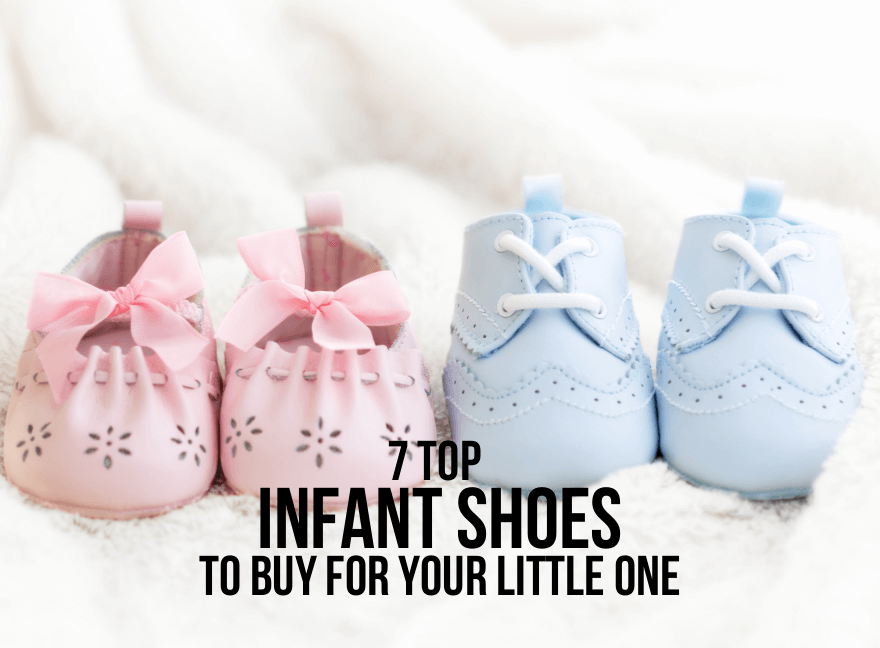
Those first tiny shoes are irresistible for photos, but your baby doesn’t actually need them for walking, and in the early months, shoes can do more harm than good for foot development.
There’s a common belief that putting shoes on a baby’s feet early helps them grow stronger and walk sooner. It doesn’t. Before your baby is walking confidently outdoors, bare feet (or just socks indoors) are genuinely the better choice.
Kendra Gagnon, a paediatric physical therapist and blogger at kendrapedpt.com, puts it well:
Barefoot is best. When babies are crawling, pulling to stand, cruising around the coffee table, and even starting to take those first few steps, they need to be able to flex their forefeet and toes. They also need as much sensory input as they can get in order to feel the floor underneath their feet and know where their feet are in relation to their body. A hard-sole shoe just doesn’t allow for that.
If you’re worried about flat feet or your baby’s arches not showing yet, try not to stress about it. Flat feet are completely normal up to around age 6 or 7. Babies are born with a fat pad on the sole of the foot that makes feet look flat, and the arch develops gradually as the muscles, ligaments and bones mature. Walking barefoot, on different textures where it’s safe to do so, actually helps this process along by letting the small muscles in the feet work properly.
So the short version is: keep your baby’s feet bare as much as you reasonably can, especially indoors. Save the shoes for when they’re actually needed, such as outdoor walks, daycare, or cold and rough surfaces. Below is a guide to sizing, what to look for, and some shoe options worth considering for different stages and situations. As always, if you have any concerns about your child’s gait, foot shape or walking development, it’s worth mentioning to your health visitor, GP or a paediatric podiatrist rather than guessing.
Infant Shoe Size Chart
Babies’ feet grow fast, often through two or three sizes in the first year alone, so it’s worth measuring every couple of months rather than assuming last season’s size still fits. A rough guide is below, but shoe sizing does vary a bit between brands, so always check the manufacturer’s own chart if you can.

A quick way to check fit at home: stand your baby up (or hold them steady) and press your thumb gently against the top of the shoe at the longest toe. You want roughly a thumb’s width of space, not tight, not swimming in it. Check width too, a shoe that’s long enough but too narrow will pinch just as much as one that’s too small.
What To Actually Look For In A Baby’s First Shoe
When your little one does need shoes, whether that’s for daycare, cold weather, or rough ground outside, the shoe should mimic bare feet as closely as possible rather than restrict them. A few things worth checking before you buy:
- A flexible, thin sole. You should be able to fold or twist the shoe easily in your hands. A stiff sole stops the foot flexing naturally.
- A wide toe box. Toes need room to spread out and grip, not be squashed into a narrow point.
- Lightweight materials. Heavy shoes drag on tiny legs and can affect balance.
- Breathable fabric. Leather or mesh uppers help avoid sweaty, irritated feet.
- Easy on and off. Elasticated tops, velcro or simple laces make life easier than fiddly buckles.
Avoid anything with a rigid arch support or built-up heel at this age. Babies don’t need “correcting” or support unless a health professional has specifically told you they do.
Infant Crib Shoes And Pre-Walkers
These aren’t really walking shoes at all, they’re soft-soled slippers, mostly for warmth and for looking adorable in photos. They’re fine for babies who aren’t yet weight-bearing or walking.
Freshly Picked Moccasin
These soft-sole moccasins are made from quality leather with reinforced stitching, so they hold up well to a lot of wear and washing. The elasticated top makes them easy to pull on, and they come in a huge range of colours and prints if you want something a bit more stylish than the usual baby shoe.
Robeez Crib Shoe
Robeez uses a breathable leather lining that helps keep little feet cool and dry, with an elasticated ankle for easy on and off. These carry the American Podiatric Medical Association (APMA) Seal of Acceptance, which is a reasonable indicator that a shoe supports healthy foot development rather than working against it.
Infant Walking Shoes
Once your baby is genuinely up and walking outdoors regularly, look for something with a bit more protection on the sole (for gravel, hot pavement, sharp bits) while still keeping flexibility and a wide toe box.
Vivobarefoot Primus Kids Shoe
Vivobarefoot designs specifically around barefoot principles, and this shoe uses a thin, breathable mesh upper with a wide foot shape. It’s light enough that it doesn’t interfere much with balance or sensory feedback, which makes it a solid option for outdoor wear once your child is walking confidently.
Stride Rite Baby Walker Shoes
Stride Rite shoes have a firmer sole than some barefoot-style brands, which some parents prefer for new walkers who need a bit more grip and structure on uneven ground. If your child has been barefoot at home and this is their first proper outdoor shoe, look for their more flexible walker styles rather than a stiffer toddler shoe, since a first shoe should still bend easily at the ball of the foot.
Infant Water Shoes
Water shoes are handy for beaches, pool decks, splash pads and rocky shorelines, mainly to protect little feet from hot sand, sharp stones and slippery surfaces rather than for any developmental reason.
Crocs Swiftwater Sandal
These are lightweight with a quick-drying mesh upper and a padded, non-slip sole. Sizing tends to run a little roomy, which is useful since feet swell slightly in heat and you get a bit of extra wear out of them before they’re outgrown. Like the Robeez above, these carry the APMA seal.
Keen Water Friendly Sandal
Keen’s water sandals dry quickly and hold up well to repeated dunking in pools, lakes or the sea. The closed toe gives extra protection against stubbed toes on rocks, and the elastic lacing means you’re not fiddling with wet straps on a wriggling toddler.
Infant Dress Shoes
For christenings, weddings or other special occasions, Little Things Mean A Lot makes soft-soled satin and cotton shoes designed to match christening gowns and formal outfits. They’ve been making this kind of occasion wear for decades, and because the soles are soft, they’re comfortable for a baby who isn’t walking yet, even if they look formal.
Other Baby Shoe Brands Worth Knowing
Happy Little Soles
A UK family business built entirely around barefoot-style footwear for babies and children. They stock a curated selection from several brands, so if you’d rather have one place to compare barefoot-friendly options by width and foot shape, it’s a useful starting point.
Soft Star Shoes
Handmade in Oregon, USA, Soft Star shoes are made to order, which means longer lead times but also more choice over colour and style. They focus on minimal, flexible soles designed not to interfere with natural foot movement, and the company has a strong reputation for quality and customer service.
Vivobarefoot
Vivobarefoot’s whole approach is built around letting feet function as naturally as possible, for adults and children alike. They’re vocal about the long-term risks of restrictive footwear in childhood, and their kids’ range reflects that with wide, flexible, thin-soled designs across the board.
Whatever you choose, remember that shoes are a practical necessity for specific situations, not something your baby needs to “build strong feet.” Bare feet do that job perfectly well on their own. Measure often, buy for the stage your child is actually at rather than what’s coming next, and if anything about their walking pattern or foot shape worries you, get it checked rather than relying on a particular shoe to fix it.
Share This Story, Choose Your Platform!


Latest Post

Latest News To Your Inbox
Subscribe to hear about our latest blog posts, competitions and special offers.