
Should I Make Formula in Advance? Exploring the Pros and Cons
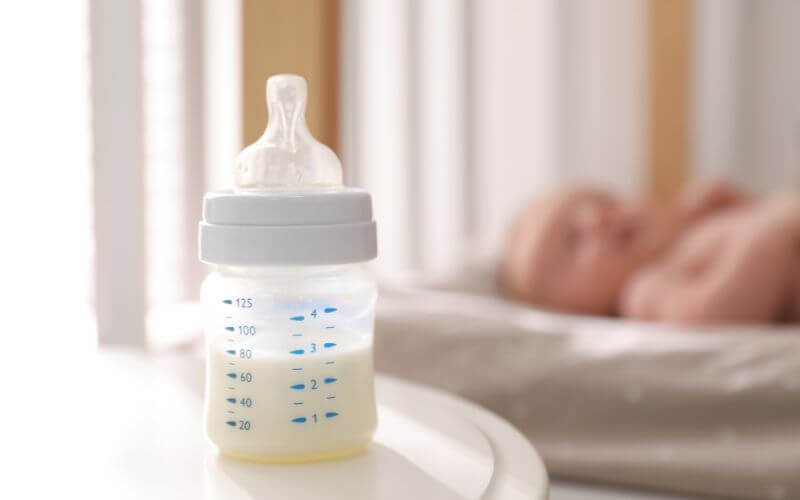
Hello, dear parents! If you’re reading this, you’ve likely found yourself in the midst of a common parenting conundrum: should you prepare baby formula in advance or mix it fresh every time your little one needs a bottle? This question can be a source of confusion and debate among caregivers, and there are valid reasons for both approaches. So, let’s dive deep into this topic together and examine the various aspects to help you make an informed decision that suits your family’s needs.
Introduction: Navigating the World of Formula Feeding
Formula feeding is a popular and effective way to nourish your baby when breastfeeding isn’t an option or a preferred choice. It provides essential nutrients for your baby’s growth and development, offering parents flexibility and peace of mind. The decision of whether to prepare formula in advance or on-demand is a common dilemma faced by formula-feeding parents. Let’s explore the pros and cons of each approach.
Part 1: The Case for Making Formula in Advance
1. Convenience That Counts
Time-Saving Delight
- Time-Saving: One of the primary advantages of preparing formula in advance is the time saved during those late-night or early-morning feedings. Having bottles ready to go can be a lifesaver when your baby is demanding nourishment at inconvenient hours.
- Less Stress: Being prepared in advance can significantly reduce stress. There’s no frantic rush to measure and mix formula when your hungry baby is crying. Instead, you can calmly grab a bottle and focus on comforting your little one.
2. Consistency is Key
Precise Measurements
- Precise Measurements: When you prepare formula in advance, you have the luxury of measuring the water and formula powder precisely according to the manufacturer’s instructions. This consistency ensures that your baby receives the correct ratio of nutrients with every feeding.
Steady Temperature
- Steady Temperature: Bottles stored in the refrigerator maintain a consistent temperature. This can be reassuring for babies who are sensitive to variations in milk warmth. Plus, it eliminates the need for additional heating or cooling steps.
Part 2: The Case Against Making Formula in Advance
1. Safety Concerns Loom
Bacterial Growth
- Bacterial Growth: One of the primary safety concerns associated with preparing formula in advance is the potential for bacterial growth. Prepared formula can become a breeding ground for harmful bacteria if not handled and stored properly. Bacteria multiply rapidly at room temperature, which is why it’s generally recommended to prepare bottles fresh.
Refrigeration Challenges
- Refrigeration Challenges: Refrigerated formula must be used within 24 hours to ensure its safety and quality. This time constraint can lead to waste if your baby doesn’t finish all the prepared bottles.
2. Formula Separation Stumbles
Separation Risk
- Separation Risk: Some formula brands tend to separate when stored for extended periods. This separation can affect the consistency and nutritional content of the formula, potentially impacting your baby’s intake.
Part 3: Finding the Right Balance
1. Mixing Options That Work
Powder and Water Separated
- Powder and Water Separated: To strike a balance between convenience and safety, consider carrying pre-measured formula powder in a separate container and mixing it with water when needed. This approach combines the convenience of pre-measured powder with the safety of freshly mixed formula.
Ready-to-Feed Options
- Ready-to-Feed Options: Some formula brands offer ready-to-feed bottles or liquid concentrate, which eliminate the need for mixing altogether. These can be convenient for travel or particularly busy days when you need a hassle-free solution.
2. Prepared Formula Storage Wisdom
Proper Storage
- Proper Storage: If you decide to prepare formula in advance, ensure proper storage in the refrigerator at temperatures between 32°F (0°C) and 40°F (4.4°C). Use prepared formula within 24 hours to guarantee its safety and quality.
Safe Handling
- Safe Handling: Follow strict hygiene practices when preparing, storing, and handling prepared formula to minimize bacterial contamination risks. This includes washing your hands thoroughly and using sterilized bottles and equipment.
Conclusion: The Choice Is Yours, Tailored to Your Family
In the end, the decision of whether to make formula in advance or on-demand depends on your family’s unique needs and circumstances. Convenience is undoubtedly a compelling reason to opt for preparing formula ahead of time. Still, safety and the potential for formula separation are valid concerns that lean toward on-demand mixing.
Consider adopting a flexible approach that combines the best of both worlds. Carry pre-measured formula powder and mix it with water when needed, especially during outings or when traveling. For home use, preparing formula in advance can be a time-saver, but it’s crucial to adhere to strict storage and handling guidelines to ensure your baby’s safety and health.
Remember that, in the realm of parenting, there’s no one-size-fits-all solution. What matters most is that your baby is well-fed, content, and cherished—whether you choose to prepare formula in advance or on-demand.
Share This Story, Choose Your Platform!


Latest Post


Latest News To Your Inbox
Subscribe to hear about our latest blog posts, competitions and special offers.