
5 Secrets for Taking Your Baby on a Long Road Trip
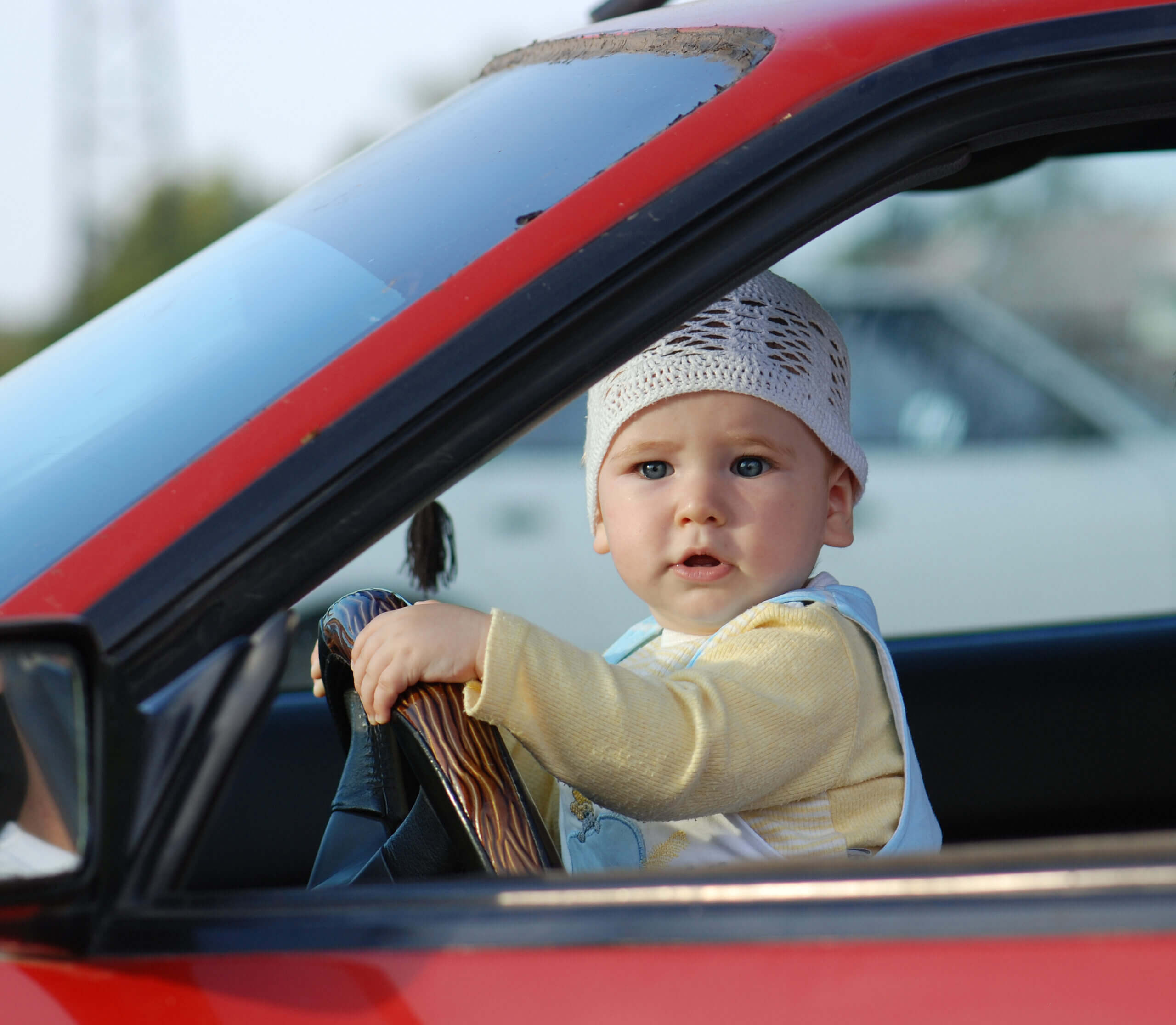
Taking a baby on a long road trip for the first time can feel daunting. Will she scream for three hours straight? Will you end up stuck at a petrol station at 2am with a nappy explosion and no wipes? It’s normal to worry about all of this, but with a bit of planning, most families find it goes far more smoothly than they expected. Here are five practical things that genuinely make a difference.
1. Get Realistic About What “Going Well” Actually Looks Like
There will be crying at some point. There will be at least one nappy change that happens somewhere awkward, like the boot of the car with the door as a windbreak. You might get a few looks from other drivers or service station customers if your baby is having a moment. None of that means the trip is a disaster or that you’ve done something wrong.
If this is your first proper trip with a baby, it can help to do a short practice run first, an hour or two in the car, before you commit to a six hour drive. That way you find out what actually unsettles your baby (heat, hunger, an overtired meltdown, a sock that’s come off) before you’re miles from home. Babies are generally more adaptable than parents expect, especially in the first year before they’re mobile and want to be out of the car seat exploring.

2. Time the Drive Around Your Baby’s Sleep, Not the Other Way Round
If your baby has a predictable long sleep stretch, whether that’s an overnight sleep or a solid daytime nap, try to plan your driving around it. Some parents find leaving in the early evening, just before bedtime, works well because the baby settles into a long sleep and you get several hours of quiet driving.
A few things worth thinking through before you rely on a night drive:
- Whoever is driving needs to be properly rested beforehand. Driving tired to fit around a baby’s sleep isn’t a fair trade if it puts you at risk of dozing off. If you’re not confident you can stay alert, stick to daytime driving with more frequent stops instead.
- Fill up with fuel, check tyre pressure and do any other checks before you set off, so you’re not forced to pull into a garage the moment your baby has finally dropped off.
- Pack a small bag within arm’s reach of the front seat with things you might need without stopping: dummy, muslin cloth, spare bottle if you’re not breastfeeding, and something for you to snack on.
Charge phones, tablets and any music devices the night before, and download a few playlists, audiobooks or podcasts in case you lose signal. It’s also worth checking your baby’s car seat is fitted correctly and rear facing (as required for babies) before a long trip, not just glancing at it. If you’re unsure, some fire stations, police stations or baby shops offer free car seat checks.
3. Stop Every Two Hours or So, Even If Baby Is Asleep
This is as much about you as your baby. Long stretches behind the wheel dull your concentration, and a baby left in a car seat for too long without a break isn’t ideal either. As a rough guide, aim to stop roughly every two hours, or sooner if your baby is unsettled, needs feeding, or has a nappy that can’t wait.
Health visitors and car seat manufacturers generally advise against leaving very young babies in a car seat for more than about two hours at a stretch, since the semi-upright position can affect their breathing over long periods. If you’ve got a long day of driving ahead, build in proper stops where your baby comes out of the seat entirely, not just a quick fuel stop where they stay strapped in.

Have a rough idea of where you’ll stop before you leave, rather than hoping something will turn up. Service stations with baby changing facilities, or parks and picnic areas if the weather’s decent, both work well. Motorway apps and route planners will often show you what’s along your route so you’re not guessing at 5am in an unfamiliar area.
4. Sort Feeding Out Properly, for Both of You
Try to time meal and milk breaks for when your baby is naturally awake and hungry, rather than forcing a feed to fit your schedule. If the weather’s on your side, a blanket on the grass at a services or a park is often more relaxing than trying to keep a wriggly baby quiet in a cafe, and it gives more privacy if you’re breastfeeding.
If you’re using expressed milk or formula, a decent cool bag with ice packs will keep bottles safely chilled for several hours in the car. To warm a bottle on the road, running it under warm water from a service station bathroom tap works fine, just always test the temperature on the inside of your wrist before offering it, and never microwave a bottle, since it can heat unevenly and scald your baby’s mouth even if the outside feels okay.
Pack more snacks and water than you think you’ll need, for yourself as much as your baby. Hungry, dehydrated parents make worse decisions and get irritable faster, which never helps a stressful moment in the car.
5. Keep Baby Entertained, Especially Once They’re a Bit Older
Very young babies, especially those still rear facing, can’t see much out of the window and will get bored and fussy with nothing to look at. A soft toy that clips onto the car seat handle, a small activity mat for stops, or a mirror that lets them see your face from the back seat can all help.
Reading aloud, singing nursery rhymes, or playing gentle music are all worth trying too, and cost nothing. As your baby gets older and can hold things, a few small toys kept in a bag specifically for the car (not their usual toys) can feel novel and hold attention for longer. Rotate them every so often on longer trips so nothing gets boring too quickly.
One safety note worth mentioning: avoid hanging anything heavy, on a long cord, or with small detachable parts near your baby’s car seat, and never let your baby hold anything while the car is moving that could be a choking risk if you hit a bump. If in doubt, ask your health visitor or check current car seat safety guidance for your baby’s age and stage.
If you enjoyed this article, read our other piece on traveling with baby: “9 Tips for Planning a Long Road Trip with Baby“
Share This Story, Choose Your Platform!

Latest Post


Latest News To Your Inbox
Subscribe to hear about our latest blog posts, competitions and special offers.