
Confessions of Sleep Deprived Parents
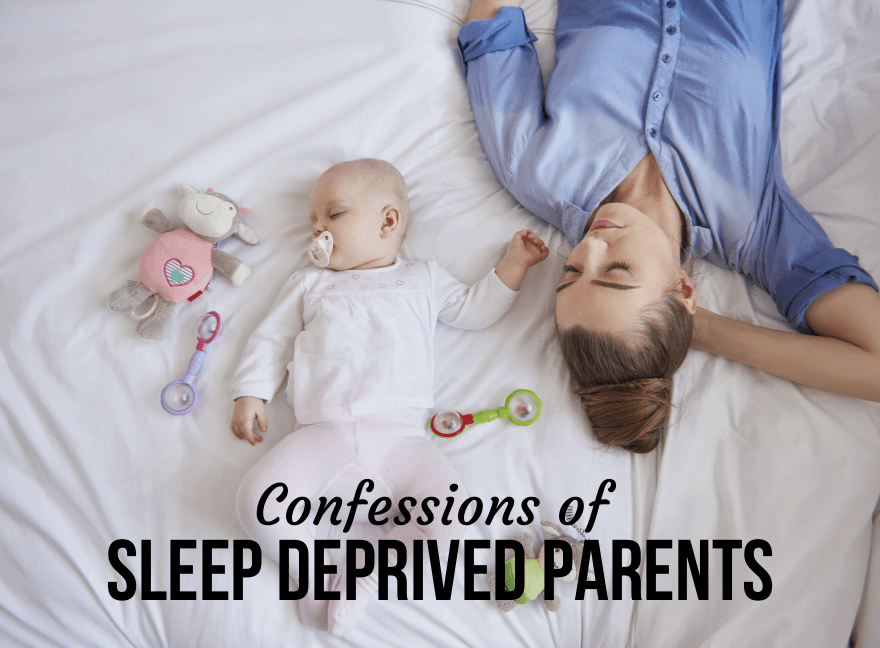
If you’re reading this through half-closed eyes with a cold cup of tea going lukewarm beside you, welcome. This one’s for you. Sleep deprivation is one of those parts of parenting that nobody quite prepares you for. You can read every book, watch every video, and still be blindsided by exactly how tired “tired” can get once a small person moves into your life and decides sleep is optional.
The good news is that almost every parent goes through this, and there are things that genuinely help, both with coping through the fog and with keeping everyone safe while you’re running on empty. So here are ten very real confessions from the sleep-deprived trenches, along with the practical bits that actually make a difference.
Confession #1: The Midnight Symphony
Newborns make an astonishing range of noises: grunts, squeaks, snuffles, the occasional full-volume cry that seems too big for such a small body. Most of this is completely normal. Babies breathe noisily and move around a lot in their sleep because their nervous systems are still maturing, and a lot of what sounds like distress is actually just them cycling through light sleep.
If you’re finding the noise genuinely impossible to sleep through, a few things help. Room-sharing (not bed-sharing) with your baby for the first six months is what current UK guidance recommends, partly because it’s linked to a lower risk of SIDS, but it does mean you hear every squeak. A cot positioned a little further from your side of the bed, or a white noise machine set at a safe, low volume away from the cot, can take the edge off without you missing a genuine cry. If the crying pattern suddenly changes, becomes higher-pitched, or your baby seems unwell alongside it, that’s worth a call to your health visitor or GP rather than something to sleep through.
Confession #2: The Nap-Time Ninja
You tiptoe out like you’re defusing a bomb, and the second your foot hits the landing, you hear it: the little grumble that means the mission has failed. This isn’t bad luck. Babies’ sleep cycles are much shorter than adults’, often only 20 to 45 minutes, and the transition between cycles is exactly when they’re most likely to stir. If they wake at that point rather than settling into the next cycle, the nap ends early.
A few practical fixes: try to put your baby down already drowsy rather than fully asleep, so they learn to link sleep cycles themselves. Keep the room slightly dim and at a steady temperature, since a sudden change in light or temperature is a common trigger for early waking. And if naps are consistently short, it can sometimes mean your baby is overtired or undertired for their age. Watching their “wake windows” (the gap between naps that suits their age) can make naps longer and easier, and your health visitor can talk you through age-appropriate timings if you’re not sure.
Confession #3: The Art of Bargaining
Sleep-deprived parents will promise anything to the universe at 2am. More vegetables, fewer arguments, a genuine attempt at learning French, all on the table if the baby will just settle. It’s funny because it’s true, but it also points to something worth taking seriously: the mental load of night wakings needs sharing, not just surviving.
If you have a partner, a simple “shift system” makes a real difference: one of you takes the first half of the night, the other takes the second, so each person gets one proper stretch of unbroken sleep rather than both of you being woken every single time. If you’re breastfeeding, expressing a bottle for a partner or family member to give overnight, even just once, can buy you a longer sleep window. Solo parenting through the night is harder to split, so lean on any support you have, whether that’s a relative taking a morning shift so you can nap, or simply lowering your expectations of what “getting through the day” needs to look like.
Confession #4: The Dark Circles Chronicles
Concealer becomes a genuine survival tool, and there’s no shame in it. But it’s worth being honest with yourself about what chronic sleep deprivation is actually doing beyond the way you look. Long stretches of broken sleep affect your immune system, your mood, your patience, and your ability to concentrate, which is exactly why this stage feels so relentless.
Small things help more than they sound like they should: getting outside in daylight for even ten minutes, eating regular meals rather than skipping them, and drinking enough water. If you notice the exhaustion tipping into something heavier, low mood most of the time, feeling numb, tearful, anxious, or like you can’t cope at all, that’s not just tiredness anymore. Postnatal depression and anxiety can affect any parent, not only mothers, and it’s genuinely common. Please mention it to your GP or health visitor. There’s a lot of support available, and reaching out early makes a real difference.
Confession #5: The 3am Brain Fog
Losing your train of thought mid-sentence, calling your child by the dog’s name, forgetting why you walked into a room, this is textbook sleep-deprived brain fog, and pretty much every exhausted parent has been there. It’s your brain running on far less deep sleep than it needs to consolidate memory and process the day.
The one place this genuinely matters beyond the mild embarrassment is driving. Fatigue slows reaction times in a similar way to alcohol, and drowsy driving is a real risk that’s easy to underestimate when you’re used to being tired. If you’re feeling that heavy-eyed, drifting-off kind of tired, it’s worth avoiding long drives where possible, or at least pulling over for a proper break rather than pushing through. It’s also worth being extra careful with anything involving hot drinks, hobs, or stairs while carrying your baby when you’re running on fumes.
Confession #6: The Dance of Exhaustion
The involuntary sway in the supermarket queue, the gentle bounce while waiting for the kettle, the rocking motion that kicks in even when your arms are empty: your body has genuinely rewired itself to soothe a baby who isn’t there. It’s a strangely lovely side effect of exhaustion, and it usually fades naturally once the intense newborn stage passes.
Confession #7: The Power of a Yawn
A yawn between exhausted parents says more than a full conversation could. It’s solidarity, sympathy, and a shared understanding all in one breath. If you’re deep in this stage, know that the yawning, the heavy eyelids, the constant low hum of tiredness, all of it is sleep debt building up, and sleep debt is real. It doesn’t vanish overnight, but it does ease as your baby’s sleep matures and stretches lengthen, usually somewhere across the first year, though every baby is different and there’s no fixed timeline to measure yourself against.
Confession #8: The Midnight Snack Adventures
Cold pizza at 2am, half a sleeve of biscuits while pacing the hallway, it happens, and it’s not the end of the world occasionally. But tiredness does tend to push us towards sugar and caffeine, which can backfire. A big caffeine hit late in the day can chip away at whatever sleep opportunity you do get, and a sugar crash a couple of hours later can leave you feeling worse, not better. Where you can, try to keep a small stash of easy, steadier snacks, oat cakes, nuts, a banana, so you’re not relying purely on sugar to get through the night shift.
Confession #9: The “I Miss My Bed” Blues
Nothing quite prepares you for missing your own bed the way new parenthood does. One thing worth being honest about here: when you’re this tired, it’s very easy to end up feeding or settling your baby on a sofa or in an armchair, especially in the small hours, and to accidentally fall asleep there together. This is actually one of the higher-risk sleep situations for babies, more so than a well-set-up cot or Moses basket. If you think there’s any chance you might drift off, it’s safer to feed sitting up in bed with pillows well out of the baby’s reach, or to put your baby down in their own safe sleep space the moment you feel yourself fading, rather than risking both of you nodding off on the sofa.
Beyond safety, try to protect whatever sleep window you do get. It’s tempting to scroll your phone for twenty minutes once the baby’s finally down, but that twenty minutes is often the difference between one sleep cycle and none. Keeping the room dark, your phone out of reach, and going straight to sleep when you get the chance pays off more than it feels like it will in the moment.
Confession #10: The Unconditional Love
Even on the worst nights, most parents will tell you the love outweighs the exhaustion, and that’s not just something people say to make the hard bits sound better. It’s just true, most of the time, for most people. That said, love and exhaustion aren’t opposites, and you’re allowed to feel both fiercely devoted to your baby and absolutely wrecked at the same time. That’s not a contradiction. It’s just what this stage looks like.
If the tiredness ever tips from “hard but manageable” into feeling frightening, overwhelming, or like you genuinely can’t function, please talk to your GP, midwife or health visitor. You don’t need to wait for a crisis point to ask for support, and there’s no medal for struggling through in silence.
So here’s to you, sleep-deprived and doing your best. May your coffee be strong, your naps be longer than twenty minutes, and may you find at least one person this week to trade a knowing, bleary-eyed smile with. You’re doing better than you think.
Share This Story, Choose Your Platform!


Latest Post


Latest News To Your Inbox
Subscribe to hear about our latest blog posts, competitions and special offers.