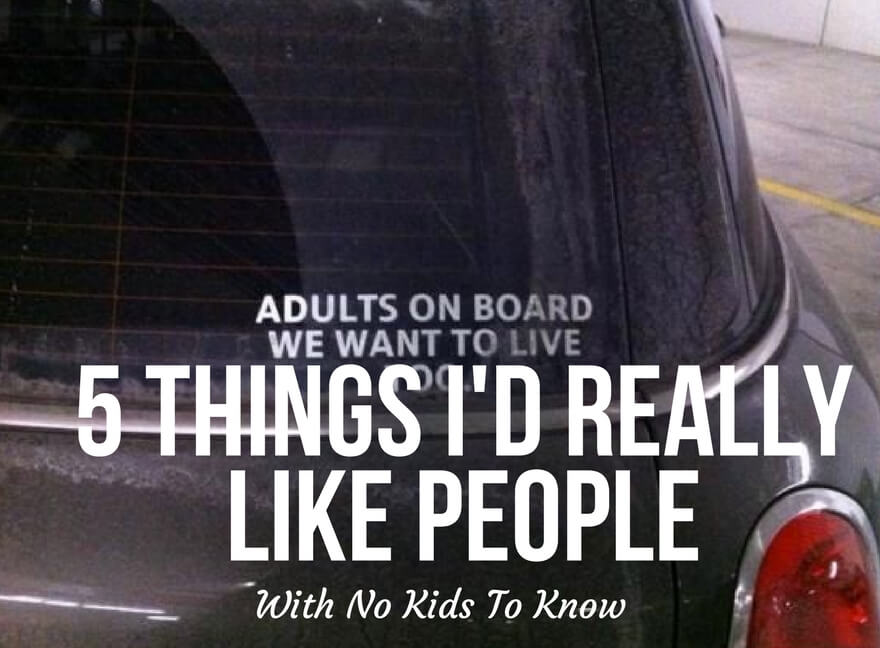
5 Things I’d Really Like People With No Kids To Know
If you’ve had a baby in the last few years, you’ll know there’s no shortage of articles telling you what you “should have known” before kids arrived. Most of them are written with good intentions, but honestly, a lot of them just sound like scare tactics. “Enjoy sleep now, because you’ll never sleep again!” “Say goodbye to your social life!” It’s exhausting, and it’s not always true. Plenty of parents still sleep, still see friends, and still have a life. It just looks different.
That said, there are some genuine truths buried under all the doom-mongering. Life with children really does change in ways that are hard to picture until you’re living it. So this isn’t a warning. It’s more of an honest, slightly funny, hopefully useful list of things I’d love my childfree friends and family to understand, not so they panic, but so they get why I sometimes cancel plans, answer texts three days late, or seem oddly thrilled about a solo trip to the supermarket.
1. Errands used to be simple. Now they’re a military operation
Before kids, running errands meant grabbing your keys and going. Bank, shop, post office, done in under an hour. These days, the same trip involves packing a change bag, checking nap times, wrestling a car seat, unfolding and refolding a buggy, and hoping nobody has a meltdown in the queue.
It’s not that parents can’t leave the house. It’s that “popping out” now takes planning most people reserve for actual holidays. If a friend with a toddler tells you they need 20 minutes’ notice before you drop round, or that they’d rather meet you somewhere with a car park close to the entrance, it’s not fussiness. It’s just what the logistics look like now.
2. Sleep is no longer something you can take for granted
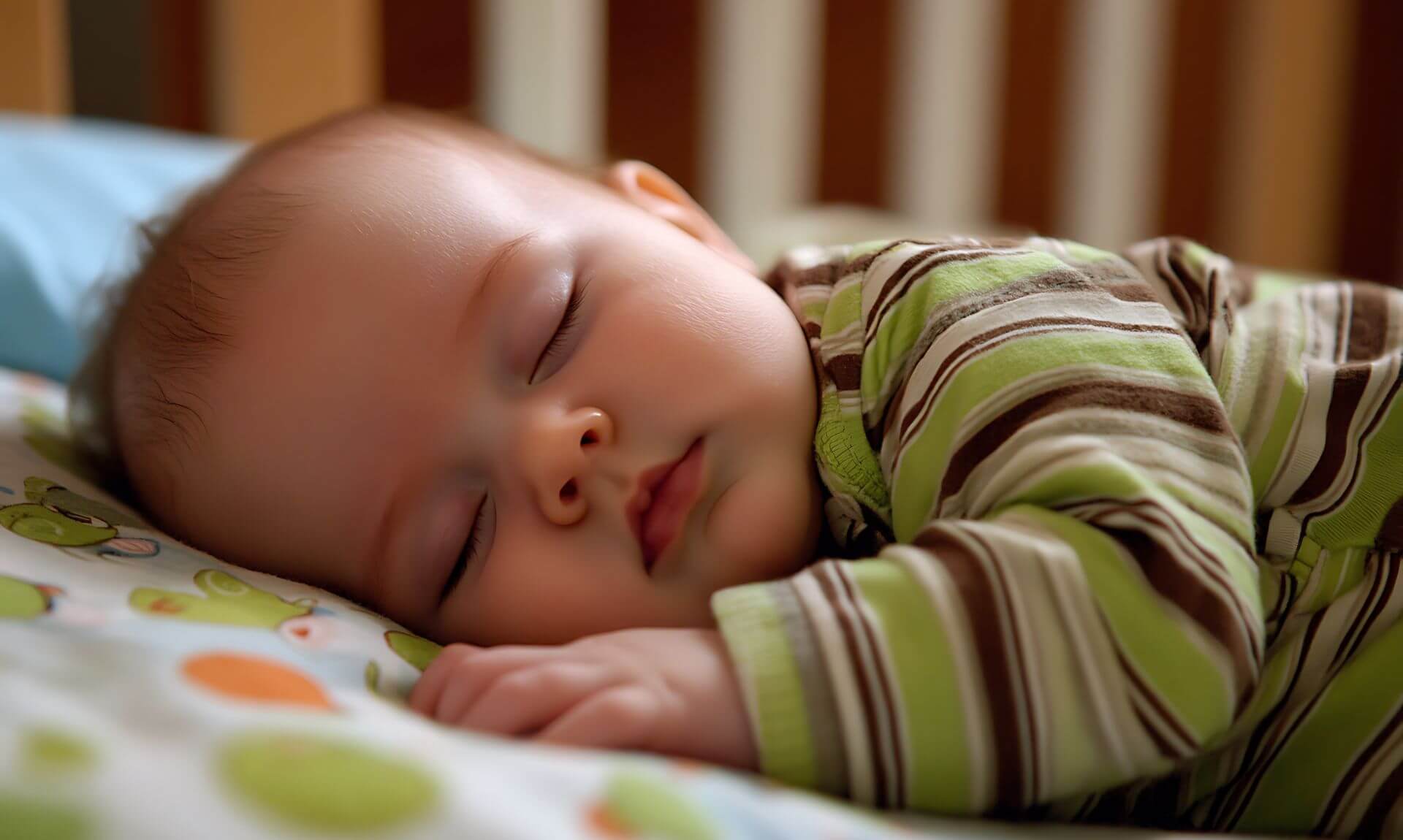
Lie-ins, sleeping through your alarm, going back to bed on a lazy Saturday: enjoy all of it while you can. Newborns wake through the night because their tiny stomachs need feeding every few hours, and that pattern can take months to settle. Even once a baby is sleeping longer stretches, there are teething weeks, growth spurts, sleep regressions and illnesses that turn it all upside down again.
If your friends with young children look permanently tired, they probably are. It’s worth knowing that health visitors and GPs are a genuinely useful resource if sleep becomes a real struggle, rather than just something to grit your teeth through. There’s no need to just “push through” exhaustion that’s affecting your ability to function or your mental health.
3. A relaxed phone call with a friend becomes a rare event
Remember calling someone just to chat, no interruptions, no background noise, no one climbing on you mid-sentence? That’s a luxury now. Phone calls with young kids around often happen in three-minute bursts between requests for snacks, referee duty over a toy dispute, or someone needing the toilet urgently.
If you want to actually catch up properly with a parent friend, it can help to ask when’s a good time rather than calling out of the blue. Nap time, after bedtime, or during a school run pickup window often works better than a random Tuesday afternoon. A quick voice note they can listen to later is sometimes easier for them to manage than a live call too.
4. Evenings out get replaced by “the witching hour”
Happy hour used to mean drinks after work. With young children, the same time of day often means dinner, bath and bedtime all happening at once, usually while everyone is tired and a bit fractious. Parents call this stretch “the witching hour” for a reason: it’s when small children seem to unravel all at once.
This doesn’t mean parents don’t want to socialise anymore. It usually means the timing needs to shift, an early dinner rather than a late one, or a get-together on a weekend afternoon instead of a weeknight. If a parent friend keeps declining evening plans but says yes to a Saturday morning coffee, that’s not them being antisocial. It’s just working around a schedule that isn’t really theirs to control right now.
5. Eating a meal in peace becomes something to actively look forward to
Meals with young children rarely involve sitting down and simply eating. There’s cutting up food, wiping up spills, coaxing someone to try one more bite of vegetables, and getting up half a dozen times before you’ve had more than two forkfuls yourself. Plenty of parents eat their own dinner cold, standing at the counter, after everyone else has finished.
It genuinely does get easier as children get older and can manage more of mealtimes themselves, but in the early years, “eating a meal while it’s still hot” is a small luxury that gets appreciated all over again.
Why any of this matters
None of this is meant to put anyone off having children, or to make childfree friends feel like they’re being told off for not understanding. Most parents don’t want sympathy, they just want a bit of patience and flexibility from the people who care about them. A short notice cancellation, a late reply to a text, or a “can we do brunch instead of dinner” isn’t a sign of a friendship cooling off. It’s usually just parenting getting in the way, temporarily, of the small everyday things that used to be effortless.
And for what it’s worth, most parents will tell you the trade-off is worth it, even on the days it doesn’t feel that way. Every family and every child is different, so if you’re a new parent struggling with sleep, feeding, or your own wellbeing, it’s always worth having a chat with your health visitor, GP or midwife rather than just assuming it’s something you have to muddle through alone.
Share This Story, Choose Your Platform!


Latest Post

Latest News To Your Inbox
Subscribe to hear about our latest blog posts, competitions and special offers.