
How To Go Holiday Shopping With Baby
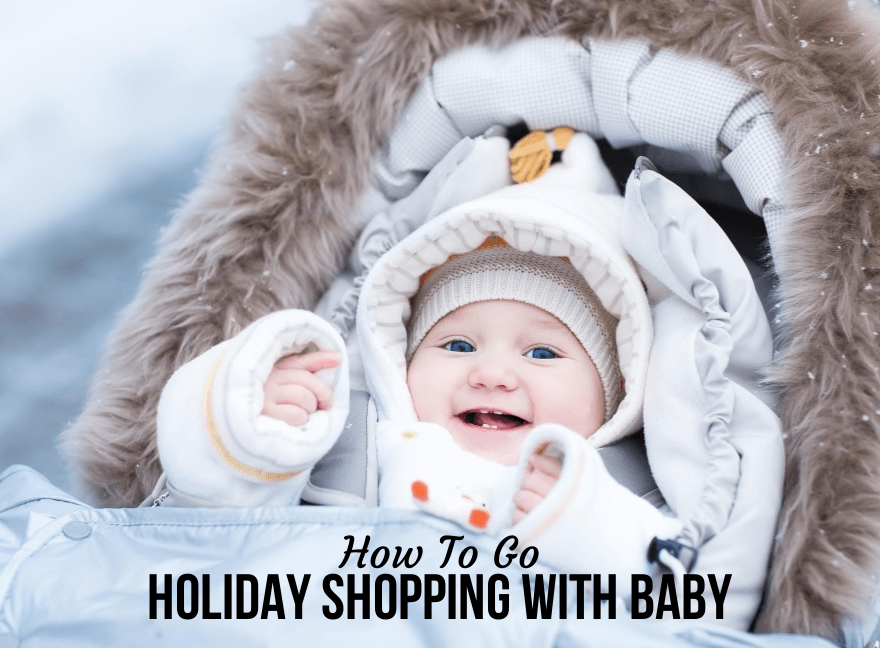
Christmas shopping with a baby strapped to you or parked in a buggy is a completely different sport to the shopping trips you did before you had kids. It can absolutely be done, and plenty of parents do it every year, but it goes a lot smoother if you plan around your baby’s routine rather than trying to force your baby to fit around your to-do list.
Here’s a proper, practical guide to getting your holiday shopping done with a baby in tow, without the whole trip turning into a meltdown (yours or theirs).
Plan Around Your Baby, Not Against Them
The single biggest thing that makes or breaks a shopping trip with a baby is timing. Most babies have a window, usually mid-morning after a feed and a good sleep, when they’re at their most content. That’s your golden hour. Trying to squeeze in a shopping trip right before a nap, or when you know they’re due a feed in twenty minutes, is setting yourself up for a hard time.
A few things worth doing before you even leave the house:
- Write a proper list before you go, including who you’re buying for and roughly what you’re after. Decision fatigue hits faster with a baby fussing in the background, so the less browsing you need to do in-store, the better.
- Check opening hours and try to go early on a weekday morning if you can. Weekends in December, especially the two or three weekends before Christmas, are genuinely miserable with a baby. Crowds, queues, and no space to get a buggy through.
- Ring ahead or check online if you’re not sure whether a shop or shopping centre has a parent and baby room, lifts (not just escalators, which aren’t buggy friendly), and accessible changing facilities.
- If your baby is very young, still a newborn or under about three months, it’s worth having a quick think about crowds and illness. Cold and flu season overlaps with the Christmas shopping rush, and busy indoor centres mean a lot of coughing strangers in close quarters. If you’re at all unsure, it’s worth a quick chat with your health visitor or GP about what feels sensible for your baby’s age and health.
What To Actually Pack
You don’t need to bring the entire nursery, but a few things genuinely earn their place in the bag:
- Nappies and wipes, more than you think you’ll need. A good rule of thumb is one nappy per hour you’re out, plus a couple of spares.
- A full spare outfit, including socks. Nappy leaks and sick happen at the worst possible times, usually in the middle of a shop with no changing room in sight.
- Milk or snacks, ready to go rather than needing prep. If you’re bottle feeding, pre-measured formula in a dispenser and a flask of hot water (or ready-made cartons) save a lot of faff.
- A muslin or two, useful for everything from wiping up sick to shading their eyes from bright shop lighting.
- A dummy or comforter if your baby uses one, plus a spare in case one gets dropped and needs replacing on the spot.
- Hand sanitiser, both for your baby’s hands (they touch everything) and for wiping down trolley or buggy handles.
- Your phone charged up, and ideally a portable charger. You’ll want it for contactless payments, click and collect confirmations, and the inevitable photo of your baby staring at Christmas lights.
One safety note worth mentioning: if it’s cold and you’re tempted to throw a blanket over the buggy hood to keep the wind out, be careful. Draping thick fabric right over the front of a pram or car seat can trap heat and restrict airflow, which isn’t safe. A proper buggy rain cover or footmuff designed for the job is a much better bet than improvising with blankets.
Babywearing Or Buggy? Weigh Up What Actually Suits The Trip
Both have their place, and a lot of parents end up doing a bit of both depending on the day.
Babywearing keeps your hands free for carrying bags, trying on clothes, and navigating tight aisles or escalators (never take a buggy on an escalator, always use a lift). It also keeps your baby close, which tends to keep them calmer in noisy, busy environments. Just be sensible about the carrier you use, make sure it’s supporting your baby’s hips and spine properly, and be aware that carrying a baby for hours will tire your back out faster than you’d expect, especially once they’re past six or seven kilograms.
A buggy is better for longer trips, for carrying shopping bags underneath, and for giving your arms a break. Go for something you can fold and steer one-handed if possible. Before you head out, it’s worth checking whether the shops or shopping centre you’re heading to actually have wide enough aisles and lifts, some older shopping streets and boutique shops genuinely can’t accommodate a full-size buggy.
Feeding On The Go
If you’re breastfeeding, most large shopping centres and department stores now have parent and baby rooms, and legally in the UK you’re entitled to breastfeed anywhere you’re allowed to be, so don’t feel you need to hunt for a hidden corner if you don’t want to. A cafe with a bit of a quiet corner works just as well as a dedicated room for a lot of mums.
Whatever feeding method you’re using, try to time a feed to happen just before you head into the busiest part of your trip, and have a backup snack or bottle ready in case things run over. A hungry baby and a long queue at the till is not a combination you want.
Keeping Them Settled While You Shop
Christmas shops are genuinely stimulating for babies, all the lights, colours, and music, so you don’t necessarily need to work hard to entertain them. That said, a couple of small tricks help:
- Bring one or two small, familiar toys rather than anything new or noisy. New toys are for opening at home, not for testing patience levels in a queue.
- Narrate what you’re doing. Talking through what you’re looking at, pointing out decorations, describing colours, keeps babies from four or five months up engaged and calmer than sitting in silence.
- If your baby is a bit older and mobile, or close to it, keep them in the buggy or carrier in busy shops rather than letting them explore on foot. Christmas displays are full of breakable, grabbable things at exactly toddler height.
Give Yourself An Out
Don’t plan a marathon shopping day with a baby. Realistically, most babies have a limit of an hour or two of being out and about before they’ve had enough, and pushing past that tends to end badly for everyone. Break your list into smaller trips rather than trying to do it all in one go.
It’s also worth doing as much as you sensibly can online before you even leave the house. Click and collect is genuinely useful here, you can order online and just pop in to pick things up, which cuts down on the time you need to spend browsing with a fractious baby. Save the in-person trips for the things you actually need to see in person, like clothes sizing or picking out something specific for a partner or grandparent.
And build in a proper break for yourself. A coffee and five minutes sitting down make a real difference to how you cope with the rest of the trip. You’re not failing at anything by needing a rest, you’re just being sensible.
After The Trip
Whether it went smoothly or was a bit of a scramble, it’s worth marking the end of it. A snack, a bit of playtime, a warm bath, whatever your version of a wind-down is. Shopping with a baby is tiring in a way that shopping alone never was, so don’t feel odd about needing to recover afterwards too.
None of this needs to be perfect. Some trips will go brilliantly and your baby will nap through the whole thing. Others will involve an unexpected nappy explosion in the middle of a department store with no changing table in sight (it happens to everyone eventually). Either way, a bit of planning, a well packed bag, and realistic expectations will get you through the Christmas shopping season in one piece.
Share This Story, Choose Your Platform!
Latest Post

Latest News To Your Inbox
Subscribe to hear about our latest blog posts, competitions and special offers.