What Will My Baby Look Like?

Hey there, fellow parents and soon-to-be parents! One of the most exciting and curiosity-filled moments during pregnancy is wondering what your baby will look like. As a parent myself, I remember those days of anticipation and excitement, eagerly imagining the face of the little one growing inside me. Now, I’m here to guide you through the fascinating journey of baby’s appearance, from genetic factors to how their features change over time. So, grab a cozy spot and join me as we delve into the world of baby aesthetics!
The Genetic Blueprint: What’s in the Genes?
Before your baby makes their grand entrance into the world, they inherit a genetic blueprint from both you and your partner. This genetic mix determines many aspects of their appearance, from hair color to eye shape. Let’s break down some key factors:
1. Hair Color
- Dominant vs. Recessive: Hair color genetics are a blend of dominant and recessive genes. If you and your partner both have brown hair, your baby is likely to have brown hair as well. But surprises can happen if hidden recessive genes pop up.
- Red Hair: The gene responsible for red hair is recessive, so if both you and your partner carry this gene, there’s a chance your baby could be a fiery redhead.
2. Eye Color
- The Melanin Magic: Eye color is determined by melanin levels in the iris. Brown eyes have more melanin, while blue eyes have less. Your baby’s eye color depends on the combination of your and your partner’s genes.
- Hazel and Green Eyes: These colors often result from more complex gene interactions, and it can be intriguing to see which traits dominate.
3. Skin Tone
- Variety of Shades: Skin color is influenced by a complex interplay of multiple genes. The skin tone of your baby can range from fair to dark, depending on your respective genetic backgrounds.
- Ethnic Heritage: Consider the ethnic heritage of both sides of your family, as it can strongly influence your baby’s skin tone.
4. Facial Features
- Family Resemblance: Your baby might inherit certain facial features, such as the shape of the nose or the curve of the lips, from you or your partner. Family traits often surface here.
- Unique Combinations: Even if your baby shares some traits with you or your partner, the unique combination of features can make them look entirely distinct.
5. Hair Texture
- Straight or Curly: The texture of your baby’s hair can also vary. Genes dictate whether it’s straight, curly, or somewhere in between.
- Wavy or Frizzy: As your baby grows, you might notice changes in their hair texture, making it wavier or slightly frizzy.
The Ever-Changing Face of Baby
Your baby’s appearance doesn’t stay the same; it evolves over time. Let’s explore these transformations:
1. Newborn Features
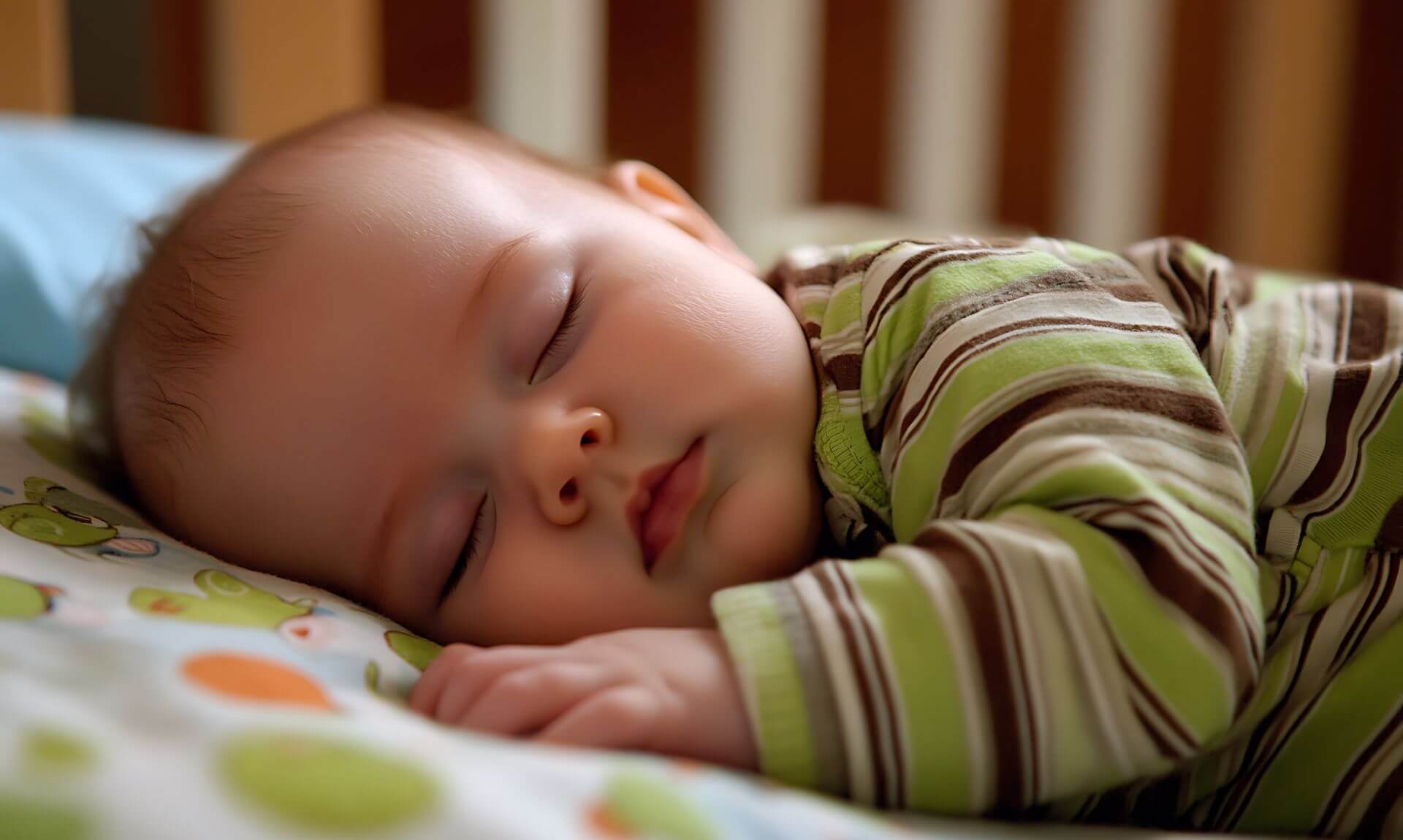
- Squishy and Soft: Newborns often have rounded, squishy faces with soft, fine hair called lanugo. Their eyes might appear bigger in proportion to their tiny faces.
- Fluid Facial Appearance: Newborns often have fluid-filled cheeks that can change their facial appearance.
2. First Months
- Growth Spurts: Babies go through rapid growth, and their features start to become more defined. You’ll notice changes in their facial structure as they grow.
- Chubby Cheeks: Many babies develop chubby cheeks in their first few months, which can give them an adorable, cherubic look.
3. Teething and Expressions
- Teething Times: As your baby starts teething, they might develop rosy cheeks and chew on their fingers. Their expressions become more varied and animated.
- Expressive Eyes: Pay attention to your baby’s eyes; they often become more expressive and communicative as they grow.
4. Toddlerhood
- Developing Personality: Toddlers’ faces reflect their budding personalities. They’ll show a wide range of emotions through their expressions.
- Growing Independence: Your toddler’s appearance may change as they become more independent and start asserting their preferences.
5. Changes in Hair and Eyes
- Evolving Hair: Your baby’s hair may change in texture and thickness as they grow. For instance, that fine, newborn hair might become thicker and even change color.
- Eye Color Shifts: Don’t be surprised if your baby’s eye color changes during the first year. Many babies start with blue or gray eyes, which can evolve into their permanent color.
The Beauty of Uniqueness
Every baby is unique, and their appearance is a beautiful reflection of their individuality. Here are some factors to embrace:
1. Birthmarks and Features
- Unique Marks: Your baby might have birthmarks or unique features that make them one-of-a-kind. These characteristics can add to their charm.
- Port-Wine Stains: Some birthmarks, like port-wine stains or stork bites, are temporary and may fade over time.
2. Heritage and Diversity
- Celebrate Diversity: Embrace your baby’s heritage and the diversity of their appearance. It’s a wonderful blend of family traits and cultural backgrounds.
- Blended Features: If you and your partner come from different cultural backgrounds, your baby’s appearance may showcase a beautiful blend of those features.
3. Changing but Constant
- Love Unconditionally: Your baby’s appearance may change, but your love for them remains constant. Cherish every stage of their growth.
- Unique Journey: Remember that the journey of your baby’s appearance is as unique as they are. Celebrate every milestone and change.
Capturing the Moments
As you embark on this incredible journey of parenthood, remember to capture these precious moments. Take plenty of photos to document your baby’s changing appearance. You’ll look back with fondness at those early days and marvel at how quickly your little one has grown.
In the end, what your baby looks like is just the beginning of their amazing story. As they grow, you’ll discover the true beauty that lies within their unique personality and the love they bring to your life.
Share This Story, Choose Your Platform!
Latest Post

Latest News To Your Inbox
Subscribe to hear about our latest blog posts, competitions and special offers.