
Baby Milestones and Red Flags to Watch Out for
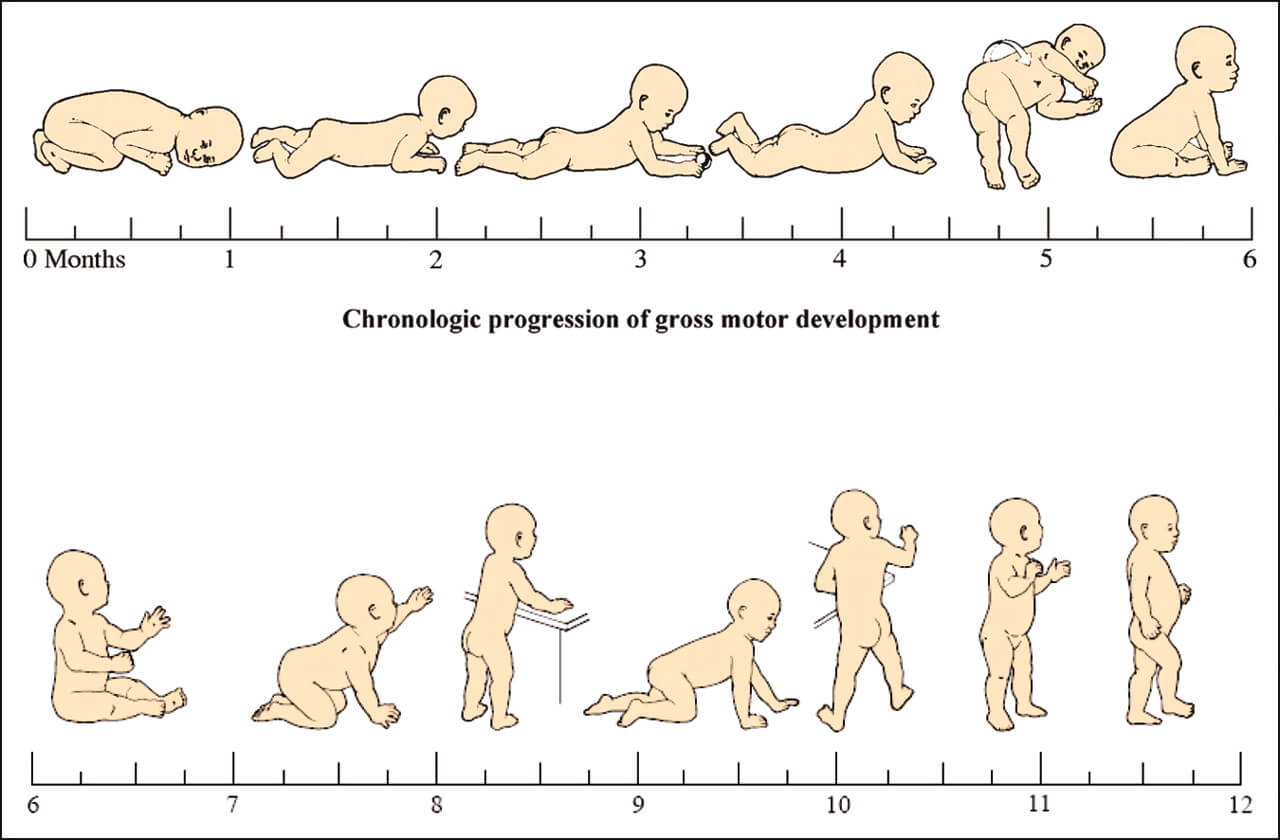
Watching your baby hit new milestones is one of the best parts of those early years. But it’s also easy to fall into the trap of comparing your baby to the one down the road, or to whatever chart you found at 2am on your phone. Every baby develops at their own pace, and there’s a genuinely wide range of “normal”. That said, there are some general patterns worth knowing, along with signs that suggest it’s worth having a chat with your GP, health visitor or paediatrician. Nobody expects you to diagnose anything yourself. This is just so you know what to keep an eye on.
One quick note if your baby was born prematurely: doctors usually look at your baby’s “corrected age” (their age counted from their due date, not their actual birth date) when assessing milestones, at least for the first couple of years. So don’t panic if a baby born six weeks early is a bit behind a baby born on time. Ask your health visitor if you’re not sure how this applies to your child.
Birth to 3 Months
These early weeks are mostly about your baby getting used to being outside the womb: feeding, sleeping (a lot, but rarely in one stretch), and slowly starting to notice the world around them.
By around 3 months, most babies will:
- Turn their head towards sounds, especially voices.
- Follow a face or a bright object with their eyes as it moves.
- Start to smile in response to you, not just randomly.
- Lift their head briefly during tummy time.
- Make cooing sounds, not just crying.
- Bring their hands towards their mouth and start to notice their own hands.
Worth mentioning to your health visitor or GP: if by 2 to 3 months your baby doesn’t respond at all to loud noises, never smiles at you, doesn’t seem to focus on or follow faces, or their body feels either very stiff or very floppy when you pick them up. Persistent difficulty feeding, or a head that lolls with no control at all by 3 to 4 months, is also worth flagging. On its own, none of this means something is wrong. But it’s the kind of thing that’s easy to check and much better to mention than sit on.
4 to 6 Months
This is often when things start to feel a bit more interactive. Your baby is working out that their actions cause things to happen, which is a big deal developmentally.
- Rolling from tummy to back, and often back to tummy a little later.
- Sitting with support, and getting steadier on their own by 6 months.
- Reaching for and grabbing toys, then bringing them to their mouth.
- Recognising familiar faces and sometimes showing wariness around strangers.
- Babbling strings of sounds, laughing out loud, and squealing when excited.
- Starting solids around 6 months, if that’s what your health visitor has advised for your baby.
Worth checking on: if your baby seems very stiff or very floppy, doesn’t bring objects to their mouth, shows no interest in reaching for toys, doesn’t babble or make many sounds at all, or doesn’t seem to react when you talk to them. If one eye seems to turn in or out consistently past 4 months, that’s also worth a mention, since it can be a sign of a vision issue worth checking early.
7 to 9 Months
Mobility is usually the big theme here, though the exact route varies a lot. Some babies crawl properly, some bum shuffle, some skip crawling almost entirely and go straight to pulling up. All of that is normal.
- Sitting without support.
- Some form of moving around, whether that’s crawling, scooting, or rolling to get where they want to go.
- Pulling themselves up to stand while holding onto furniture.
- Picking up small objects using thumb and forefinger (the “pincer grip”).
- Responding to their own name.
- Understanding simple words like “no” or “bye bye”, even if they can’t say them yet.
- Playing games like peekaboo and finding them genuinely funny.
Worth checking on: if your baby can’t sit without support by 9 months, shows no interest in moving towards toys or people, doesn’t bear any weight on their legs when held upright, or doesn’t babble with consonant sounds (like “bababa” or “dadada”). A baby who doesn’t respond at all to their name by 9 months is also worth flagging, partly because it’s sometimes linked to hearing.
10 to 12 Months
As the first birthday approaches, a lot of babies become noticeably more determined and more communicative, even before real words show up.
- Pulling to stand confidently and “cruising” along furniture.
- Some babies take their first independent steps, though plenty won’t walk until 13 to 15 months, and that’s still within normal range.
- Waving, pointing, and using other gestures to communicate.
- Understanding much more than they can say, following simple one-step instructions like “give it to me”.
- Saying a first word or two, often “mama” or “dada”, though it might not be consistent yet.
- Picking up food with their fingers and attempting to use a spoon, messily.
Worth checking on: if your baby shows no interest in standing or bearing weight on their legs, doesn’t point or wave at all, doesn’t respond to simple requests, or loses a skill they’d previously mastered (this last one, loss of skills at any age, is always worth flagging to a doctor, regardless of the age or the specific skill).
12 to 24 Months: Toddler Territory
This year tends to bring huge changes, from first steps to first proper conversations. It’s also the stage where you’ll notice the biggest differences between children of the same age, so try not to read too much into where your toddler sits compared to others.
- Walking independently, usually somewhere between 12 and 18 months.
- Building a vocabulary. By around 18 months most toddlers use at least six to ten words, and by age 2, many are putting two words together (“more milk”, “mummy go”).
- Following simple two-step instructions (“pick up the toy and give it to me”).
- Pointing to show you things they’re interested in, and pointing to ask for things.
- Starting to feed themselves with a spoon and drink from a cup.
- Showing early signs of pretend play, like feeding a teddy or pushing a toy car and making car noises.
- Beginning to run, climb, and kick a ball, though balance is still wobbly.
Worth checking on: if your child isn’t walking by 18 months, has fewer than six words by 18 months, doesn’t point to show interest in things, doesn’t imitate actions or sounds, or seems to lose words or skills they’d already picked up. Limited eye contact, no interest in other people, or repetitive behaviours that seem to get in the way of play are also worth raising, since early support (if needed) tends to make a real difference.
2 to 3 Years
By now your toddler is probably talking your ear off, testing boundaries, and generally becoming a proper little person with opinions.
- Speaking in short sentences by age 3, and being understood by familiar adults most of the time.
- Following two or three-step instructions.
- Running, climbing stairs (often two feet per step still), and starting to jump.
- Engaging in pretend play, like pretending to cook or care for a doll.
- Showing interest in other children, even if sharing is still a work in progress.
- Naming familiar objects and pictures, and starting to use pronouns like “I” and “you”.
Worth checking on: if your child isn’t combining words into short phrases by 2, isn’t speaking in sentences by 3, has speech that’s very hard to understand even for family, doesn’t engage in any pretend play, avoids eye contact consistently, or struggles with basic gross motor skills like running or climbing stairs with support. Again, losing skills your child previously had is always worth mentioning to your GP or health visitor, whatever the age.
When to Actually Get Something Checked
Charts like this are useful for context, but they’re not a diagnostic tool, and they were never meant to replace a proper conversation with someone who knows your child. A few general rules of thumb that midwives and health visitors often mention:
- One missed milestone on its own is rarely a big deal. A pattern of several delays across different areas (movement, speech, social interaction) is more worth looking into.
- Loss of a previously gained skill, at any age, should always be mentioned to a doctor.
- If something feels off to you as a parent, even if you can’t quite explain why, that instinct is worth trusting. You know your baby better than any chart does.
- Regular check-ups (the 6 to 8 week check, and the reviews around 1 and 2 years in the UK) are a good, low-pressure place to raise any concerns, even small ones.
Try not to treat these lists as a race. Babies who are “behind” on one thing are often ahead on another, and plenty of perfectly healthy, happy children take their own sweet time getting to walking, talking, or anything else on this list. If you’re ever unsure, your health visitor or GP would genuinely rather you ask and be reassured than worry alone at home.
Share This Story, Choose Your Platform!


Latest Post


Latest News To Your Inbox
Subscribe to hear about our latest blog posts, competitions and special offers.