All About Walking
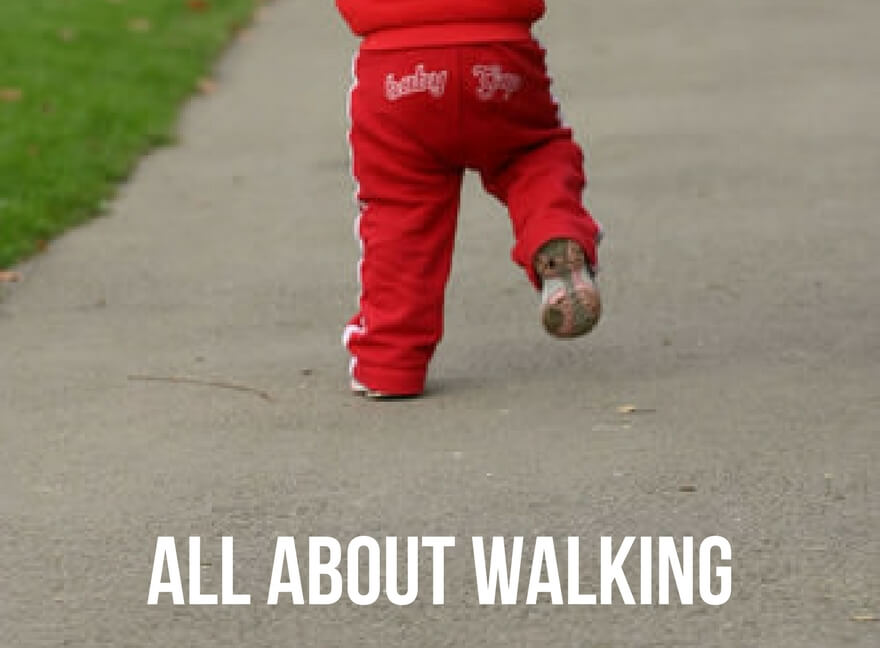
There’s nothing quite like watching your baby take those first wobbly, uncertain steps. One minute you’ve got a determined little crawler zooming across the living room floor, and the next they’re pulling themselves up on the sofa and looking rather pleased with themselves. Walking doesn’t happen overnight, though. It’s the result of months of quiet groundwork: strengthening muscles, practising balance, and building the confidence to let go of whatever they’re holding onto.
This guide walks through what typically happens before those first steps, the sort of timeline you can expect (and how wide that range really is), some common walking quirks that worry parents unnecessarily, and a few practical things you can do to help without pushing too hard.
What Happens Before Walking
Walking isn’t a single skill that appears out of nowhere. It’s built on a stack of earlier ones: holding their head up, rolling, sitting unsupported, crawling (or bum shuffling, or commando crawling, whatever your baby’s version happens to be), pulling to stand, and then cruising along furniture. Not every baby goes through this in a neat order, and that’s completely normal. Some babies skip crawling altogether and go straight from sitting to cruising to walking. Others crawl for months before they show any interest in standing.
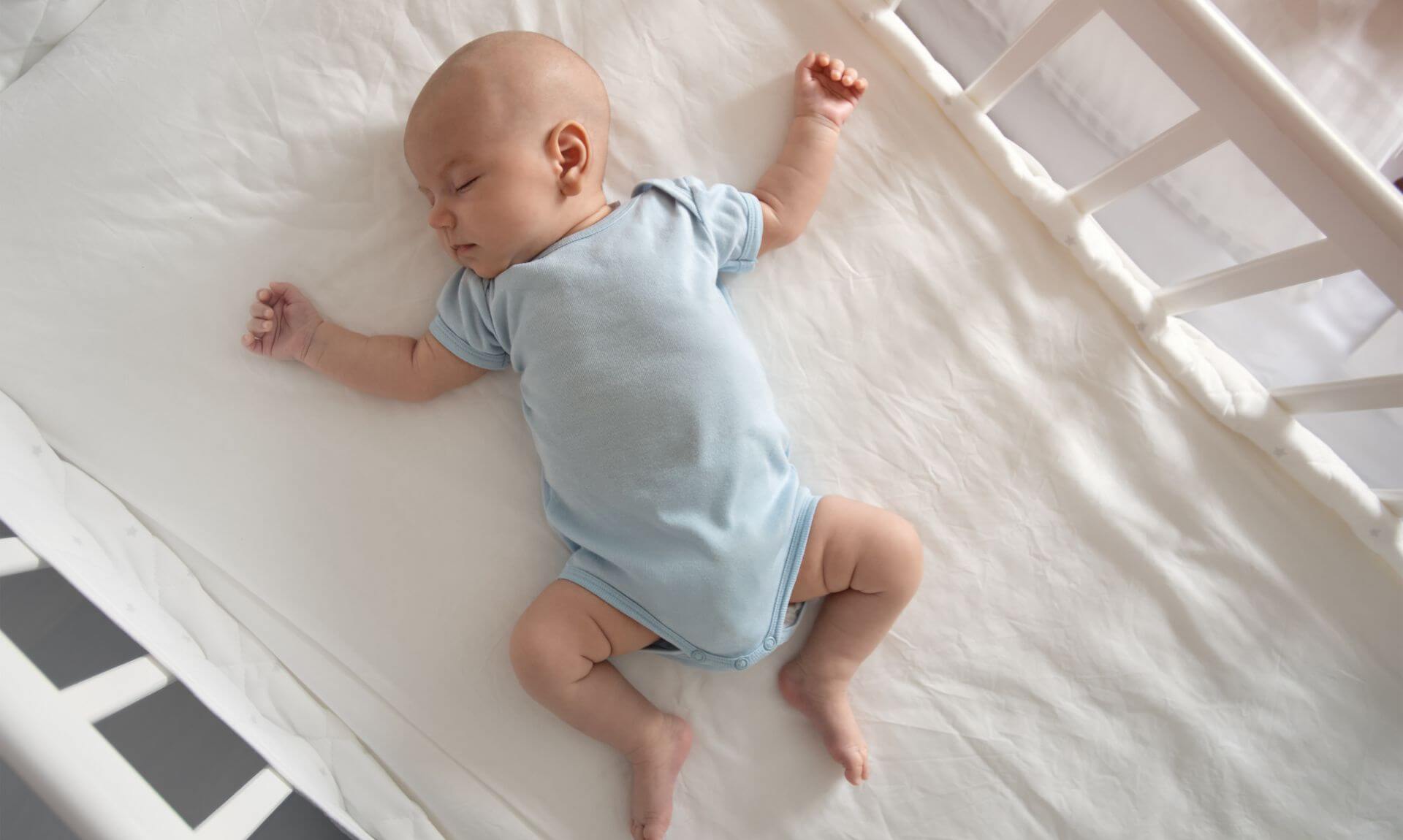
Tummy time in the early months plays a bigger role in all of this than people often realise. It builds the neck, shoulder and back strength that a baby needs later on to push up, crawl and eventually balance on two feet. If your baby didn’t get much tummy time as a newborn, perhaps because you were worried about it and SIDS guidance (which is about sleep position, not awake time), it’s worth building it in now during playtime, always supervised and while your baby is awake and alert.
Once your baby is crawling confidently, you’ll usually see them start pulling up on the coffee table or your legs, then shuffling sideways along the furniture, known as cruising. This is a great stage to encourage, as it’s genuinely doing the work of strengthening their legs and teaching them balance. You can help by arranging low, stable furniture in a loose path so they’ve got things to hold onto, and by getting down on the floor with a favourite toy held just out of reach to give them a reason to move towards it.
How Long Does It Actually Take?
Most babies take their first independent steps somewhere between 9 and 18 months, with the average sitting around 12 to 14 months. That’s a genuinely wide window, and where your baby falls in it says very little about their intelligence, their coordination later in life, or how good they’ll be at sport. It mostly reflects muscle development, body build (bigger or heavier babies sometimes take a bit longer), personality, and how much practice they’ve had at pulling up and cruising.
A cautious baby who likes to watch and think before they try something new might walk later than a more physically fearless one, even if both are developing perfectly well. Babies who spend a lot of time in baby carriers, prams or bouncers, simply because that’s the reality of family life, may also take slightly longer to build the leg strength for walking, though this usually catches up quickly once they get more floor time.
As a general guide, most health visitors and GPs would want to check in if a baby isn’t:
- Sitting without support by around 9 months
- Bearing weight on their legs or pulling themselves to stand by around 12 months
- Cruising along furniture by around 15 months
- Taking a few independent steps by around 18 months
These are rough markers rather than strict deadlines, and every child is a little different. If your baby was born prematurely, it’s worth remembering that development is often assessed from their corrected age rather than their birth date, at least for the first couple of years. If you’re at all worried, or your baby seems to have lost a skill they previously had, don’t wait for a routine check. Speak to your health visitor, GP or paediatrician sooner rather than later. It’s very rarely anything serious, but getting it looked at gives you peace of mind either way.
Bow Legs, Wobbly Gaits and Other Normal Oddities
New walkers rarely look elegant, and that’s exactly as it should be. A wide stance, arms out for balance, feet turned slightly in or out, and legs that look a bit bowed are all completely typical in the first year or two of walking. Bow legs (where the knees stay apart even when the ankles are together) are extremely common in toddlers and almost always straighten out on their own by around age three or four as the leg bones grow and rotate. It’s part of normal development, not something that generally needs treatment.
Toe walking, where a child walks predominantly on the balls of their feet rather than putting their heel down, is also common in the early stages of learning to walk. Most toddlers grow out of it within a few months as their balance and confidence improve. If toe walking is still happening regularly past the age of two, is happening on one side only, or comes with tight calf muscles that make it hard to get the heel flat on the floor, it’s worth getting it checked by your GP or a paediatric physiotherapist. Occasionally it’s linked to tight Achilles tendons or other developmental factors, and a physio can usually help with simple stretches or exercises if needed. In most cases it turns out to be nothing more than a passing phase.
Flat-footed appearances are also normal at this age. Toddlers have a fat pad on the underside of their foot that makes the arch look flatter than it will later become, and this generally isn’t anything to worry about either.
Helping Without Hurrying
You can’t really teach a baby to walk before their body and brain are ready, but you can set things up to help them practise safely and build confidence at their own pace.
Bare feet or socks with grippy soles are genuinely better than shoes for indoor practice. Being barefoot lets your baby feel the floor properly, which helps with balance and the small muscles in the feet. Shoes only really become useful once your child is walking reasonably steadily outdoors, on pavements or rough ground where their feet need protection. When you do buy first shoes, look for something flexible and lightweight with a bit of grip, rather than anything stiff or heavily cushioned.
Push-along toys, sturdy trolleys, or even a cardboard box can give a cruising toddler something safe to lean on while they practise taking steps. Holding both your baby’s hands while they walk towards you, or crouching down a short distance away with your arms open, is a lovely way to encourage those first independent steps.
Baby walkers (the seated kind with wheels that let a baby move around before they can walk) are generally best avoided. They’re associated with a real risk of falls, particularly down stairs, and there’s some evidence they can actually delay rather than speed up walking, because they let babies move without using the muscles and balance that walking actually requires. Stationary activity centres or push-along walkers that a baby stands behind are considered a safer alternative if you want something similar.
Once your baby starts cruising and taking steps, it’s worth doing another walk-through of your home with fresh eyes. A baby who was safely out of reach of things while crawling can suddenly reach shelves, pull tablecloths, or take a tumble down steps they couldn’t get to before. Stair gates, securing loose rugs, and anchoring furniture that could tip are all sensible at this stage if you haven’t done it already.
The Bottom Line
There’s a lot of pressure, often unintentional, to compare babies against each other and against milestone charts. It’s natural to want reassurance, but try not to let it turn into worry if your baby is taking their time. The range of normal is genuinely wide, and a baby who walks at 10 months and one who walks at 17 months are both, in the vast majority of cases, developing exactly as they should.
What matters more than the exact date on the calendar is the general direction of progress: are they getting stronger, more confident, more curious about moving around, month on month? If the answer is yes, you’re very likely just watching your own child’s particular timeline unfold. And if you do have concerns at any point, your health visitor or GP is there for exactly this, so there’s no harm in asking.
Those first proper steps, wobbly, uncertain, arms out like a tiny tightrope walker, are worth every bit of the fuss you’ll make over them. Enjoy it. They won’t stay this slow and unsteady on their feet for long.
Share This Story, Choose Your Platform!



Latest Post


Latest News To Your Inbox
Subscribe to hear about our latest blog posts, competitions and special offers.