
The Juice Dilemma: When Can Babies Safely Sip on Sweetness?
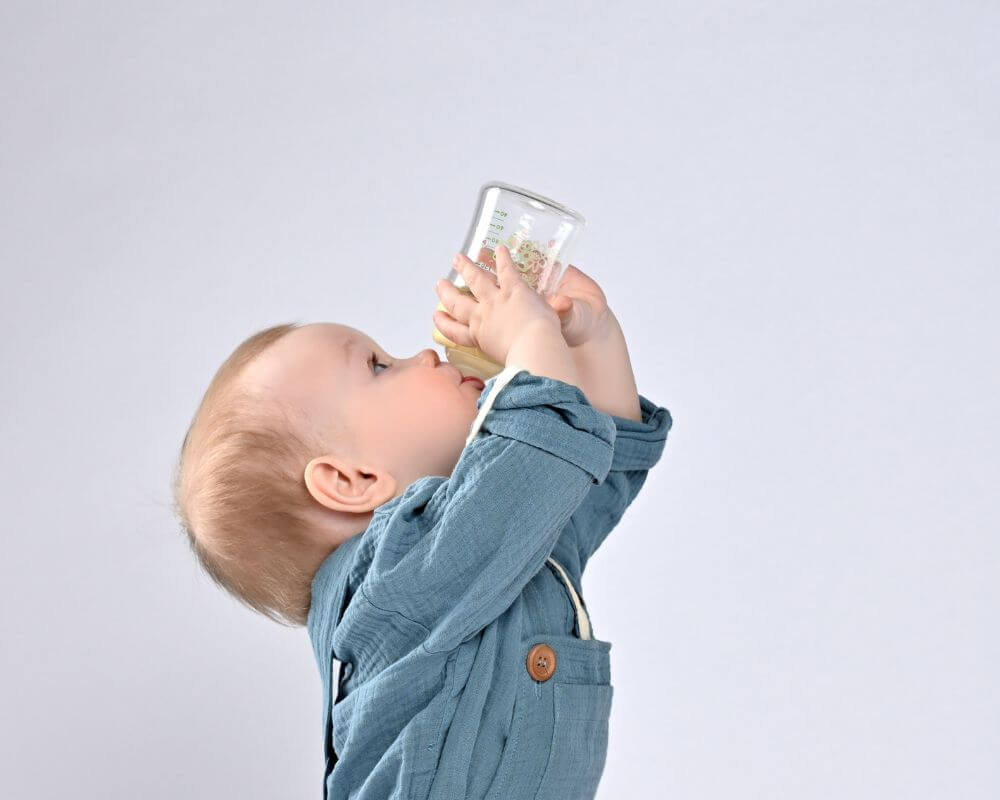
Hey there, wonderful parents and caregivers! Today, we’re diving into a juicy topic – quite literally. We’re talking all about when it’s safe for our little ones to start sipping on fruit juice. It’s a question that’s been on many parents’ minds, and we’re here to provide you with the most detailed and friendly guide you’ll find anywhere on the internet. So, grab your favorite beverage (maybe not juice just yet), and let’s chat about this sweet subject!
Introduction: The Juice Craze
As parents, we often find ourselves navigating a maze of conflicting advice when it comes to our baby’s diet. Juice is no exception to this conundrum. Some parents believe it’s a wholesome addition to their little one’s diet, while others approach it with caution. Let’s embark on this journey together and uncover the truth about when babies can safely drink juice.
Juice for Babies: The Basics
Before we jump into the juicy details, let’s cover some fundamental facts:
1. Age Matters
The suitability of juice for your baby depends largely on their age and developmental stage.
2. Juice vs. Fruit
Juice may seem like a convenient way to provide essential vitamins, but it’s essential to remember that whole fruits offer fiber, which juice lacks.
3. Moderation is Key
Even when it’s safe, juice should be consumed in moderation to prevent excessive sugar intake.
When Can Babies Drink Juice?
Let’s break it down by age groups:
1. Birth to 6 Months: The Juice-Free Zone
During the first six months of your baby’s life, their primary source of nutrition should be breast milk or formula. There’s no need to introduce juice at this stage, and it’s best avoided.
2. 6 to 12 Months: Introducing Juice Safely
Between 6 to 12 months, you can cautiously introduce small amounts of diluted fruit juice. Here are some key guidelines:
- Wait Until 6 Months: Avoid juice until your baby is at least 6 months old.
- Choose 100% Fruit Juice: Opt for pure, unsweetened fruit juice without any added sugars or artificial flavors.
- Dilute with Water: To reduce the sugar content, dilute juice with water. A common recommendation is a 1:1 ratio, but it can vary depending on your baby’s taste preferences.
- Limit Quantity: The American Academy of Pediatrics (AAP) suggests no more than 4 ounces (120 ml) of diluted juice per day for babies aged 6 to 12 months.
- Offer in a Cup: Transition from a bottle to a cup when introducing juice to help prevent tooth decay.
3. 12 Months and Beyond: The Slow Transition
Once your baby reaches their first birthday, you can offer a slightly wider variety of juices. However, it’s still crucial to be mindful:
- Continue Diluting: Maintain the practice of diluting juice with water.
- Limit Sugary Varieties: Avoid juices with added sugars and prioritize 100% fruit juice.
- Moderation is Key: Stick to the AAP recommendation of no more than 4 ounces (120 ml) per day.
The Great Juice Debate: Proponents and Opponents
Juice has its supporters who argue that it can be a source of essential vitamins and hydration for growing children. On the other hand, opponents express concerns about its sugar content and the potential to replace more nutritious foods in a child’s diet.
Conclusion: Juice, Judiciously
As parents, our primary goal is to provide the best possible nutrition for our babies. When it comes to juice, the key is moderation and age-appropriateness. By adhering to these guidelines, you can ensure that your baby enjoys the occasional sip of juice while maintaining a balanced diet.
Remember, every baby is unique, and their dietary needs may vary. Consult with your pediatrician for personalized guidance based on your baby’s growth and development.
So, here’s to making informed choices on the juicy journey of parenthood!
Share This Story, Choose Your Platform!



Latest Post


Latest News To Your Inbox
Subscribe to hear about our latest blog posts, competitions and special offers.