
How Much Should My Baby Eat? A Parent’s Guide to Feeding, Including Solid Foods

Hey there, fellow parents! If you’re reading this, you’ve probably found yourself pondering the age-old question: “How much should my baby eat?” As a parent, it’s natural to be concerned about your baby’s nutrition, growth, and overall well-being. In this comprehensive guide, I’m going to break down everything you need to know about your baby’s eating habits, including when it’s time to introduce those exciting solid foods. So, grab a cup of your favorite beverage and let’s dive into this important topic like friends chatting over coffee.
Introduction
Feeding your baby can be a joyful yet perplexing experience. From those early days of breastfeeding or bottle-feeding to the exciting journey of introducing solids, it’s normal to have questions and concerns. One of the most common questions parents ask is, “How much should my baby eat?” The answer varies depending on your baby’s age, growth rate, and individual needs. Let’s explore it all, step by step, including the transition to solid foods.
Newborns (0-2 Months)
Breastfeeding
- Frequency: On-demand feeding is key. Babies often nurse every 1-3 hours, totaling 8-12 feedings per day.
- Volume: Typically, newborns consume about 1 to 2 ounces (30-60 mL) per feeding in the first few days, gradually increasing as your milk supply develops.
Formula Feeding
- Frequency: Similar to breastfeeding, feed your baby on-demand, which may mean every 2-3 hours.
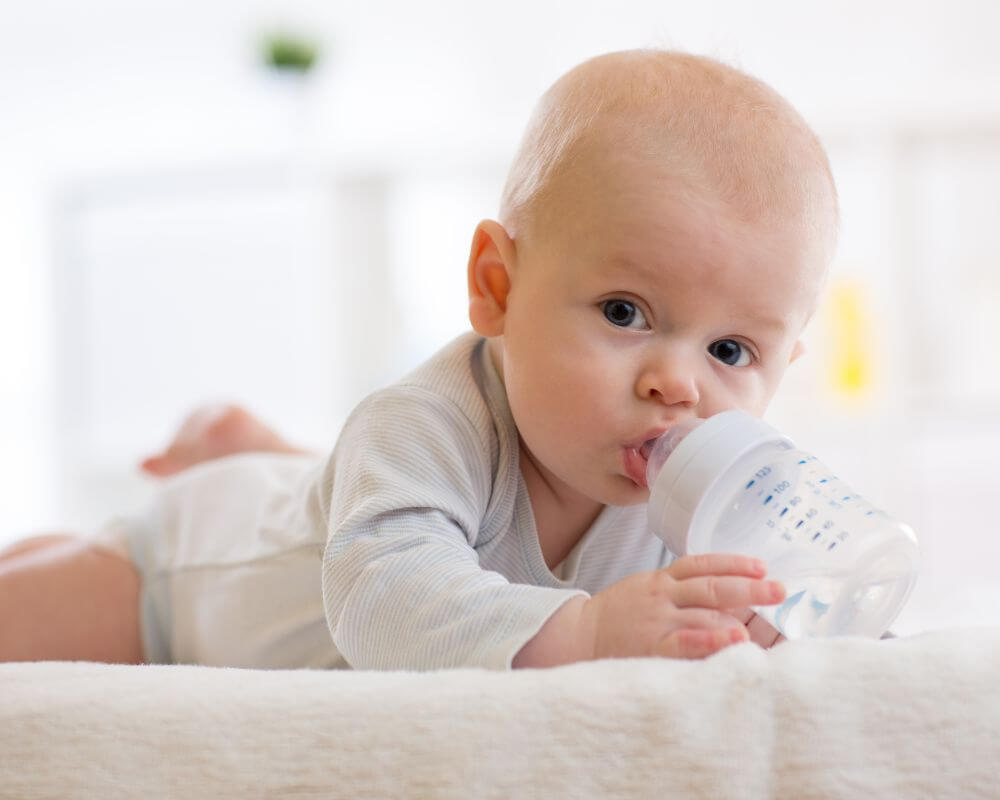
- Volume: Newborns usually take around 2-3 ounces (60-90 mL) of formula per feeding, with variations among babies.
Infants (2-6 Months)
Breastfeeding
- Frequency: Continue on-demand feedings, which may still be frequent.
- Volume: Babies at this stage might consume 3-4 ounces (90-120 mL) per feeding. Some may take more if they’re going through a growth spurt.
Formula Feeding
- Frequency: Maintain on-demand feedings, typically every 3-4 hours.
- Volume: Expect your baby to take about 4-6 ounces (120-180 mL) per feeding.
Babies (6-12 Months)
Breastfeeding
- Frequency: As your baby starts solid foods, breastfeed on-demand but expect feedings to become less frequent.
- Volume: Continue to offer breast milk before solids. Babies may take 4-6 ounces (120-180 mL) per feeding.
Formula Feeding
- Frequency: Babies might drop to 4-5 feedings per day, with some transitioning to 3 meals and 2 formula feedings.
- Volume: Formula intake can range from 24-32 ounces (720-960 mL) per day.
Introducing Solid Foods (Around 6 Months)
Around the age of 6 months, your baby may be ready for their first taste of solid foods. Here’s how to navigate this exciting phase:
Signs of Readiness
Look for these signs to determine if your baby is ready for solids:
- Sitting Up: Your baby can sit with minimal support.
- Head Control: Their head is steady.
- Lost Tongue Reflex: They no longer push food out of their mouth with their tongue.
First Foods
Introduce single-ingredient, soft, and easily digestible foods:
- Rice Cereal: A common first choice.
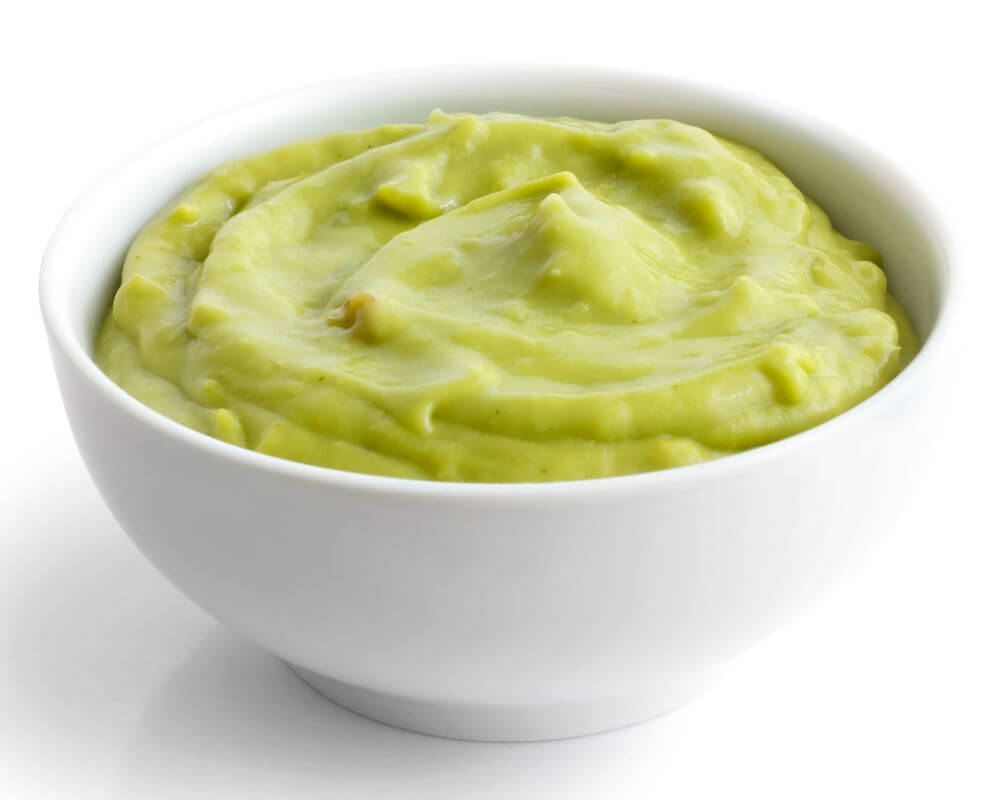
- Pureed Fruits and Vegetables: Start with mild options like apples, pears, sweet potatoes, and carrots.
- Single-Grain Baby Cereal: Oatmeal or barley is an excellent choice.
Textures and Consistency
Keep it smooth and runny. Use a soft baby spoon to minimize the risk of choking.
Feeding Schedule
Start with 1-2 teaspoons once a day and gradually increase to 2-3 meals a day.
Babies (6-12 Months) – Continued
Expanding the Menu (7-8 Months)
- Mashed Bananas: A tasty and nutritious choice.
- Soft Cooked Vegetables: Like peas, green beans, and squash.
- Well-Cooked Pasta: Opt for small, easy-to-grasp shapes.
Finger Foods (8-10 Months)
- Soft Fruit Pieces: Small, ripe pieces of banana or avocado.
- Cooked and Chopped Vegetables: Carrots, broccoli, and sweet potatoes.
- Puffs or O-shaped Cereals: Great for practicing the pincer grasp.
Feeding Independence (10-12 Months)
- Diced Proteins: Cooked and finely diced chicken, turkey, or tofu.
- Firmer Fruits: Slices of apple or pear (remove seeds).
- Dairy Products: Plain yogurt or cheese (watch for lactose sensitivity).
Toddlers (1-2 Years)
Toddler Portion Sizes
- Small but Frequent: Toddlers have small stomachs, so offer several small meals and snacks throughout the day.
- Listen to Hunger Cues: Let your toddler guide how much they eat. They’re good at self-regulating.
Healthy Snacks
Provide nutritious snack options:
- Fruit: Sliced apples, berries, or small chunks of melon.
- Veggies: Carrot sticks, cucumber slices, or bell pepper strips.
- Dairy: Greek yogurt or cheese cubes.
Model Healthy Eating
Children often imitate what they see:
- Family Meals: Continue to eat together as a family.
- Balanced Choices: Make balanced choices, and your toddler is more likely to do the same.
Conclusion: Nurturing Your Baby’s Growth Through Food
Feeding your baby is a beautiful, nurturing experience. While it can be challenging at times, remember that you’re doing an incredible job by providing the nourishment and love your baby needs. Every baby is unique, and there’s no one-size-fits-all approach to feeding. Trust your instincts, enjoy the journey, and savor every moment with your precious little one, especially as you introduce the wonderful world of solid foods.
Share This Story, Choose Your Platform!

Latest Post


Latest News To Your Inbox
Subscribe to hear about our latest blog posts, competitions and special offers.