
How to Introduce New Foods to Your Baby: A Parent’s Guide
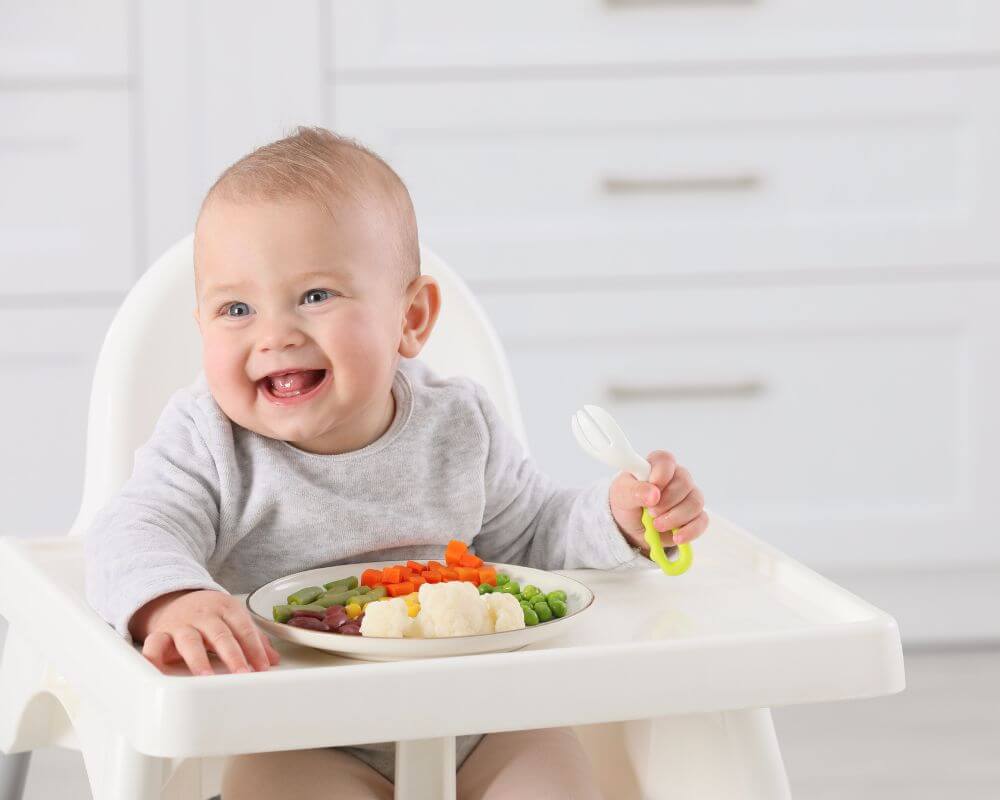
Hey there, fellow parents! One of the most exciting milestones in your baby’s life is when they start exploring the world of solid foods. It’s a journey filled with curiosity, messiness, and endless photo-worthy moments. But it can also raise questions and concerns, like when and how to introduce new foods. Don’t worry; I’ve got your back! In this comprehensive guide, I’ll walk you through the ins and outs of introducing new foods to your precious little one. So, grab a cup of coffee (or tea) and let’s dive right in.
When to Start Introducing Solid Foods
The Right Timing: The American Academy of Pediatrics (AAP) recommends starting solid foods around 6 months of age. However, every baby is unique, and readiness signs can vary. Look for these cues to ensure your baby is ready:
- Head Control: Your baby should be able to hold their head up steadily.
- Sitting Up: They should sit well with support or on their own.
- Interest in Food: If your baby shows interest in your meals, like watching you eat or reaching for your food, it might be time to introduce solids.
The First Foods – What to Begin With
Single-Ingredient Foods: For your baby’s first foods, opt for single-ingredient, iron-rich foods. These can include:
- Rice Cereal: This is a common choice for first foods. Mix it with breast milk or formula to a runny consistency.
- Pureed Fruits: Try mashed bananas, apples, or pears.
- Pureed Vegetables: Steamed and mashed sweet potatoes or carrots are excellent options.
Small Portions: Begin with just a spoonful or two. Your baby’s tummy is tiny, and their primary source of nutrition should still be breast milk or formula.
How to Introduce New Foods Step by Step
One at a Time: Introduce new foods one at a time, waiting a few days before starting another. This helps you identify any potential allergies or sensitivities.
Watch for Allergic Reactions: Keep an eye out for signs of allergies, such as hives, diarrhea, vomiting, or unusual fussiness. If you suspect an allergy, consult your pediatrician.
Textures Matter: As your baby becomes more comfortable with solids, gradually introduce different textures. Start with smooth purees and progress to thicker textures and small, soft pieces of food.
Family Favorites: Share family meals with your baby whenever possible. It’s a great way to expose them to a variety of flavors and create positive mealtime associations.
Finger Foods – A New Adventure
Around 8-10 Months: As your baby’s motor skills improve, introduce finger foods. These are soft, bite-sized pieces that your baby can pick up and self-feed. Great options include:
- Avocado Slices: Rich in healthy fats.
- Steamed Carrot Sticks: A nutritious, easy-to-hold choice.
- Banana Slices: Naturally sweet and easy to grasp.
Stay Close: Always supervise your baby during mealtime, especially when they’re exploring finger foods.
Mealtime Tips for Success
Mess is Inevitable: Be prepared for messiness. Babies are still developing their coordination, and smearing food is part of the learning process.
Stay Positive: Maintain a positive mealtime atmosphere. Encourage exploration, but don’t force your baby to eat if they’re not interested.
Offer Water: As you introduce solids, offer a small amount of water in a sippy cup to keep your baby hydrated.
Variety is Key: Introduce a wide variety of foods, including fruits, vegetables, grains, and proteins. This helps develop a well-rounded palate.
Allergenic Foods – When and How
Low-Risk Foods: You can introduce common allergenic foods like peanut butter, eggs, and dairy after your baby has been eating solids for a few months. Start with a small amount and watch for reactions.
Consult Your Pediatrician: If you have concerns about food allergies or a family history of allergies, consult your pediatrician before introducing allergenic foods.
Transitioning to Family Foods
Around 1 Year: By the time your baby reaches their first birthday, they can start transitioning to family foods. Cut their food into smaller, manageable pieces and continue to offer a balanced diet.
Conclusion
Introducing new foods to your baby is a wonderful journey filled with discoveries and delights. Remember, every baby is different, so be patient and flexible. Follow their cues, watch for allergies, and create a positive mealtime atmosphere. Before you know it, your little one will be exploring a world of flavors with gusto!
Share This Story, Choose Your Platform!

Latest Post


Latest News To Your Inbox
Subscribe to hear about our latest blog posts, competitions and special offers.