
Introducing Solid Foods: When and How to Start

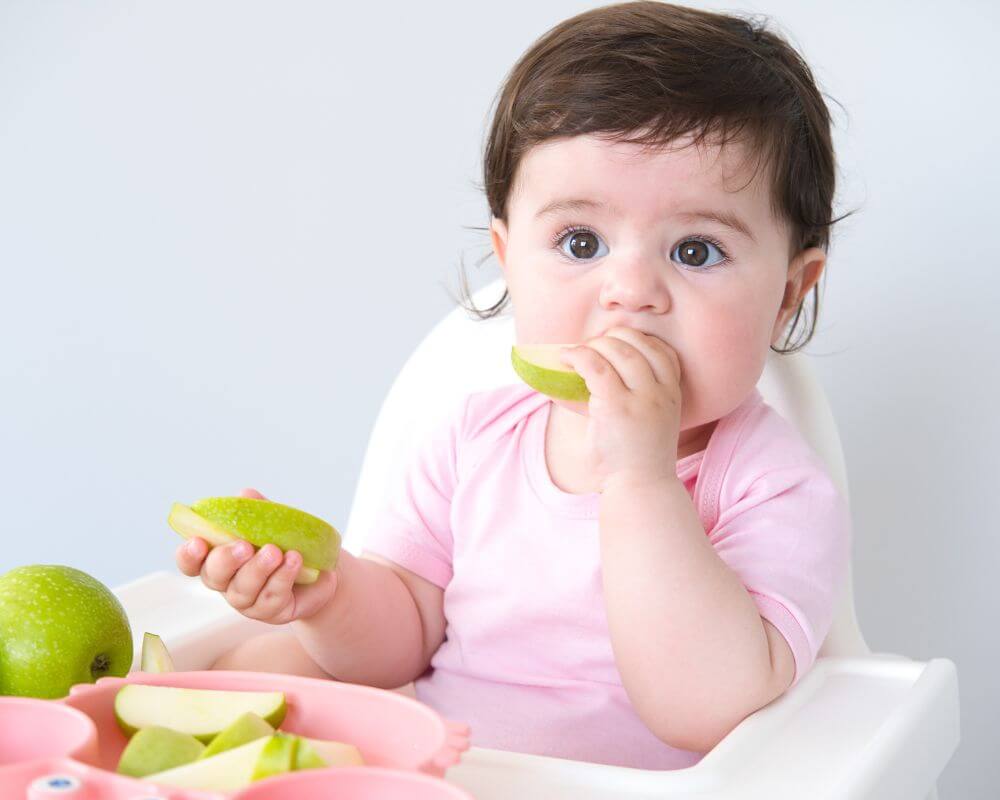
As your baby grows, the exciting milestone of introducing solid foods approaches. It can be both thrilling and overwhelming to navigate this new phase of parenthood. When should you start? What foods are best? And how do you introduce them safely? This guide will walk you through everything you need to know about starting solids.
When to Start Solid Foods
The American Academy of Pediatrics (AAP) recommends introducing solid foods around 6 months of age. However, some babies may show readiness a bit earlier, closer to 4 months. Every baby is unique, so it’s important to watch for signs of readiness, which include:
- The ability to sit up with minimal support
- Strong head and neck control
- An increased interest in watching others eat
- The disappearance of the tongue-thrust reflex (which pushes food out of the mouth)
Before starting solids, it’s always a good idea to check with your pediatrician to ensure your baby is ready.
How to Introduce Solid Foods
Introducing solids is a gradual process. Here are the key steps:
- Choose the Right First Food: Many parents start with single-grain cereals (such as iron-fortified rice or oatmeal cereal) or pureed vegetables, fruits, or meats. Popular first foods include:
- Mashed bananas
- Pureed sweet potatoes
- Avocado
- Applesauce
- Start Small: Begin with one or two teaspoons of pureed food or cereal mixed with breast milk or formula to a thin consistency.
- One New Food at a Time: Introduce only one new food every 3-5 days. This helps you monitor for any allergic reactions, such as rashes, vomiting, or diarrhea.
- Stick to Simple Ingredients: Avoid adding salt, sugar, or seasonings to your baby’s food. Their taste buds are still developing, and simple flavours are best.
- Offer the Right Texture: Early foods should be smooth and soft to prevent choking. As your baby gets more comfortable, you can gradually introduce thicker and lumpier textures.
Common Questions About Starting Solids
1. What if my baby refuses the first attempt? It’s perfectly normal for babies to be unsure about new foods. If your baby spits out the food, stay calm and try again in a few days.
2. How often should I feed solids? In the beginning, offer solids once a day. As your baby adjusts, you can gradually increase to two or three times per day.
3. Can I offer finger foods? Yes! Around 8-9 months, many babies are ready for soft finger foods, such as small pieces of banana, cooked carrots, or scrambled eggs.
4. What about common allergens? The AAP now recommends introducing common allergens, such as peanut butter (in a safe form like diluted peanut butter), eggs, and dairy, between 6 and 12 months to help reduce the risk of allergies.
Signs of Food Allergies or Intolerance
When introducing new foods, it’s important to watch for signs of allergic reactions or food intolerances. Contact your pediatrician if your baby experiences any of the following:
- Hives or a rash
- Vomiting or diarrhea
- Swelling of the face, lips, or tongue
- Difficulty breathing
Foods to Avoid in the First Year
To ensure your baby’s safety, avoid the following foods during their first year:
- Honey: It can contain spores that cause infant botulism.
- Cow’s milk: While dairy products like yogurt and cheese are fine in small amounts, avoid offering cow’s milk as a primary drink until after 12 months.
- Choking hazards: Avoid whole nuts, popcorn, raw carrots, grapes, and large chunks of meat.
- Highly processed or sugary foods: Stick to whole, natural foods as much as possible.
Making Mealtime Enjoyable
Introducing solids should be a fun and interactive experience. Here are a few tips to keep things positive:
- Create a routine: Serve solids at a time when your baby is calm, alert, and not overly hungry or tired.
- Use baby-friendly utensils: Soft-tipped spoons and small bowls can make feeding easier.
- Expect some mess: Babies love to explore their food! Be prepared with bibs and wipes.
- Follow your baby’s cues: Respect your baby’s appetite and stop feeding when they turn their head away or lose interest.
The Importance of Patience
Remember, introducing solid foods is a learning process for both you and your baby. Some days will be messy and unpredictable, but that’s all part of the journey. Be patient, celebrate small successes, and enjoy watching your baby discover new tastes and textures.
Final Thoughts
Introducing solid foods is an exciting milestone that sets the foundation for healthy eating habits. By following your baby’s lead and introducing a variety of nutritious foods, you’re helping them grow and thrive. If you have any concerns or questions along the way, your pediatrician is always a valuable resource.
For more helpful baby care tips and expert advice, be sure to explore the rest of BabyCareMag.com!
Share This Story, Choose Your Platform!


Latest Post


Latest News To Your Inbox
Subscribe to hear about our latest blog posts, competitions and special offers.