
Your Baby’s Sense of Touch: Navigating the World through Tiny Fingertips

Hey there, amazing parents and fellow baby enthusiasts! Today, I’m absolutely delighted to dive into the captivating world of your baby’s sense of touch. Those tiny fingers and curious hands are their gateway to exploring and understanding the world around them. So, let’s settle in, maybe with a cup of coffee or your favorite beverage, and embark on this tactile journey of discovery and wonder.
The Marvel of Baby Skin
Let’s kick things off with a marvel that we often take for granted—baby skin. It’s incredibly soft, delicate, and sensitive. Your baby’s skin is their first point of contact with the world, and it plays a pivotal role in their sensory experience.
Newborn Skin
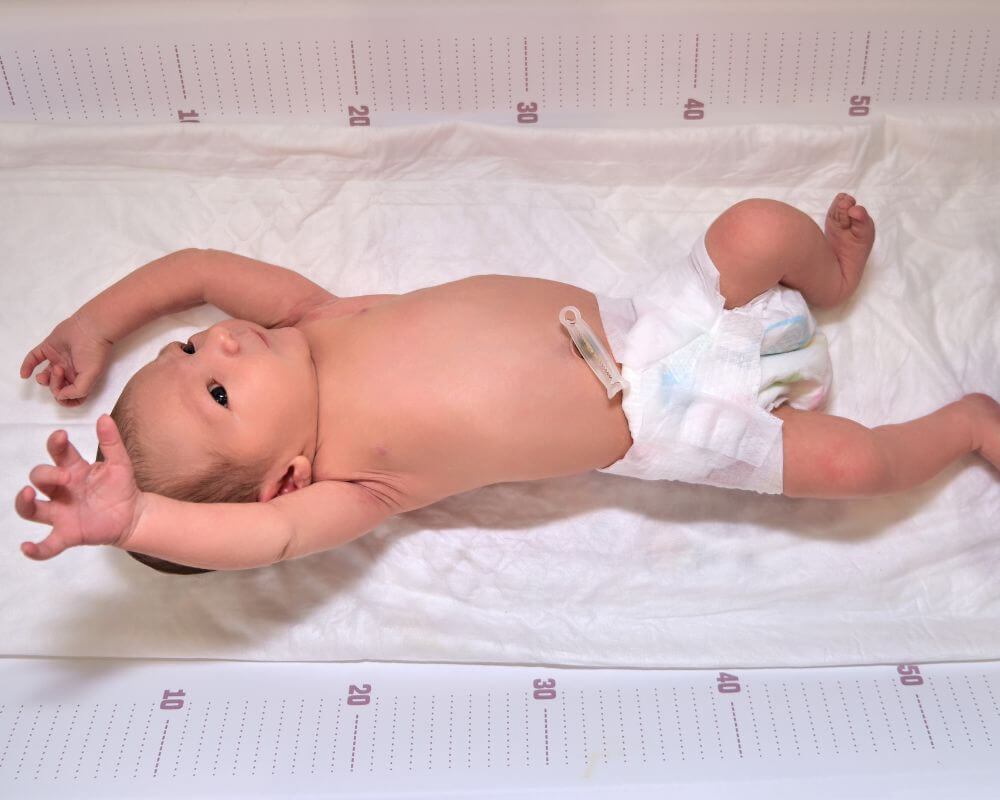
When your baby is born, their skin is brand new and ultra-sensitive. It’s thinner than adult skin, making it more susceptible to irritations and environmental factors. Their skin is also covered in a creamy, protective substance called vernix, which gradually absorbs into the skin over the first few days of life.
The Power of Skin-to-Skin Contact
Bonding Magic
Skin-to-skin contact is more than just a cozy cuddle; it’s a powerful bonding experience. When you hold your baby close to your skin, it promotes feelings of safety and security. It also helps regulate their body temperature and heart rate.
Feeding Connection
For breastfeeding moms, skin-to-skin contact can be a game-changer. It helps initiate breastfeeding by allowing your baby to smell and taste your skin, which encourages them to latch on.
Early Touch Milestones
Your baby’s sense of touch evolves over time, and it’s fascinating to observe their journey. Here are some early touch milestones to look out for:
Reflexive Grasping
During the first few months, your baby will display reflexive grasping, where they instinctively grab onto objects placed in their palm.
Exploratory Touch
As your baby grows, they become more intentional in their touch. They’ll start to explore objects, textures, and surfaces with their hands and fingers.
Facial Recognition
Around two to three months of age, your baby will begin to recognize faces through touch. They’ll use their hands to feel the contours of your face, which is a heartwarming experience for both of you.
Nurturing the Sense of Touch
Sensory Play
Sensory play is a fantastic way to nurture your baby’s sense of touch. Here are some sensory play ideas:
- Texture Tiles: Create a sensory board with various textures like soft fabric, rough sandpaper, and squishy foam.
- Messy Play: Let your baby explore safe, edible materials like mashed potatoes or oatmeal. Messy play stimulates their tactile senses.
- Water Play: Splashing in a shallow basin of water can be a delightful tactile experience.
Baby Massage
Gentle baby massage is not only relaxing but also a great way to bond with your little one. Use a baby-safe oil and use slow, soothing strokes.
Soft Fabrics
Choose soft, natural fabrics for your baby’s clothing and bedding. They’ll love the feel of gentle cotton against their skin.
Exploring the World Through Touch
As your baby becomes more mobile, their sense of touch becomes a tool for exploring their environment. Here’s how touch aids in their exploration:
Sensory Mapping
Your baby will start to build a mental map of their surroundings through touch. They’ll remember the feel of different objects and surfaces.
Object Permanence
Around eight to nine months, your baby will develop object permanence—the understanding that objects still exist even when they can’t be seen. They’ll use their sense of touch to confirm this concept.
Common Concerns: When to Seek Help
While most babies develop their sense of touch naturally, there are instances where concerns may arise:
Hypersensitivity
If your baby seems overly sensitive to touch, showing signs of discomfort or distress when touched, consult with a pediatrician for guidance.
Lack of Responsiveness
If your baby doesn’t seem to respond to touch or doesn’t display the typical touch-related milestones, it’s a good idea to seek professional advice.
Skin Conditions
If your baby develops persistent skin conditions, such as rashes, hives, or eczema, consult a healthcare professional for appropriate care and treatment.
Celebrating the Sense of Touch
Your baby’s sense of touch is a wondrous gift that guides them on their journey of exploration and connection with the world. As you provide them with loving, tactile experiences, you’re nurturing their development and creating lasting memories of comfort and security.
Share This Story, Choose Your Platform!

Latest Post


Latest News To Your Inbox
Subscribe to hear about our latest blog posts, competitions and special offers.