
Unveiling the Startle Reflex in Babies: When Tiny Limbs Take Flight
Greetings, dear parents and inquisitive minds! Today, we’re embarking on an enlightening journey into the fascinating world of babies and their reflexes. In particular, we’ll be delving into the enchanting phenomenon of the startle reflex in babies. You know, that adorable yet occasionally startling moment when your little one’s tiny limbs seem to take flight? We’re about to explore what exactly this reflex entails, why it happens, when it typically occurs, and, most importantly, how you can soothe and support your baby when it catches them off guard. So, grab a cup of tea or coffee, get cozy, and join me as we uncover the mysteries of the baby startle reflex.
Introduction
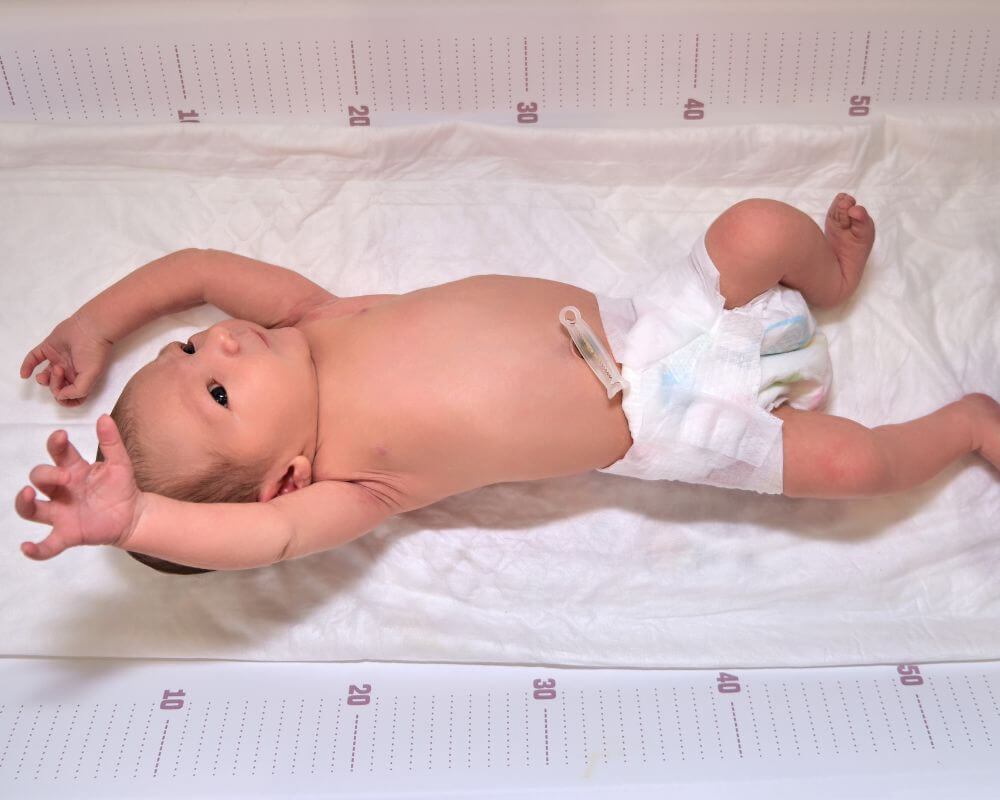
Babies are nothing short of marvelous mysteries, and their developmental journey is marked by a series of captivating reflexes and milestones. Among these, the startle reflex, also known as the Moro reflex, stands out as one of the most distinctive and, at times, entertaining. This reflex is the one responsible for those comical and utterly endearing moments when your baby dramatically flings their arms and legs outward, resembling a tiny superhero taking off to save the day. But what exactly is this reflex? Why does it happen, and what purpose does it serve in your baby’s life? Let’s dive into the captivating world of baby reflexes.
Understanding the Startle Reflex
What Is the Startle Reflex?
The startle reflex, scientifically known as the Moro reflex, is a primitive and involuntary response that babies exhibit in response to specific stimuli. It is characterized by a sudden and often dramatic movement of the baby’s arms and legs, typically accompanied by a cry or whimper. This reflex is an essential component of a baby’s survival instincts and is most prominent during the first few months of life.
Why Does It Happen?
The Moro reflex serves several vital purposes:
- Survival Instinct: In earlier times, this reflex played a crucial role in the survival of human infants. When a baby felt as if they were falling or in danger, the startle reflex would cause them to fling their limbs outward dramatically. This action signaled distress and, in turn, might elicit a protective response from a nearby caregiver.
- Developmental Sign: The presence of the Moro reflex is often seen as a positive sign of healthy nervous system development in infants. It reflects the maturation of their neurological pathways.
- Protective Mechanism: This reflex serves as a protective mechanism, alerting caregivers to the baby’s discomfort or potential danger. It’s a way for babies to communicate their need for assistance or comfort.
When Does the Startle Reflex Occur?
The Moro reflex is most pronounced during the first few months of a baby’s life and typically begins to fade around the third or fourth month. To provide you with a clearer picture, let’s explore its occurrence within a general timeline:
- Birth to 2 Months: During this period, the startle reflex is at its peak. It can be triggered by various stimuli, including sudden movements, loud noises, or even the sensation of falling (as might be experienced when you lay your baby down too quickly).
- 2 to 4 Months: As your baby’s nervous system matures and adapts, the intensity and frequency of the Moro reflex start to diminish. You’ll notice fewer exaggerated startle responses during this time.
- 4 to 6 Months: By around the fourth to sixth month, most babies have outgrown the startle reflex. Their nervous systems have developed to a point where they can better control their movements and responses to external stimuli.
How to Soothe Your Baby During Startle Reflex Moments
While the Moro reflex is a normal and expected part of infant development, it can sometimes startle your baby and lead to moments of discomfort. Here are some valuable tips to help soothe and comfort your little one during these reflexive episodes:
- Swaddling: Swaddling involves wrapping your baby snugly in a swaddle blanket, limiting the movement of their arms and legs during sleep. This can reduce the chances of the reflex waking them up and provide a sense of security.
- Gradual Movements: When picking up or laying down your baby, do so slowly and gently to avoid triggering the startle reflex. A calm and gentle approach to movements can help prevent startling.
- White Noise and Gentle Sounds: Soft, continuous sounds like white noise or gentle lullabies can create a soothing auditory environment that may prevent sudden noises from startling your baby. These calming sounds can be particularly helpful during sleep.
- Offer Comfort: If your baby does startle and become upset, offering comfort is essential. Gentle rocking, cuddling, and verbal reassurance can help them calm down and feel secure.
The Startle Reflex and Sleep
One of the most common scenarios in which the Moro reflex makes its appearance is during sleep. It can lead to disrupted slumber for both you and your baby. Here are some considerations related to sleep:
- Sleep Transitions: The startle reflex often plays a role in those moments when your baby appears to wake suddenly, with their arms flung wide. To facilitate smoother sleep transitions, consider using a pacifier or employing gentle patting to soothe your baby back to sleep.
- Safe Sleep Practices: Ensure that your baby sleeps in a safe and secure environment. The American Academy of Pediatrics (AAP) recommends that babies sleep on their backs, without loose bedding or toys that could pose a suffocation risk.
- Swaddle Safely: If you choose to swaddle your baby, do so securely but always leave room for their hips to move freely. Tight swaddling that restricts hip movement can lead to hip dysplasia.
When to Be Concerned
In most cases, the Moro reflex is a normal and anticipated part of a baby’s development. However, there are instances where unusual or persistent behavior related to the startle reflex may warrant further attention. Here are some situations to be aware of:
- One-Sided Reflex: If the startle reflex seems to occur only on one side of your baby’s body or is significantly more pronounced on one side, this could indicate an issue with their nervous system, and it’s wise to consult your pediatrician.
- Excessive or Persistent Reflex: If the Moro reflex continues to be intense and frequent beyond the typical age range, it may be a
Greetings, dear parents and inquisitive minds! Today, we’re embarking on an enlightening journey into the fascinating world of babies and their reflexes. In particular, we’ll be delving into the enchanting phenomenon of the startle reflex in babies. You know, that adorable yet occasionally startling moment when your little one’s tiny limbs seem to take flight? We’re about to explore what exactly this reflex entails, why it happens, when it typically occurs, and, most importantly, how you can soothe and support your baby when it catches them off guard. So, grab a cup of tea or coffee, get cozy, and join me as we uncover the mysteries of the baby startle reflex.
Introduction
Babies are nothing short of marvelous mysteries, and their developmental journey is marked by a series of captivating reflexes and milestones. Among these, the startle reflex, also known as the Moro reflex, stands out as one of the most distinctive and, at times, entertaining. This reflex is the one responsible for those comical and utterly endearing moments when your baby dramatically flings their arms and legs outward, resembling a tiny superhero taking off to save the day. But what exactly is this reflex? Why does it happen, and what purpose does it serve in your baby’s life? Let’s dive into the captivating world of baby reflexes.
Understanding the Startle Reflex
What Is the Startle Reflex?
The startle reflex, scientifically known as the Moro reflex, is a primitive and involuntary response that babies exhibit in response to specific stimuli. It is characterized by a sudden and often dramatic movement of the baby’s arms and legs, typically accompanied by a cry or whimper. This reflex is an essential component of a baby’s survival instincts and is most prominent during the first few months of life.
Why Does It Happen?
The Moro reflex serves several vital purposes:
- Survival Instinct: In earlier times, this reflex played a crucial role in the survival of human infants. When a baby felt as if they were falling or in danger, the startle reflex would cause them to fling their limbs outward dramatically. This action signaled distress and, in turn, might elicit a protective response from a nearby caregiver.
- Developmental Sign: The presence of the Moro reflex is often seen as a positive sign of healthy nervous system development in infants. It reflects the maturation of their neurological pathways.
- Protective Mechanism: This reflex serves as a protective mechanism, alerting caregivers to the baby’s discomfort or potential danger. It’s a way for babies to communicate their need for assistance or comfort.
When Does the Startle Reflex Occur?
The Moro reflex is most pronounced during the first few months of a baby’s life and typically begins to fade around the third or fourth month. To provide you with a clearer picture, let’s explore its occurrence within a general timeline:
- Birth to 2 Months: During this period, the startle reflex is at its peak. It can be triggered by various stimuli, including sudden movements, loud noises, or even the sensation of falling (as might be experienced when you lay your baby down too quickly).
- 2 to 4 Months: As your baby’s nervous system matures and adapts, the intensity and frequency of the Moro reflex start to diminish. You’ll notice fewer exaggerated startle responses during this time.
- 4 to 6 Months: By around the fourth to sixth month, most babies have outgrown the startle reflex. Their nervous systems have developed to a point where they can better control their movements and responses to external stimuli.
How to Soothe Your Baby During Startle Reflex Moments
While the Moro reflex is a normal and expected part of infant development, it can sometimes startle your baby and lead to moments of discomfort. Here are some valuable tips to help soothe and comfort your little one during these reflexive episodes:
- Swaddling: Swaddling involves wrapping your baby snugly in a swaddle blanket, limiting the movement of their arms and legs during sleep. This can reduce the chances of the reflex waking them up and provide a sense of security.
- Gradual Movements: When picking up or laying down your baby, do so slowly and gently to avoid triggering the startle reflex. A calm and gentle approach to movements can help prevent startling.
- White Noise and Gentle Sounds: Soft, continuous sounds like white noise or gentle lullabies can create a soothing auditory environment that may prevent sudden noises from startling your baby. These calming sounds can be particularly helpful during sleep.
- Offer Comfort: If your baby does startle and become upset, offering comfort is essential. Gentle rocking, cuddling, and verbal reassurance can help them calm down and feel secure.
The Startle Reflex and Sleep
One of the most common scenarios in which the Moro reflex makes its appearance is during sleep. It can lead to disrupted slumber for both you and your baby. Here are some considerations related to sleep:
- Sleep Transitions: The startle reflex often plays a role in those moments when your baby appears to wake suddenly, with their arms flung wide. To facilitate smoother sleep transitions, consider using a pacifier or employing gentle patting to soothe your baby back to sleep.
- Safe Sleep Practices: Ensure that your baby sleeps in a safe and secure environment. The American Academy of Pediatrics (AAP) recommends that babies sleep on their backs, without loose bedding or toys that could pose a suffocation risk.
- Swaddle Safely: If you choose to swaddle your baby, do so securely but always leave room for their hips to move freely. Tight swaddling that restricts hip movement can lead to hip dysplasia.
When to Be Concerned
In most cases, the Moro reflex is a normal and anticipated part of a baby’s development. However, there are instances where unusual or persistent behavior related to the startle reflex may warrant further attention. Here are some situations to be aware of:
- One-Sided Reflex: If the startle reflex seems to occur only on one side of your baby’s body or is significantly more pronounced on one side, this could indicate an issue with their nervous system, and it’s wise to consult your pediatrician.
- Excessive or Persistent Reflex: If the Moro reflex continues to be intense and frequent beyond the typical age range, it may be a sign of an underlying neurological problem. Consulting with your pediatrician is advisable in such cases.
- Absence of Reflex: On the other hand, if the startle reflex is entirely absent or very weak, and your baby does not react to loud noises or sudden movements, this too could warrant medical attention. Your pediatrician can assess whether there are any underlying issues.
Conclusion
The startle reflex, or Moro reflex, is a charming and sometimes surprising aspect of a baby’s early development. It serves as a testament to the incredible journey our little ones undertake as they grow and adapt to the world around them. While it may startle them from time to time, it’s also a sign that their nervous system is functioning as it should.
As parents and caregivers, our role is to provide comfort and reassurance during these reflex moments. Techniques such as swaddling, soothing sounds, and gentle movements can go a long way in ensuring both you and your baby get the rest you need. And always remember, while the Moro reflex is a normal part of infancy, it’s a good practice to consult with your pediatrician if you have any concerns about your baby’s reflex behavior.
a sign of an underlying neurological problem. Consulting with your pediatrician is advisable in such cases.
- Absence of Reflex: On the other hand, if the startle reflex is entirely absent or very weak, and your baby does not react to loud noises or sudden movements, this too could warrant medical attention. Your pediatrician can assess whether there are any underlying issues.
Conclusion
The startle reflex, or Moro reflex, is a charming and sometimes surprising aspect of a baby’s early development. It serves as a testament to the incredible journey our little ones undertake as they grow and adapt to the world around them. While it may startle them from time to time, it’s also a sign that their nervous system is functioning as it should.
As parents and caregivers, our role is to provide comfort and reassurance during these reflex moments. Techniques such as swaddling, soothing sounds, and gentle movements can go a long way in ensuring both you and your baby get the rest you need. And always remember, while the Moro reflex is a normal part of infancy, it’s a good practice to consult with your pediatrician if you have any concerns about your baby’s reflex behavior.
Share This Story, Choose Your Platform!



Latest Post


Latest News To Your Inbox
Subscribe to hear about our latest blog posts, competitions and special offers.