
Your Baby’s Sense of Sight: Navigating the World of Little Eyes
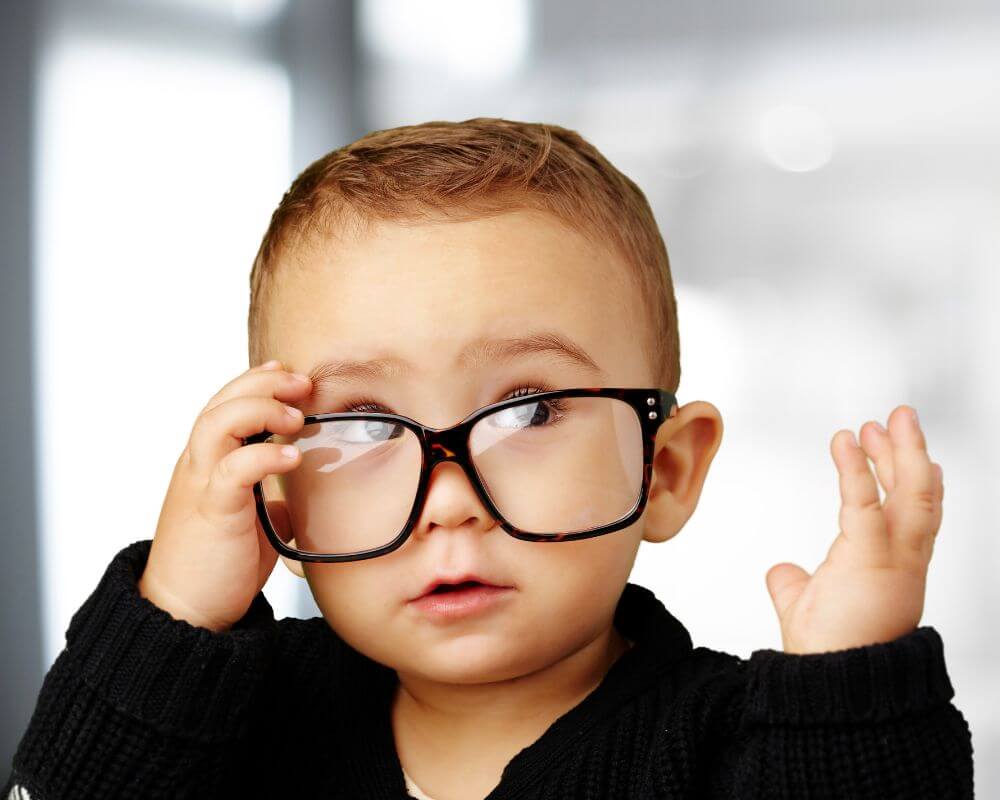
Hey there, fellow parents and curious minds! Today, I’m thrilled to take you on a captivating journey into the mesmerizing realm of your baby’s sense of sight. Those little eyes are windows to a world of wonder and discovery, and understanding how they work is essential for nurturing your baby’s early development. So, grab a comfy seat, a warm beverage, and let’s dive deep into the incredible world of your baby’s vision.
The Marvel of Baby Vision
The First Glimpse
When your baby is born, their sense of sight is still in its early stages of development. Newborns typically see the world in a hazy, black-and-white blur. They can detect light, movement, and shapes, but their vision is far from the clear and colorful world that we adults experience.
Development Milestones
As your baby grows, their vision goes through several developmental milestones. Here’s a glimpse of what to expect:
The First Month:
- Focusing: In the early weeks, your baby’s eyes may not always work together. They might cross or appear misaligned. This is normal as their eye muscles are developing.
- Preference for Faces: Babies are naturally drawn to faces. They’ll often fixate on your face when you hold them close.
Two to Four Months:
- Improved Focus: By two months, your baby’s eyes start working together more effectively. They can follow moving objects with their gaze.
- Color Perception: Around three months, your baby begins to see a broader spectrum of colors.
Four to Six Months:
- Depth Perception: Your baby’s sense of depth and distance starts to develop. They may reach for objects with more accuracy.
- Tracking: They can now track moving objects smoothly and may enjoy toys that move or dangle.
Six to Eight Months:
- Fine Details: As their vision sharpens, your baby can see finer details and may become more interested in small objects.
- Exploration: They’ll likely become more exploratory and want to touch and examine objects they see.
The Role of Visual Stimulation
Providing visual stimulation is crucial for your baby’s visual development. Here are some ways to engage and support their growing sense of sight:
- High-Contrast Toys: Babies are initially drawn to high-contrast patterns and toys. Black and white toys with bold patterns can captivate their attention.
- Face Time: Interacting with your baby through eye contact and facial expressions fosters their interest in faces and social connections.
- Colorful Mobiles: Hang a colorful mobile above your baby’s crib. This can encourage them to focus and track moving objects.
- Tummy Time: Place your baby on their tummy while awake and supervised. This helps them strengthen their neck and back muscles while exploring their surroundings.
Visual Milestones in the First Year
Birth to Three Months
During this period, your baby’s vision is still developing, and they rely on their sense of touch and hearing. You can help by:
- Providing High-Contrast Toys: Offer black-and-white toys with bold patterns to engage their visual attention.
- Talking to Them: Talking to your baby while making eye contact supports their social and visual development.
- Using Face Time: Spend quality face-to-face time with your baby, as they are naturally drawn to faces.
Three to Six Months
Around this time, your baby’s visual abilities begin to improve. You can encourage their development by:
- Introducing Colors: Start introducing colorful toys and objects to broaden their color perception.
- Offering Interactive Toys: Toys with mirrors, textures, and different shapes can be engaging for your baby.
- Using Visual Tracking Toys: Toys that move or spin can help your baby practice tracking moving objects.
Six to Nine Months
As your baby reaches their half-year mark, their vision becomes more sophisticated. To support their development:
- Provide Fine Details: Offer toys with intricate details and various textures for exploration.
- Encourage Crawling: If your baby is crawling, this promotes depth perception and visual-motor coordination.
- Read Together: Reading colorful books with simple illustrations is a fantastic way to engage their visual senses.
Nine to Twelve Months
By the end of the first year, your baby’s vision is significantly improved. You can further stimulate their visual development by:
- Playing Peek-a-Boo: Games like peek-a-boo enhance object permanence, a key visual concept.
- Building with Blocks: Building towers or structures with blocks helps develop spatial awareness.
- Outdoor Exploration: Taking your baby outdoors exposes them to a wide range of visual stimuli, from nature’s beauty to people and objects.
Common Vision Concerns and When to Seek Help
While most babies’ vision develops naturally, it’s essential to be aware of potential issues and when to seek professional advice. Here are some common concerns:
Strabismus (Crossed Eyes)
It’s normal for a newborn’s eyes to appear misaligned at times, but if this persists beyond a few months, it could be strabismus. Signs to watch for include eyes that consistently cross or turn outwards. If you notice this, consult a pediatrician or pediatric eye specialist.
Amblyopia (Lazy Eye)
Amblyopia occurs when one eye has weaker vision than the other, often due to crossed eyes or a significant difference in prescription between the eyes. Early detection and treatment are essential, so consult a specialist if you suspect your baby has amblyopia.
Refractive Errors
Refractive errors, such as nearsightedness (myopia), farsightedness (hyperopia), or astigmatism, can affect a baby’s vision. If your baby consistently squints, has difficulty focusing, or displays other signs of vision discomfort, consult an eye specialist.
Cataracts
Cataracts are rare in babies but can affect vision. If you notice a cloudy or white appearance in your baby’s pupil or if you’re concerned about their vision, seek immediate medical attention.
When to Schedule an Eye Exam
Your baby’s vision is a precious gift, and regular eye exams can help ensure it develops correctly. Here’s a general guideline for scheduling eye exams:
- Newborn: Schedule a comprehensive eye exam by six months of age.
- Preschool Age: From ages 3 to 5, consider another eye exam to detect potential vision issues early.
- School Age: After starting school, regular eye exams can help monitor and address any vision changes.
Nurturing a Lifelong Love for Books
Your baby’s sense of sight plays a significant role in their early literacy development. Here’s how you can foster a love for books from the beginning:
- Board Books: Invest in sturdy board books with bright colors and simple illustrations that your baby can explore with their hands and eyes.
- Reading Ritual: Make reading a part of your daily routine, whether it’s before naps, bedtime, or anytime in between.
- Interactive Reading: Engage your baby during storytime by asking questions, making sound effects, and encouraging them to touch and explore the book.
- Visit the Library: Libraries often offer baby-friendly programs and storytimes. It’s a fantastic way to introduce your little one to the joy of books and social interaction.
Embracing Your Baby’s Unique Visual Journey
Every baby’s visual development is a unique and wonderful journey. While developmental milestones provide a general guide, remember that all babies develop at their own pace. Embrace the marvel of your baby’s evolving vision, and cherish every moment of discovery together.
Share This Story, Choose Your Platform!


Latest Post

Latest News To Your Inbox
Subscribe to hear about our latest blog posts, competitions and special offers.