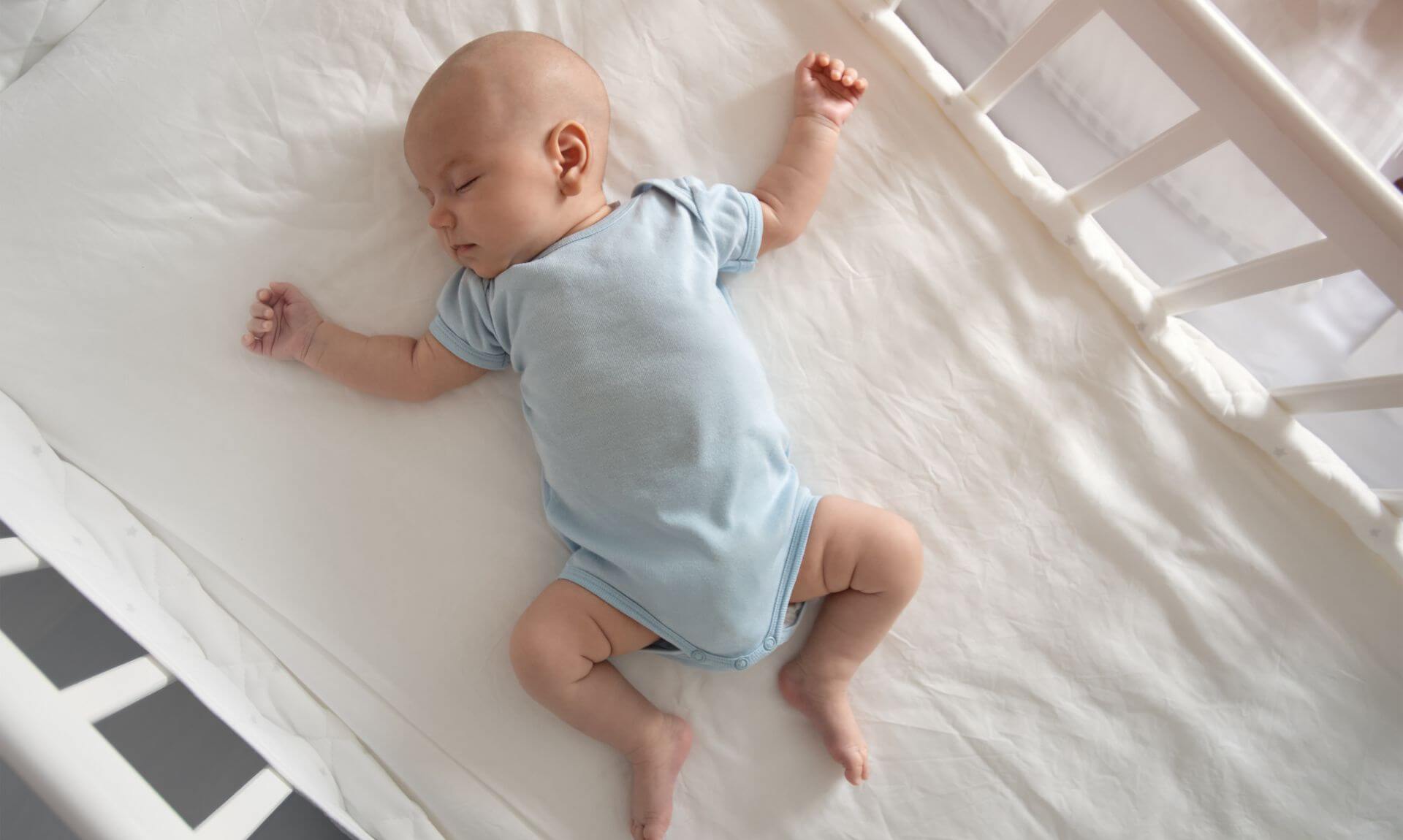
The Amazing Journey of Baby’s First Steps

Hey there, fellow parents and baby enthusiasts! Today, I’m thrilled to dive deep into one of the most heartwarming and exciting milestones in your child’s life – their walking timeline. We’ll be exploring everything from those first wobbly attempts to confident strolls and even toddler treks. So grab a cup of coffee, get comfy, and let’s embark on this incredible journey together!
The Seed is Planted: Early Months
0-3 Months: The Groundwork
Just like we plant seeds in fertile soil, your baby starts laying the foundation for walking from birth:
- Infant Reflexes: In the early weeks, your baby might display reflexes like stepping when held upright, but they can’t bear weight on their legs yet.
- Tummy Time: Tummy time is your baby’s first exercise routine, helping develop essential muscles.
- Leg Strength: Your little one’s leg muscles are gradually strengthening through kicking and stretching.
3-6 Months: Sprouting
As your garden begins to sprout, so does your baby’s potential for walking:
- Rolling Over: Around 4-6 months, your baby might start rolling over, showing more control over their body.
- Sitting Up: Improved core strength allows them to sit with support, a crucial milestone.
- Pushing with Legs: You’ll notice your baby pushing against your hands when held upright, indicating a desire to stand.
Taking Root: Pre-Walking Months
6-9 Months: Crawling and Cruising
Just as plants establish their roots, your baby starts exploring movement:
- Crawling: Some babies begin crawling, while others opt for scooting or a combination of methods.
- Pulling to Stand: They become experts at pulling themselves up to stand using furniture or your hands.
- First Steps: Around 9 months, a few brave souls might take their first steps, but most are still working on balance and coordination.
9-12 Months: Preparing for Flight
Plants grow leaves to capture sunlight, and your baby is gearing up for walking:
- Cruising: Your baby becomes a “cruiser,” moving along furniture or walls while holding on.
- Standing Alone: Some may briefly stand without support, a thrilling but wobbly achievement.
- Improved Balance: Balance and stability improve as they practice standing.
Blooming into Walkers: The Walking Months
12-15 Months: First Steps
Just as a bud blossoms into a flower, your baby takes their first independent steps:
- First Steps: Typically around their first birthday, many babies take those memorable first steps.
- Walking Style: Their gait may be wide-legged and wobbly, resembling a toddler Frankenstein – adorable!
- Exploration: Walking opens up a world of exploration, and your little one is eager to discover.
15-18 Months: Gaining Confidence
Like a flower in full bloom, your child’s walking skills become more refined:
- Confident Walking: They gain confidence and speed in their walking.
- Turning and Stopping: They learn to turn, stop, and even change direction while walking.
- Stairs: Some may start attempting stairs (with supervision, of course).
Cultivating Independence: Toddler Years
18-24 Months: Toddler Trek
Just as plants mature and bear fruit, your toddler is on a journey of independence:
- Running: Running becomes their favorite pastime, so get ready to keep up!
- Kicking and Throwing: Gross motor skills improve, making activities like kicking a ball a hit.
- Walking Toys: They enjoy pushing or pulling walking toys as they go.
24-36 Months: Mastering Mobility
By now, your toddler is like a well-rooted tree, firmly grounded:
- Skipping and Hopping: Some may start skipping or hopping, showcasing impressive coordination.
- Dancing: Grooving to music becomes a daily ritual.
- Outdoor Adventures: They’re eager to explore the great outdoors and may even tackle small obstacles.
Nurturing the Walking Journey
Just as we tend to our gardens, nurturing your child’s walking journey is essential:
- Supportive Environment: Create a safe space with soft surfaces for practice.
- Encouragement: Offer plenty of encouragement and praise for their efforts.
- Footwear: Invest in comfortable, flexible shoes when they start walking outside.
- Balanced Diet: Proper nutrition supports healthy growth and muscle development.
- Regular Check-ups: Pediatric check-ups ensure they’re hitting developmental milestones.
Unique Growth Timelines
Remember, like different plant species, every child’s walking timeline is unique. Some may take their first steps earlier, while others may wait until later. It’s all part of their individual growth journey.
So, just as we watch our gardens bloom in their own time, watch your child’s walking journey unfold with patience and joy. Every stumble and tumble is a step towards greater independence and exploration.
Share This Story, Choose Your Platform!


Latest Post


Latest News To Your Inbox
Subscribe to hear about our latest blog posts, competitions and special offers.