
Fun and Development-Boosting Games to Play With Your Baby

Hello, fellow parents and playful souls! Welcome to a comprehensive guide on engaging and development-boosting games to play with your precious bundle of joy. This in-depth article will not only fill your days with joy but also help you understand how playtime contributes to your baby’s cognitive, physical, and emotional development. So, let’s jump right in and explore the wonderful world of baby games together!
Introduction: The Transformative Power of Play
Playing with your baby is much more than just fun and games; it’s a powerful tool for their growth and development. In fact, every giggle, every cuddle, and every game you play contributes to your baby’s overall well-being and learning.
Why Play Matters
Before we dive into the games, let’s take a moment to understand why playtime is so crucial:
- Cognitive Development: Play stimulates curiosity, problem-solving, and creativity.
- Motor Skills: Physical play helps babies develop coordination and muscle strength.
- Language Skills: Interactive play encourages language development and communication.
- Emotional Bonds: Play fosters a strong emotional connection between you and your baby.
- Social Skills: Games with others teach cooperation and turn-taking.
Games for Babies: From Newborn to Toddler
1. Peek-a-Boo (0-6 Months)
Materials: A soft cloth or your hands
How to Play: Cover your face with the cloth or your hands and say, “Peek-a-boo!” Watch your baby’s face light up when you reveal yourself. This game helps babies understand object permanence.
Why It Matters: Object permanence is a fundamental concept that teaches your baby that things exist even when they can’t see them. It’s a critical cognitive milestone.
2. Tummy Time (0-6 Months)
Materials: A soft, safe surface
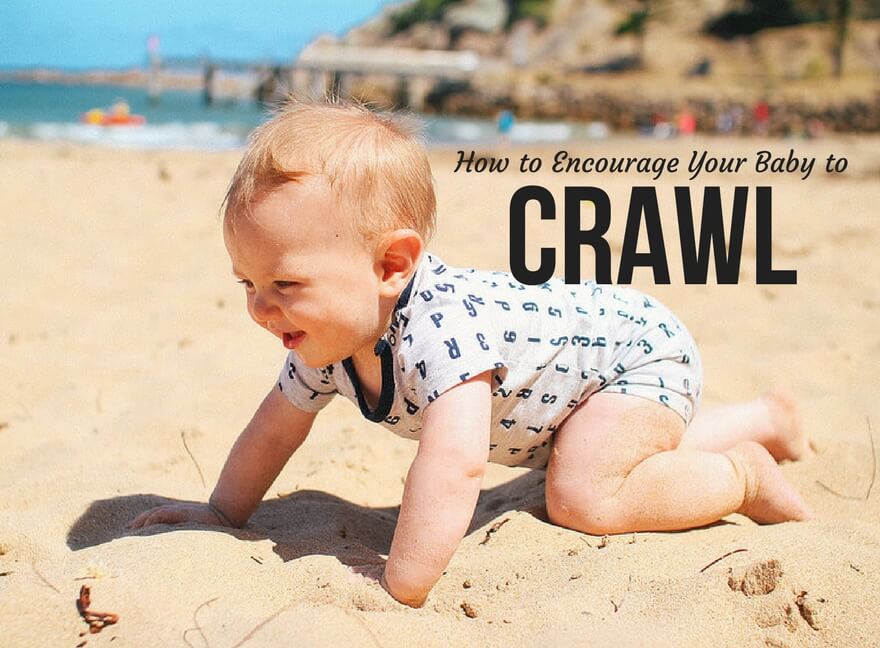
How to Play: Place your baby on their tummy for short periods, gradually increasing the time. This strengthens neck and back muscles and prepares them for crawling.
Why It Matters: Tummy time is essential for developing the muscles needed for head control and later crawling.
3. Sensory Play with Fabric (0-6 Months)
Materials: Soft fabrics with different textures
How to Play: Let your baby explore different fabrics—silky, fuzzy, and rough. This sensory play enhances their tactile awareness.
Why It Matters: Sensory play stimulates your baby’s senses and helps them make sense of the world around them.
4. High-Five (6+ Months)
Materials: Your hands
How to Play: Offer your baby a high-five when they reach out. This game encourages reaching and coordination.
Why It Matters: High-fives promote physical interaction and coordination, strengthening your baby’s motor skills.
5. Exploring Mirrors (6+ Months)
Materials: Baby-safe mirror
How to Play: Show your baby their reflection in the mirror. This helps with self-recognition and visual tracking.
Why It Matters: Mirror play enhances self-awareness and visual tracking abilities.
6. Stacking Blocks (6+ Months)
Materials: Soft stacking blocks
How to Play: Help your baby stack and knock down soft blocks. This improves fine motor skills and hand-eye coordination.
Why It Matters: Stacking blocks teaches problem-solving and fine motor skills as your baby figures out how to build and balance.
7. Peek-a-Who? (6+ Months)
Materials: A lift-the-flap book
How to Play: Read a lift-the-flap book together and ask, “Who’s hiding?” This promotes language development and surprise reactions.
Why It Matters: Interactive books engage your baby’s attention and encourage language development.
8. Water Play (6+ Months)
Materials: A shallow container of water and baby-safe toys
How to Play: Let your baby splash and play in shallow water. This sensory experience is both fun and calming.
Why It Matters: Water play introduces your baby to different sensations, and it can be a soothing experience.
9. Sing-Along (6+ Months)
Materials: Your voice and nursery rhymes
How to Play: Sing nursery rhymes and songs to your baby. It enhances language development and rhythm recognition.
Why It Matters: Music is a powerful tool for language development and emotional bonding.
10. Texture Treasure Hunt (9+ Months)
Materials: Various textured objects
How to Play: Hide textured objects under a blanket and let your baby discover them one by one. This game enhances tactile and sensory exploration.
Why It Matters: Texture exploration helps your baby’s brain make important sensory connections.
11. Ball Roll (9+ Months)
Materials: A soft ball
How to Play: Gently roll the ball back and forth. This game promotes visual tracking and gross motor skills.
Why It Matters: Tracking the ball enhances your baby’s visual abilities, and playing together promotes bonding.
12. Puppet Show (9+ Months)
Materials: Hand puppets or stuffed animals
How to Play: Put on a puppet show with funny voices and simple stories. This sparks your baby’s imagination and social skills.
Why It Matters: Puppet shows encourage imagination and social interaction.
13. Sorting Shapes (12+ Months)
Materials: Soft shapes in different colors
How to Play: Encourage your baby to sort shapes by color or shape. This boosts cognitive and problem-solving skills.
Why It Matters: Shape sorting helps your baby understand basic concepts and improve their cognitive abilities.
14. Musical Instruments (12+ Months)
Materials: Baby-safe musical instruments
How to Play: Introduce your baby to musical instruments like shakers and drums. This fosters a love for music and rhythm.
Why It Matters: Music stimulates creativity, rhythm recognition, and emotional expression.
15. Obstacle Course (12+ Months)
Materials: Pillows, cushions, and safe obstacles
How to Play: Create a mini obstacle course for your baby to crawl or walk through. This enhances gross motor skills and spatial awareness.
Why It Matters: Obstacle courses promote physical activity and motor skill development.
16. Shadow Puppets (15+ Months)
Materials: A flashlight
How to Play: Shine a flashlight on a wall and create simple shadow puppets. This sparks your baby’s imagination and visual tracking.
Why It Matters: Shadow play encourages imagination and visual tracking.
17. Nature Exploration (15+ Months)
Materials: A nature-filled walk
How to Play: Take your baby on nature walks and explore leaves, flowers, and insects. This ignites their curiosity and appreciation for the outdoors.
Why It Matters: Nature exploration enhances your baby’s connection with the natural world and stimulates curiosity.
18. Treasure Hunt (18+ Months)
Materials: Safe objects to find
How to Play: Hide objects for your baby to find around the house. This game sharpens their observation skills.
Why It Matters: Treasure hunts promote problem-solving and observation skills.
19. Colorful Painting (18+ Months)
Materials: Washable, non-toxic paint and paper
How to Play: Let your baby experiment with finger painting. This encourages creativity and sensory exploration.
Why It Matters: Artistic expression through painting fosters creativity and fine motor skills.
20. Storytelling (18+ Months)
Materials: Picture books
How to Play: Share picture books and create stories together. This enhances language skills, imagination, and bonding.
Why It Matters: Storytelling nurtures language development, imagination, and the bond between you and your baby.
Conclusion: Play, Learn, and Grow Together
Playing with your baby isn’t just about keeping them entertained—it’s a beautiful journey of exploration, discovery, and love. These games not only bring joy to your days but also provide a foundation for your baby’s cognitive, physical, and emotional development.
So, fellow parents, let’s cherish these precious moments of play, learn from our little ones, and watch them grow into amazing individuals, one game at a time.
Share This Story, Choose Your Platform!


Latest Post


Latest News To Your Inbox
Subscribe to hear about our latest blog posts, competitions and special offers.