How to Encourage Your Baby to Crawl
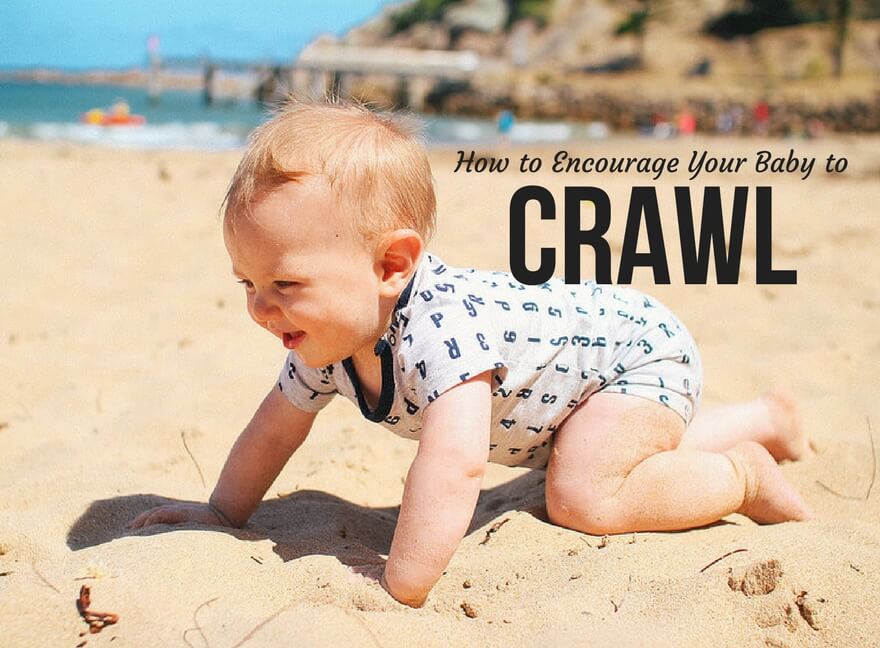
Watching your baby figure out how to move on their own is one of those milestones that feels like a genuine turning point. One day they’re stuck where you put them, the next they’re plotting a route across the living room towards the dog’s water bowl. Most parents can’t wait for it to happen. And then, once it does, most parents spend the next year wondering why they were in such a hurry.
Before we get into how to encourage crawling, it helps to understand what’s actually going on underneath it. Crawling isn’t a single skill that appears out of nowhere. It’s the end result of months of smaller developments: neck control, back and core strength, shoulder stability, and the ability to shift weight from side to side without toppling over. Occupational therapists often point out that babies need to build strength along all four sides of the body, front, back, and both sides, before they have what they need for rolling, sitting, and eventually crawling.
That means the most useful thing you can do isn’t really “teaching” your baby to crawl. It’s giving them lots of varied, unstructured floor time so their body can build the strength and coordination crawling requires. If you check with your health visitor or paediatrician, most will tell you the same thing: the goal is opportunity, not instruction.
Build the foundation first
Before you start setting up little crawling “challenges,” make sure your baby is getting a good mix of positions and movement throughout the day. This includes:
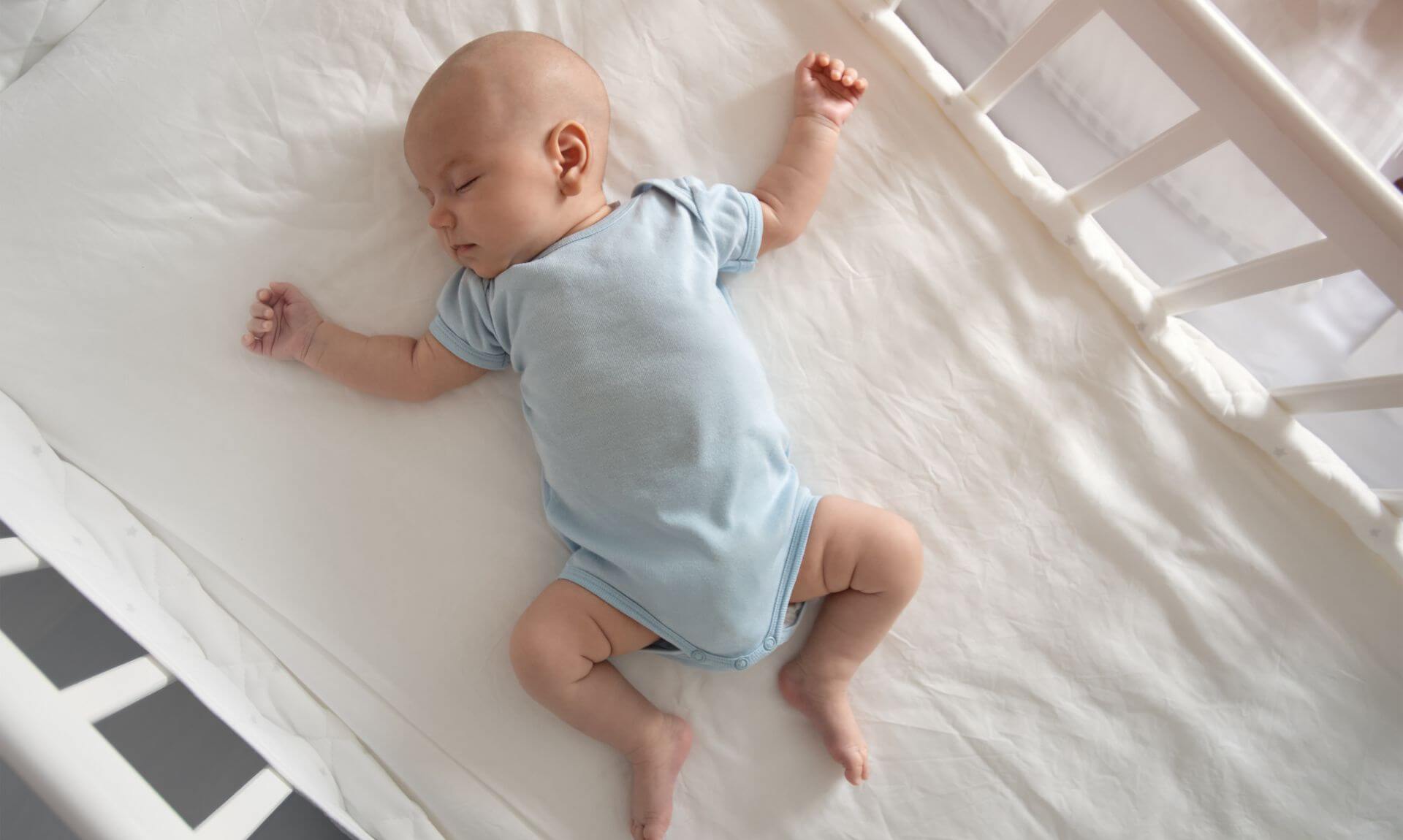
- Regular tummy time, ideally several short sessions a day rather than one long one
- Time spent lying on their side during play, which helps them learn to prop on one arm
- Time on their back too, reaching for toys and bringing their feet to their hands
- Practice with rolling and what therapists sometimes call “functional sitting,” where baby moves in and out of sitting rather than being propped up like a doll
- Freedom to belly crawl, pivot in a circle, and generally wriggle about on the floor without you steering them
It also helps to keep “container time” to a minimum: bouncers, swings, playpens, and baby walkers are fine occasionally, but if baby spends most of their waking hours strapped or propped into something, they simply don’t get the chance to practise the movements crawling depends on. A bit of supervised floor time on a rug or play mat most days makes a real difference over the weeks.
If your baby genuinely dislikes tummy time, our article on making tummy time fun has some good ideas for getting more of it in without a fight.
When do babies usually start crawling?
There’s a wide normal range here, which is worth remembering before you start comparing notes with other parents at baby group. Many babies begin some form of crawling between 6 and 10 months, but plenty start earlier or later, and a good number never do a classic hands-and-knees crawl at all. Some babies bottom-shuffle, some commando-crawl on their belly for months and skip the all-fours stage entirely, and some go straight from sitting to cruising along the furniture. All of these are considered within the range of typical development. If your baby isn’t crawling by 12 months, or you’re noticing they’re not bearing weight on their legs, not using both sides of their body equally, or seem to have lost skills they’d previously gained, it’s worth mentioning to your GP or health visitor at your next check, just so they can have a look and put your mind at ease.
Practical ways to encourage crawling
Once your baby has decent head control, can push up on their forearms during tummy time, and is starting to rock forward and back on their hands and knees, you can start giving them small, low-pressure opportunities to practise. These are a few approaches that tend to work well.
1. Give their hands something slightly raised to reach for
Placing a favourite toy on a low, soft surface, like a folded blanket, a couch cushion, or a stack of towels, encourages baby to reach up and forward with their hands rather than staying flat. Keep it soft to start with. Babies attempting this for the first time will often faceplant more than once, and a firm surface will make that a lot less fun for everyone.
2. Let them play on a slightly squishy surface
A folded duvet, a thick play mat, or even a pile of cushions gives baby’s arms and legs more work to do as they try to move across an uneven surface. This engages more muscle groups than a flat, firm floor, and some babies actually find it easier to get their first crawling movements going on a slightly soft surface rather than a hard one, because the give in the surface helps them push off.
3. Use a rolled towel or small blanket under the tummy
Rolling up a hand towel or small blanket and placing it under baby’s tummy and chest, so their arms and legs are free to move, can help them understand what to do with their knees and lower abdominal muscles. It’s a nice in-between step for babies who are belly crawling well but haven’t yet worked out how to get their tummy off the ground and onto all fours.
4. Get down on the floor with them
Babies are natural imitators. Getting down on your hands and knees at their level and moving around, even just a little, gives them something to watch and copy. It also puts you at the right height to cheer them on and catch them if they overbalance.
5. Angle a mirror where they can see themselves move
A lot of babies are fascinated by their own reflection. Propping a securely fixed, baby-safe mirror at floor level (never a real glass mirror that could break or fall) gives them a reason to shuffle towards it and something interesting to look at once they get there.
A word on pushing too hard
It’s worth saying plainly: you can’t really rush this. Babies build strength and coordination in their own time, and constant physical “helping”, propping them into a crawling position over and over, holding their hips up, or repeatedly moving their limbs for them, tends to frustrate babies rather than speed things along. If your baby is clearly not in the mood, let it go and try again another day. Following their lead, and stepping in with encouragement when they’re already interested, works far better than turning floor time into a structured lesson.
Remember how good it felt the first time you managed something entirely on your own? That’s what crawling is for your baby: their first real taste of independence. Give them room to enjoy it at their own pace. Support the attempts when they’re having a go, and leave them be when they’d rather chew on a toy or be carried around the house on your hip. Both are fine.
Once they do get going, do a quick check around the house for anything within crawling reach that shouldn’t be, and get down on the floor yourself to see the world from their height. It’s a good way to spot hazards you’d otherwise miss. And enjoy this slightly slower, easier stage while it lasts. Once your baby is properly mobile, you’ll be amazed how quickly “staying in one spot” becomes a thing of the past.
Share This Story, Choose Your Platform!

Latest Post


Latest News To Your Inbox
Subscribe to hear about our latest blog posts, competitions and special offers.