
How to Design Your Baby’s Nursery
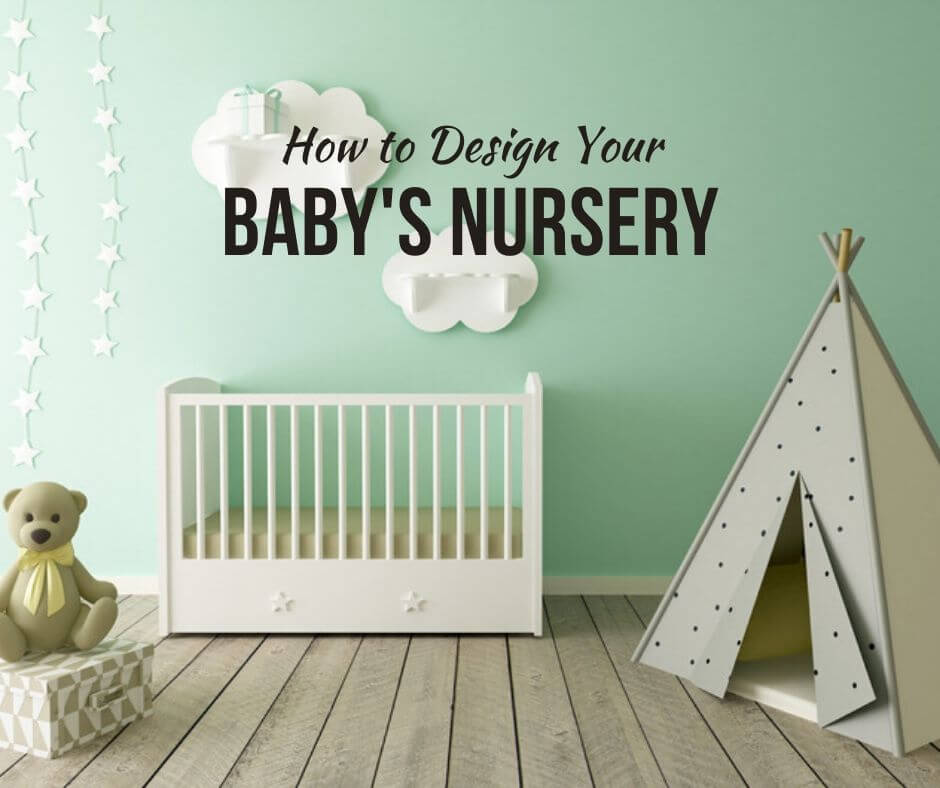
How to design your baby’s nursery
Decorating a nursery is one of the genuinely fun bits of getting ready for a new baby, but it’s also one of the tasks that can spiral out of control. You start with a cot and a colour scheme in mind, and three weeks later you’re stood in a shop aisle wondering if you really need a wipe warmer. You don’t. Let’s get you a nursery that actually works for daily life with a newborn, not just one that photographs well.
Before you buy anything, it helps to think about the room in terms of what actually happens in it: sleeping, feeding, and nappy changes, mostly at 3am when you’re half asleep yourself. Design around that, and the pretty bits can come after.
Picking a theme (and thinking about safety first)
Plenty of people still default to blue for boys and pink for girls, but most parents these days go for something a bit less rigid. Soft neutrals, animal prints, forest or space themes, and gender-neutral palettes (sage green, warm white, mustard, terracotta) are all popular, mainly because they don’t box you into anything and they age well as your child grows.

A gender-neutral nursery isn’t just trendy, it’s practical. If you’re not finding out the sex before birth, or you’re planning more children later, a neutral scheme means you’re not repainting or rebuying everything in a few years. It also tends to make secondhand furniture and hand-me-down clothes easier to use, which is a real money saver.
Whatever theme you choose, keep a few safety basics in mind from the start:
- Avoid heavy picture frames, shelving or mirrors hung directly above or near the cot, in case they ever come loose.
- If you’re using paint, choose a low-VOC or water-based nursery-safe paint, and let the room air out for a couple of weeks before your baby sleeps in there.
- Fit a smoke alarm (and a carbon monoxide alarm if there’s any gas appliance nearby) and actually test it.
- Any freestanding wardrobes, bookcases or drawer units should be anchored to the wall with anti-tip brackets, especially once your baby becomes a climbing toddler.
Working out the room layout
It’s easier to plan furniture placement if you think of the nursery in three zones: sleeping, feeding, and changing/storage. You don’t need a huge room to fit all three, but try to keep the cot away from radiators, windows, and anything with cords or curtains hanging near it. Blind and curtain cords are a genuine strangulation risk for curious toddlers later on, so cordless blinds or ones with a cord-cleat fixed high on the wall are worth the small extra cost.
If you can, put the changing area near the door or on the same side as the drawers so you’re not walking a nappy across the room, and keep the nursing chair somewhere away from direct window glare so you’re not fighting the sun during 3am feeds either.
Choosing the furniture
You’ll be tempted by a lot of “essential” items in shops and online, most of which you don’t actually need in the first few months. Focus on the pieces below first, and add extras later once you know what your baby actually uses.
The cot and bedding
The cot is the centrepiece of the room and the one item where safety matters more than style. Look for a cot that meets current safety standards for your country (in the UK, look for BS EN 716; in the US, look for a Juvenile Products Manufacturers Association or CPSC-compliant certification). Slats should be close enough together that a baby’s head or limbs can’t get stuck, the mattress should fit snugly with no gaps around the edges, and the mattress itself should be firm and flat, not soft or springy.
For bedding, current safe sleep guidance (from the NHS and similar bodies elsewhere) recommends a firm, flat mattress with just a fitted sheet, and nothing else in the cot for at least the first six months: no pillows, no duvets, no cot bumpers, no soft toys. It feels a bit bare for a nursery you’ve spent weeks decorating, but it genuinely reduces risk, so save the cute cushions and soft toys for display on a shelf rather than in the cot itself. Do check current advice with your midwife or health visitor, as safe sleep guidance is updated from time to time.
Most guidance also recommends room-sharing (your baby sleeping in your room, in their own cot or Moses basket) for at least the first six months, so don’t feel you need to rush the nursery itself into full use straight away.
Drawers, wardrobe and storage
You will go through more baby clothes, muslins and nappies than you’d think, so proper storage earns its keep fast.

Go for a classic or neutral dresser or wardrobe if you can, something that will still look right in a toddler’s room or even a child’s room later, rather than a piece that only fits the newborn theme. A full-size wardrobe is useful for bulkier items (coats, blankets, bags of the next clothing size up), while drawers are better for the things you reach for several times a day, like vests, sleepsuits and muslins. Whatever you buy, anchor it to the wall, particularly once your baby starts pulling up on furniture.
Changing station
A changing station will get heavy use for a good while before potty training, so it’s worth getting the height right. A changing pad on top of a dresser at roughly hip height means you’re not hunching over or stretching up during every single change, which matters when you’re doing it eight or ten times a day. Keep everything you need within arm’s reach: nappies, wipes, a spare change of clothes, and a nappy bin or bag, so you’re never leaving your baby unattended on the changing surface to grab something. Never leave a baby unattended on a raised changing surface, even for a second, as falls from changing tables are a real and common cause of injury.
Nursing or feeding chair

You’ll likely spend more hours in this chair than anywhere else in the house for the first few months, whether you’re breastfeeding, bottle-feeding, or just trying to settle a fussy baby at 2am. A chair with proper armrests makes a real difference to comfort, especially if you’re feeding for long stretches. Gliders and rockers are popular because the motion can help soothe a baby to sleep, but test any chair for comfort and back support before buying, since you’ll be in it for a lot longer than you might expect.
A small side table nearby for water, a burp cloth and your phone (or a book, if you’re lucky enough to have a hand free) is a small addition that makes late-night feeds a bit more bearable.
Lighting and window coverings
Nurseries need at least two kinds of lighting: something dim and low for night feeds and nappy changes that won’t fully wake your baby (or you), and something brighter for daytime play and getting dressed. A dimmer switch or a simple plug-in nightlight covers most of this without much cost.
Blackout blinds or curtains are worth the investment, particularly for daytime naps in summer when it can stay light until quite late. If cost is tight, a cheap blackout blind liner behind an existing curtain does a similar job. As mentioned above, avoid looped cords on blinds near the cot, and choose cordless or cord-cleat versions instead.
If you’re choosing curtains or blinds to match a paint colour, buy the fabric and paint samples at the same time. Loads of parents end up repainting because the curtains they loved didn’t actually match the wall colour once it was up.
Decorating the walls
A blank wall is a wasted opportunity, and it’s usually the cheapest part of the whole nursery to get right. A feature wall in a soft colour, a simple mural, or removable wall decals are all easy ways to add personality without spending a fortune. Decals in particular are useful because they can be repositioned or swapped out as your baby grows into a toddler, without damaging the paint underneath, so your “jungle animal” nursery can quietly become a “big kid’s room” without a full redecorate.
If you do want to paint directly, test a sample patch first and let it cure properly (usually a couple of weeks) before your baby spends time in the room, to let any fumes clear.
A quick word on budget
You genuinely don’t need to buy everything new. Cots, mattresses and car seats should always be bought new or from a source you trust completely, because safety standards change and you can’t always tell if an old mattress or cot has hidden damage. But dressers, wardrobes, chairs and decorative items are often fine secondhand, and buying classic, neutral pieces means they’ll still suit the room in a few years, saving you from doing this all over again for a toddler bedroom.
Take your time with the big decisions (the cot, the layout, the safety basics) and let the fun, decorative parts come together more loosely. You’ll be spending a lot of tired, bleary hours in this room, so comfort and practicality will matter to you a lot more than they do right now, standing in the shop deciding between two shades of grey.
Share This Story, Choose Your Platform!



Latest Post


Latest News To Your Inbox
Subscribe to hear about our latest blog posts, competitions and special offers.