
How to Help Siblings Bond with A New Baby
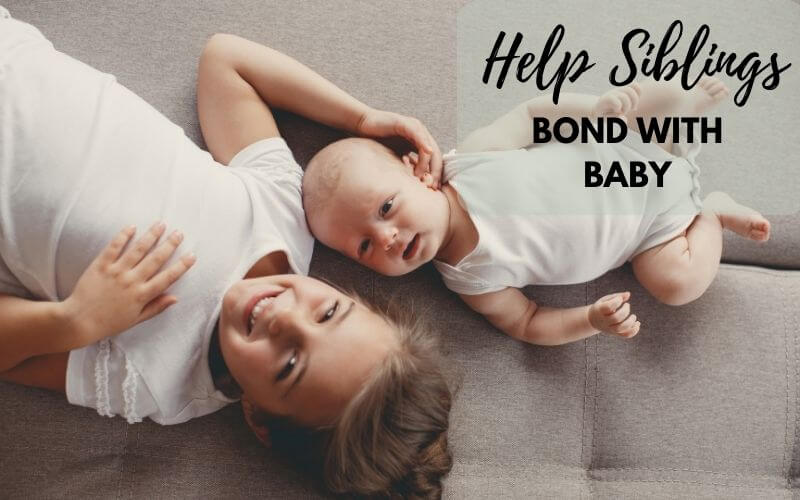
Adding a new baby to the family is one of the biggest changes a young child will ever face. One day they’re the only child (or the youngest, or the only girl, whatever their spot in the family has been) and the next they’re sharing your lap, your attention and your energy with someone who cries a lot and does nothing much in return. It’s completely normal for older siblings to feel a mix of excitement, curiosity and quiet resentment, sometimes all in the same hour. With a bit of planning and some patience, you can help that relationship start off on the right foot, even if it wobbles a bit along the way.
Start preparing before the baby arrives
Small children understand the world through what they can see and touch, so “there’s a baby in mummy’s tummy” can be a genuinely tricky concept, especially for under-threes. It helps to bring it back to something concrete: show them photos of themselves as a newborn, or point out that they once lived in your tummy too and grew into the big boy or girl standing in front of you now.
Picture books about becoming a sibling are worth getting from the library a few months before your due date rather than saving them for the last minute, so the idea has time to sink in gradually. Let your child feel the baby kick if they want to, and answer their questions honestly but simply. If you’re moving your older child out of the cot or into a new bedroom to make way for the baby, try to do this well before the birth (ideally a couple of months), so it doesn’t feel like they’re being pushed out to make room for the newcomer.
If your child will be attending nursery or starting school around the same time as the birth, try to space these changes out where you can. Too much upheaval at once tends to show up as clinginess, tantrums or sleep problems.
Think carefully about the first meeting
The first introduction sets a bit of a tone, so it’s worth planning rather than leaving to chance. If you’re having a hospital birth, it often works well for someone else to be holding the baby when your older child arrives, so your arms are free to give them a proper hug and your full attention first. Let your child come to the baby in their own time rather than pushing them to kiss or hold straight away. Some children want to dive in immediately, others hang back and observe for a while, and both are completely normal reactions.
A small gift “from the baby” to the sibling can help soften the moment, and some parents like to give the sibling a small present to give to the baby in return, so it feels like a two way exchange rather than the new arrival simply taking things away from them.
Give your child a real, age-appropriate job
Children generally cope better with change when they feel useful rather than sidelined. Rather than vague reassurance that they’re still important, give them something concrete to do. A toddler can fetch nappies, wipes or a muslin cloth. A four or five year old can choose which babygrow the baby wears, help pick a song for bedtime, or be in charge of reminding everyone to use “quiet voices” while the baby naps.
If they want to be more hands on, teach them properly rather than just saying “be gentle.” Show them how to kiss the top of the head instead of the face, how to stroke rather than pat, and how to sit on the sofa with a cushion on their lap so they can hold the baby safely with support underneath. Always stay within arm’s reach when a young child is holding a newborn, even if they’ve done it several times before. A doll or teddy is a good way for children who want to practise nappy changing, feeding or burping without the pressure of doing it on a real baby.
Try not to overload them with responsibility, though. A young sibling is a helper, not a built-in babysitter, and shouldn’t be left in charge of watching the baby even for a moment.
Protect one-on-one time, even if it’s short
This is probably the single most useful thing you can do, and also the hardest in the newborn haze. Even fifteen minutes of undivided attention, doing something your older child chooses, matters more than a lot of well-meant explanations about how much you love them both. If you have a partner or another family member around, try to swap so each adult gets some solo time with the older child while the other has the baby.
Naming what you’re doing out loud can help too: “I’m going to read you two stories now while the baby is asleep, just you and me.” Specific, individual praise also goes a long way. Instead of general compliments, try things like “I love the way you always make your sister laugh” or “thank you for helping me find the muslin so quickly.” Children hold onto specific comments like this far more than blanket reassurance.
Expect some regression, and don’t panic about it
It’s very common for toddlers and preschoolers to temporarily slip backwards after a new baby arrives. Toilet training accidents, wanting a bottle or dummy again, baby talk, clinginess or disrupted sleep are all normal short-term reactions to a big change, not signs that something has gone wrong. Try to respond gently rather than telling them off for “acting like a baby.” Most of this settles within a few weeks to a couple of months as your child adjusts and starts to trust that they haven’t lost their place in the family.
If regression is severe, goes on for a long time, or you’re also seeing signs of low mood, withdrawal or aggression that worry you, it’s worth mentioning to your health visitor or GP. They see this kind of adjustment often and can help you work out whether it’s ordinary sibling adjustment or something that needs a bit more support.
Notice and protect their belongings
Forcing an older child to share absolutely everything with a baby who won’t even remember it can backfire. Having a few things that are genuinely theirs and off limits, whether that’s a favourite toy basket kept out of the baby’s reach or a corner of the playroom that’s just theirs, gives them a sense of control at a time when a lot feels out of their hands. You can still encourage generosity in general, but it helps to let them choose what they’re happy to share rather than assuming everything is now communal property.
Acknowledge them in front of other people too
New babies attract a lot of attention from visitors, family and strangers in the supermarket, and it’s easy for the older sibling to feel invisible during all the fuss. When someone comments on how lovely the baby is, it costs nothing to bring the older child back into the conversation: “thank you, and she’s lucky to have such a kind big brother looking after her.” Even if your child seems uninterested or is off playing nearby, they usually notice more than you’d think.
Adjust your approach to your child’s age
A two year old and a nine year old will need quite different handling. Toddlers under three often can’t really grasp what’s happening and respond best to simple routines, extra physical affection and patience with regression. Preschoolers (three to five) tend to do well with a “big helper” role and lots of specific praise, since they’re old enough to understand fairness and status within the family. School age children often worry more about being replaced in your affections than about the practical side of things, so honest conversations about your feelings for them, and keeping up their usual activities and friendships, matter more than jobs to do.
Teenagers with a much younger sibling are usually less threatened but may feel put upon if too much practical care falls on them. It’s worth being upfront that helping out is appreciated but optional, not an expectation that comes with the new baby.
A word on safety
Enthusiasm and gentleness don’t always come with good judgement in young children, so supervision matters even once a sibling seems confident around the baby. Keep an adult within reach whenever a child under about seven or eight is holding, feeding or playing with a newborn, and be especially careful around the baby’s face and airway with toys, cushions or blankets. If you’re ever unsure whether something your child wants to do with the baby is safe, it’s fine to say no for now and revisit it as the baby gets older.
Sibling bonds rarely form overnight, and a bit of friction along the way is normal rather than a sign you’re doing anything wrong. Most children come to genuinely love their new brother or sister, it just tends to happen gradually, through small moments of inclusion and reassurance rather than one big conversation. If you’re finding the adjustment particularly difficult, your health visitor is a good first port of call, they’ve usually seen every version of sibling rivalry there is and can point you towards more support if you need it.
Share This Story, Choose Your Platform!


Latest Post


Latest News To Your Inbox
Subscribe to hear about our latest blog posts, competitions and special offers.