
What Can I Eat and Drink When I’m Breastfeeding?

Hey there, amazing parents and all you baby-loving folks! If you’ve embarked on the incredible journey of breastfeeding, you already know that what you eat and drink plays a crucial role in nourishing your little one. Your body is a miraculous milk-making machine, and the foods and beverages you consume can directly impact the quality and quantity of your breast milk. But don’t worry, I’ve got your back! In this comprehensive guide, we’re going to explore all the delicious and nutritious things you can enjoy while breastfeeding, making sure that every drop of milk you provide is filled with love and nourishment for your baby.
The Ultimate Breastfeeding Diet: What to Include
Your breastfeeding diet should be all about balance, variety, and making healthy choices. Here’s what you can include to ensure that your baby gets the best of the best:
1. Plenty of Hydration
- Why? Staying well-hydrated is crucial for milk production and your overall health.
- What to Drink: Water, herbal teas (like chamomile or fenugreek), and lactation teas designed to support milk supply.
2. Fruits and Veggies Galore
- Why? Colorful fruits and vegetables are packed with vitamins, minerals, and antioxidants that benefit both you and your baby.
- Top Picks: Leafy greens, berries, oranges, carrots, and sweet potatoes.
3. Lean Proteins
- Why? Protein is essential for tissue repair and maintaining muscle mass.
- What to Eat: Lean meats, poultry, fish, tofu, legumes (beans, lentils), and eggs.
4. Healthy Fats
- Why? Healthy fats support your baby’s brain development and help your body absorb vitamins.
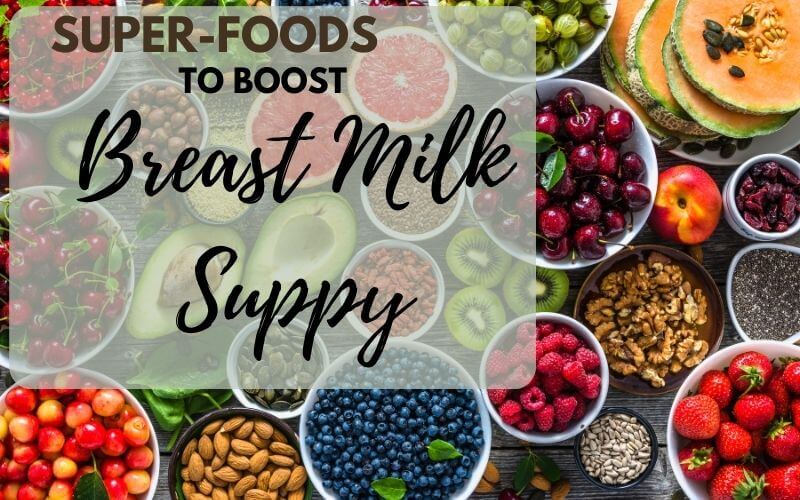
- Good Sources: Avocado, nuts (like almonds and walnuts), seeds (flaxseeds, chia seeds), and olive oil.
5. Whole Grains
- Why? Whole grains provide lasting energy and are a good source of fiber.
- What to Choose: Oats, quinoa, brown rice, whole-grain bread, and whole-wheat pasta.
6. Dairy or Dairy Alternatives
- Why? Dairy products are rich in calcium, crucial for both you and your baby.
- Options: Milk, yogurt, cheese, or fortified dairy alternatives like almond milk or soy milk.
7. Lactation-Friendly Herbs
- Why? Some herbs are believed to support milk production.
- Examples: Fenugreek, fennel, and blessed thistle. These can be consumed in teas or supplements.
8. Iron-Rich Foods
- Why? Iron is important for your baby’s growth and development.
- Sources: Lean meats, beans, fortified cereals, and spinach.
9. Vitamin D
- Why? Vitamin D is essential for bone health and can be passed to your baby through breast milk.
- Get Sun Exposure: Spend time in the sun or consider vitamin D supplements, especially if you have limited sun exposure.
10. Folate
- Why? Folate is essential for cell division and the formation of new cells.
- What to Eat: Leafy greens, citrus fruits, and fortified cereals.
Foods to Boost Milk Production
If you’re concerned about your milk supply, there are specific foods and beverages that are believed to help boost lactation. While scientific evidence is limited, many breastfeeding moms swear by these options:
1. Oatmeal
- Why? Oats are rich in iron and can help with milk production.
- Enjoy It: Start your day with a warm bowl of oatmeal topped with fruits and nuts.
2. Fenugreek
- Why? Fenugreek seeds are often used as a galactagogue, a substance that may boost milk supply.
- Take It: Fenugreek supplements or fenugreek tea are common choices.
3. Brewer’s Yeast
- Why? Brewer’s yeast is rich in B-vitamins and is believed to increase milk production.
- Include It: Add brewer’s yeast to smoothies or lactation cookies.
4. Fennel Seeds
- Why? Fennel is thought to have galactogenic properties.
- Make Tea: Brew fennel tea or simply chew on fennel seeds.
5. Barley
- Why? Barley is high in fiber and may help with milk production.
- Cook It: Make a hearty barley soup or stew.
Foods and Drinks to Enjoy in Moderation
While there are plenty of foods that are beneficial for breastfeeding, there are a few items you should enjoy in moderation:
1. Caffeine
- Why? Too much caffeine can make your baby fussy or affect their sleep.
- Limit It: Enjoy your coffee or tea but keep caffeine intake moderate.
- Caffeine Sources: Coffee, tea, energy drinks, and chocolate all contain caffeine.
2. Spicy Foods
- Why? Spices can sometimes cause digestive discomfort in breastfeeding babies.
- Moderation is Key: If you love spicy cuisine, enjoy it in moderation and observe how your baby reacts.
3. Citrus Fruits
- Why? Citrus fruits can be acidic and may lead to diaper rash or fussiness.
- Balance It: Include these fruits in your diet but pay attention to how your baby reacts.
Foods and Drinks to Limit or Avoid
Certain foods and drinks are best limited or avoided while breastfeeding:
1. Alcohol
- Why? Alcohol can pass into breast milk and negatively impact your baby’s development, sleep, and behavior.
- Time It Right: If you choose to drink alcohol, do so immediately after breastfeeding, and allow ample time for your body to metabolize it before the next feeding.
2. High-Mercury Fish
- Why? Fish like shark, swordfish, king mackerel, and tilefish are high in mercury, which can be harmful to your baby’s developing nervous system.
- Choose Wisely: Opt for low-mercury fish like salmon, trout, and tilapia as excellent sources of Omega-3 fatty acids.
3. Excessive Sweets and Processed Foods
- Why? A diet high in sugary foods and processed items can affect your overall health.
- Choose Wisely: Opt for healthier sweet treats like fruits or yogurt with honey instead of reaching for excessive candies or desserts.
Remember, every breastfeeding journey is unique, and what works for one mom may not be the same for another. Pay attention to your body and your baby’s reactions. And always consult with your healthcare provider or a lactation consultant if you have any concerns about your breastfeeding diet.
Staying Hydrated: The Power of Water
While we briefly mentioned the importance of hydration, it’s worth highlighting again. Drinking enough water is crucial for maintaining your milk supply and overall health. Here are some hydration tips:
- Sip Frequently: Keep a water bottle nearby and sip on it throughout the day.
- Monitor Urine Color: Aim for pale yellow urine, which indicates proper hydration.
- Listen to Your Body: Thirst is your body’s way of telling you to hydrate, so pay attention to those signals.
- Limit Sugary Drinks: Avoid excessive sugary beverages as they can lead to dehydration.
- Avoid Alcohol and Excessive Caffeine: Both can contribute to dehydration, so consume them in moderation.
Sample Meal Ideas for Breastfeeding Moms
Now that we’ve covered the essentials, let’s put it all together with some sample meal ideas to inspire your breastfeeding diet:
Breakfast
- Oatmeal with sliced bananas, a sprinkle of chia seeds, and a dollop of almond butter
- Greek yogurt parfait with mixed berries and a drizzle of honey
Lunch
- Grilled chicken salad with mixed greens, cherry tomatoes, avocado, and a balsamic vinaigrette
- Quinoa and black bean bowl with roasted veggies and a tahini dressing
Snacks
- Carrot and cucumber sticks with hummus
- A handful of almonds and dried apricots
Dinner
- Baked salmon with quinoa and steamed broccoli
- Tofu stir-fry with colorful bell peppers, snow peas, and brown rice
Dessert
- A small piece of dark chocolate with a cup of herbal tea
Finishing Up
Remember, your breastfeeding journey is a beautiful and unique experience. What you eat and drink can have a profound impact on both you and your baby, so choose nourishing foods that make you feel your best. And most importantly, cherish these moments of connection and love with your little one as you nourish them with your incredible breast milk.
Share This Story, Choose Your Platform!


Latest Post


Latest News To Your Inbox
Subscribe to hear about our latest blog posts, competitions and special offers.