
Breastfeeding vs. Formula: What Works Best for Your Family?

Deciding how to feed your baby is a deeply personal choice that every parent faces. While some parents have their minds made up long before their baby arrives, others may weigh the options carefully after birth. When it comes to breastfeeding and formula feeding, there is no one-size-fits-all answer. Each option offers unique benefits and challenges, and what works for one family may not suit another.
In this guide, we’ll explore the advantages and considerations of breastfeeding and formula feeding to help you make the best decision for your family.
Benefits of Breastfeeding
Breastfeeding is widely recommended by healthcare professionals due to its numerous health benefits for both baby and mother. Here are some key advantages:
1. Nutritional Superiority
Breast milk is often referred to as “liquid gold” because it contains the perfect balance of nutrients, antibodies, and hormones designed to support your baby’s development. It adapts to your baby’s changing needs, providing immune protection against infections and illnesses.
2. Bonding and Comfort
The act of breastfeeding fosters close skin-to-skin contact, enhancing the emotional connection between you and your baby. It also provides a sense of comfort and security for your little one.
3. Health Benefits for Mum
Breastfeeding isn’t just beneficial for babies—it’s also great for mums. It can help the uterus contract postpartum and may reduce the risk of certain cancers, such as breast and ovarian cancer. Additionally, breastfeeding can burn extra calories, which may aid in postpartum weight loss.
4. Cost-Effective and Convenient
Breast milk is free and always available at the right temperature, eliminating the need to buy formula or prepare bottles in the middle of the night.
Challenges of Breastfeeding
Despite its many benefits, breastfeeding isn’t always easy. Here are some common challenges to consider:
- Latching Issues: Some babies may struggle to latch correctly, which can lead to discomfort for the mum and inadequate milk intake for the baby.
- Feeding Frequency: Newborns typically nurse every 2-3 hours, which can be physically and mentally demanding for mothers.
- Dietary Restrictions: Mums who breastfeed may need to monitor their diet to avoid foods that could upset their baby’s stomach.
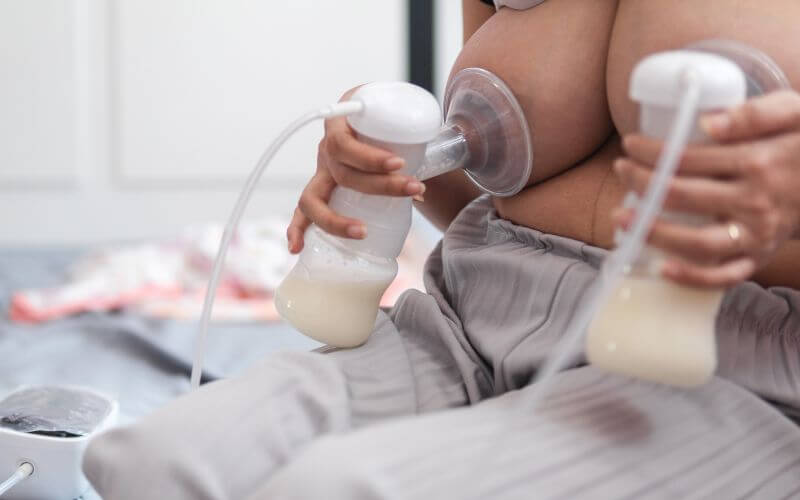
- Milk Supply Concerns: Some mums may experience an insufficient milk supply or difficulty pumping when returning to work.
Benefits of Formula Feeding
Formula feeding can be a practical and healthy choice for many families. Modern baby formula is designed to provide all the essential nutrients your baby needs to thrive.
1. Flexibility and Convenience
Formula feeding allows both parents and caregivers to share in the feeding responsibilities, offering more flexibility for busy schedules or when mum needs a break or to return to work.
2. Dietary Freedom
Unlike breastfeeding mums, those who formula-feed don’t need to worry about avoiding certain foods or managing medications that might pass through breast milk.
3. Accurate Measurement
With formula feeding, it’s easier to track exactly how much milk your baby is consuming, which can be reassuring for parents who are concerned about their baby’s intake.
4. No Physical Discomfort
Formula feeding eliminates some of the physical challenges associated with breastfeeding, such as sore nipples, engorgement, or mastitis.
Challenges of Formula Feeding
While formula feeding has its perks, there are some downsides to consider:
- Cost: Formula can be expensive, especially if your baby requires a specialised formula due to allergies or digestive issues.
- Preparation Time: Unlike breast milk, formula must be prepared and warmed, which can be time-consuming, especially during late-night feeds.
- Environmental Impact: Formula feeding involves the use of bottles, nipples, and packaging, which can generate more waste compared to breastfeeding.
Combining Breastfeeding and Formula
Some families find that a combination of breastfeeding and formula feeding works best. This approach offers the benefits of both methods and allows more flexibility. For example, you may choose to breastfeed when you’re home and use formula for times when you’re away or when another caregiver is feeding your baby.
Key Considerations When Choosing
When deciding between breastfeeding, formula feeding, or a combination of both, consider the following factors:
- Your Lifestyle: Consider your work schedule, support system, and availability.
- Health Factors: Take into account any health conditions you or your baby may have.
- Emotional Well-being: Prioritise your mental health. Feeding your baby should be a positive experience for both of you.
- Support and Resources: Look into the availability of lactation consultants, breastfeeding support groups, and your paediatrician’s recommendations.
Final Thoughts
There is no “right” or “wrong” way to feed your baby—only what works best for your family. Whether you choose to breastfeed, use formula, or do a mix of both, the most important thing is that your baby is well-fed, loved, and thriving. Remember, your choice doesn’t define your worth as a parent. Trust your instincts and seek support if you need it. BabyCareMag.com is here to provide helpful resources and guidance so you can feel empowered in your parenting journey.
Share This Story, Choose Your Platform!


Latest Post


Latest News To Your Inbox
Subscribe to hear about our latest blog posts, competitions and special offers.