
Storing Breast Milk: What’s the Best Way?
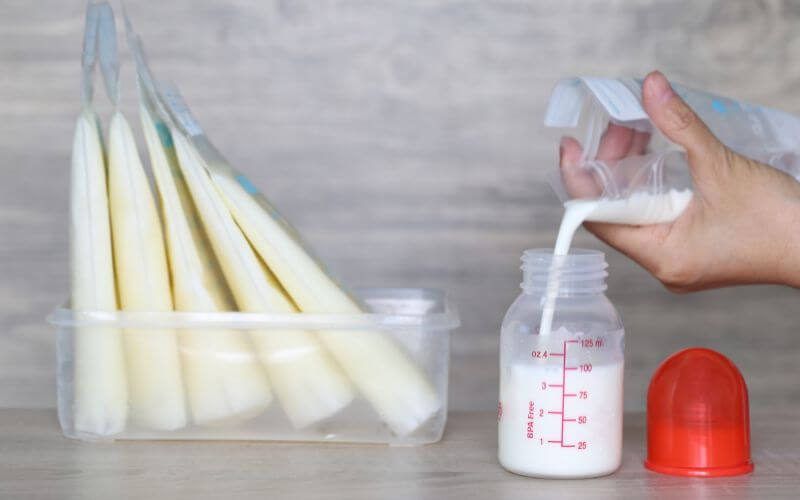
Hello, amazing parents and soon-to-be parents! If you’re on a breastfeeding journey, one question you might find yourself pondering is, “What’s the best way to store breast milk?” Well, you’re in the right place because today, we’re diving deep into the world of breast milk storage. Whether you’re planning ahead for those moments when you’re away from your baby or looking to build up a stash for the future, we’ve got you covered. So, let’s explore the ins and outs of storing breast milk like a pro.
Why Proper Breast Milk Storage Matters
Before we get into the nitty-gritty of storage techniques, let’s talk about why it’s crucial to handle breast milk with care.
Nutrient Preservation
Proper storage helps retain the valuable nutrients in breast milk, ensuring your baby gets the best nourishment. Breast milk is like nature’s perfect food, packed with essential vitamins, minerals, and antibodies that support your baby’s growth and immune system.
Safe Feeding
Storing milk correctly minimizes the risk of contamination, which is vital for your baby’s health. Bacteria can multiply rapidly in breast milk that hasn’t been stored properly, potentially causing stomach upset or illness in your little one.
Convenience
Having a stash of milk on hand can be a game-changer when you need a break, have work commitments, or simply want to share feeding responsibilities. Properly stored breast milk ensures that your baby is well-fed and content even when you can’t be there for every feed.
Now, let’s move on to the best practices for storing breast milk.
The Best Way to Store Breast Milk
1. Choose the Right Containers
Selecting the right containers for storing breast milk is crucial. Here are some tips:
Breast Milk Storage Bags
These are designed specifically for breast milk and are convenient for both storage and feeding. They come with measurements, making it easy to track quantities. Look for bags that are pre-sterilized for added convenience.
Glass or Hard Plastic Containers
If you prefer an eco-friendly option, glass or hard plastic containers with tight-sealing lids can work well. Make sure they are BPA-free and have airtight seals to prevent leaks and contamination.
Ice Cube Trays
You can also use ice cube trays to freeze breast milk in small portions. Once frozen, transfer the cubes to a sealed container or bag. This method is particularly useful if you want to thaw smaller amounts for occasional use.
2. Label Everything
Labeling is your best friend when it comes to breast milk storage. Use waterproof labels or tape to mark each container with the date of expression. This ensures you use the oldest milk first, following the “first in, first out” principle. Trust us; you don’t want to accidentally use your newest stash before the older milk.
3. Cool It Down Quickly
After expressing milk, cool it down promptly. You can do this by placing the milk in the refrigerator for about 30 minutes before transferring it to the freezer. This helps prevent temperature fluctuations in your freezer, which can affect the quality of the milk.
4. Store at the Right Temperature
The temperature at which you store breast milk matters:
Refrigerator
Store freshly expressed breast milk in the refrigerator at 32–39°F (0–4°C). It can stay here for up to five days. The back of the fridge, where it’s colder, is an ideal spot for breast milk storage.
Freezer
If you’re planning to store milk for an extended period, the freezer is your best bet. Keep it at a temperature of 0°F (-18°C) or lower. Frozen breast milk can be stored for up to six months in a standard freezer or up to 12 months in a deep freezer. Label your frozen milk with the date of expression, so you can easily keep track of freshness.
5. Keep It Clean
Maintaining cleanliness is crucial to prevent contamination. Here’s what you can do:
- Wash your hands thoroughly before handling breast milk. Your hands should be clean and dry.
- Use clean containers and lids. Make it a habit to wash and sterilize these items before each use.
- Avoid touching the inside of bottles or bags with your hands or any other objects. This helps prevent the introduction of harmful bacteria.
6. Avoid Microwave Heating
Never use a microwave to heat breast milk. Microwaves can create hot spots in the milk, which can burn your baby’s mouth and destroy the milk’s valuable nutrients and antibodies. Instead, use a bottle warmer or place the container in warm water to thaw or heat the milk gradually.
7. Thaw with Care
When you’re ready to use frozen breast milk, thaw it carefully. The best method is to place the frozen container in the refrigerator and let it thaw overnight. This slow, gentle thawing process preserves the milk’s quality and minimizes the loss of nutrients.
You can also use a bottle warmer or immerse the container in warm water to speed up the thawing process. However, avoid using hot or boiling water, as it can overheat the milk.
Pro Tip: Avoid refreezing thawed breast milk, as this can affect its quality and safety.
8. Use within a Safe Timeframe
Once you’ve thawed breast milk or taken it out of the refrigerator, it’s important to use it within a specific timeframe to ensure its safety and freshness:
- Refrigerated Milk: Use within 24 hours. If your baby doesn’t finish a bottle within this time, discard the remaining milk.
- Room Temperature Milk: Use within 4 hours. Room temperature is generally safe for breast milk for a short period, but avoid exposing it to excessive heat or direct sunlight.
- Frozen Milk: Use within 24 hours after thawing. Once breast milk has thawed, treat it like freshly expressed milk in terms of the timeframe for consumption.
9. Don’t Waste a Drop
Breast milk is precious, so try not to waste any of it. If your baby doesn’t finish a bottle, you can refrigerate it for use within the next feeding (within 24 hours) or add it to a future bottle to supplement other feedings. Every drop of breast milk is packed with goodness, so make the most of it!
Troubleshooting: Common Breast Milk Storage Issues
Sometimes, things don’t go as planned when it comes to breast milk storage. Here are some common storage issues and how to handle them:
Milk Separation
If you notice that your breast milk has separated into layers, don’t worry. This is natural and occurs due to variations in fat content. Gently swirl the milk to mix the layers before feeding. Your baby will receive all the nutrients in every sip.
Lipase Odor or Taste
Some moms have high lipase levels, which can lead to a soapy odor or taste in stored milk. While this doesn’t harm your baby, it might make the milk less appealing. To prevent this issue, scald the milk (heat it until it’s almost boiling) before storing it. This process deactivates the lipase enzyme and eliminates the soapy taste.
Thawed Milk Smells Off
If thawed breast milk has an unusual smell, it’s still safe to use as long as it hasn’t gone sour. Some breast milk can develop a soapy odor during storage, which is harmless. However, if it smells sour or rancid, it’s best to discard it to ensure your baby’s safety.
Conclusion: Nourishing Your Baby with Love
Storing breast milk effectively is all about ensuring that your baby gets the best nutrition while providing you with convenience and peace of mind. With these tips and practices in your parenting toolkit, you’ll be well-equipped to handle breast milk storage like a pro.
So, go ahead, express your love, and store your liquid gold with confidence. Your baby will thank you with every nourishing sip.
Share This Story, Choose Your Platform!



Latest Post


Latest News To Your Inbox
Subscribe to hear about our latest blog posts, competitions and special offers.