
Super-Foods and Recipes to Boost Breast Milk Supply
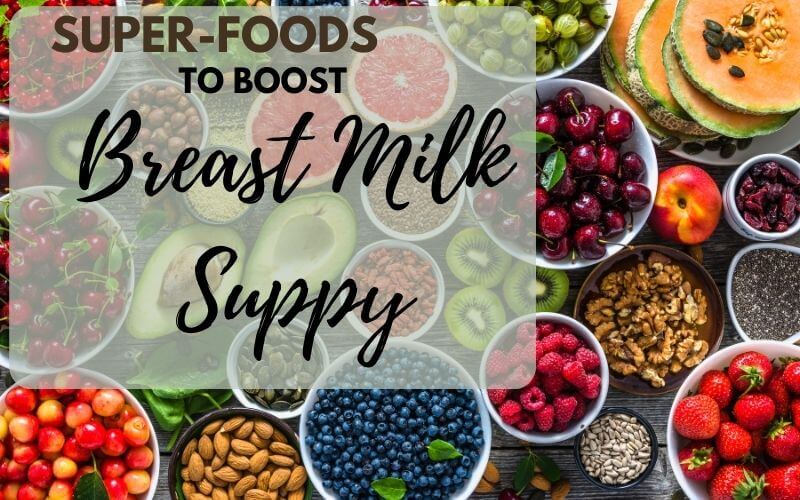
If you’re worried about your milk supply, you are far from alone. It’s one of the most common worries new mums bring to health visitors, midwives and lactation consultants, mostly because breast milk is invisible. You can’t hold up a bottle and see exactly how many millilitres your baby got, so it’s easy to second-guess yourself even when things are going perfectly well.
The good news is that milk supply is mostly driven by how often and how well milk is removed from the breast, not by any single “magic” food. That said, what you eat still matters for your energy, your recovery and your overall health while breastfeeding, and there are some foods that traditionally get recommended for supply, along with a few genuinely useful ones for general wellbeing. Let’s go through what actually helps, what’s more myth than fact, and a couple of recipes worth having in your rotation.
What Really Drives Your Milk Supply
Breast milk production works on a supply and demand basis. The more often and more thoroughly milk is removed from your breasts, whether by your baby feeding or by pumping, the more your body is signalled to make. This is why frequent feeding in the early weeks matters so much more than any particular food. No amount of oatmeal will make up for a poor latch, infrequent feeds, or a baby who isn’t transferring milk well.
That’s not to dismiss nutrition entirely. You need enough calories and fluids to support your own body while it does the work of making milk, and being run down, dehydrated or seriously under-eating can affect things. But for most healthy mums with a reasonably varied diet, food isn’t usually the reason for a low supply. If you’re genuinely worried, it’s worth getting a proper assessment from a midwife, health visitor or breastfeeding specialist before assuming the answer is diet.
Foods That Are Often Recommended for Milk Supply
These foods have long been part of traditional advice for breastfeeding mums. It’s worth being honest that the scientific evidence behind most of them is thin or mixed. Many of the claims come from tradition and personal experience rather than solid clinical trials. That doesn’t mean they’re not worth including, they’re nutritious foods either way, but don’t expect a dramatic jump in supply just from eating them.
- Oats and oatmeal: A good source of complex carbohydrates, fibre and iron. Low iron levels have been linked to lower milk supply in some mums, so if you’re anaemic, addressing that (with your GP’s guidance) may help more than the oats themselves.
- Garlic: Often mentioned as a traditional galactagogue. Some research suggests babies may feed slightly longer or more eagerly when their mum has eaten garlic, possibly because it changes the flavour of the milk, but it’s not a reliable way to increase volume.
- Nuts and seeds: Almonds, cashews, walnuts and flaxseed give you healthy fats, protein and some calories, which is useful if your appetite has changed since having a baby. Watch for allergies in the family before eating large amounts.
- Leafy greens: Spinach, kale and other dark greens are rich in calcium, iron and folate. Good for your own health, and a sensible addition to a breastfeeding diet even if the effect on supply itself is unproven.
- Sweet potato and carrots: Both contain beta-carotene and fibre, and are an easy way to add nutrients without much fuss, especially useful if you’re too tired to cook much.
- Healthy fats: Olive oil, avocado and oily fish provide fatty acids that support your baby’s brain development via your milk. Salmon and other oily fish also supply omega-3s, though the NHS recommends no more than two portions of oily fish a week due to mercury and pollutant levels.
- Fenugreek: Widely used as a galactagogue and some small studies show a modest effect, but it’s not suitable for everyone. It can cause stomach upset, lower blood sugar, and isn’t recommended if you have asthma, are on blood thinners, or are pregnant with another baby. Check with your doctor before trying it.
- Brewer’s yeast: Popular in lactation cookies. It contains B vitamins and iron, but can cause gas, bloating or headaches in some mums, and there’s limited evidence it does much for supply on its own.
Hydration: Drink to Thirst, Not to Excess
Staying hydrated matters because dehydration will make you feel worse and can reduce your milk output if it’s severe. But there’s no need to force down litres more than your body wants. Drinking to satisfy your thirst, keeping a bottle nearby during feeds, and checking your urine is pale rather than dark is a perfectly good guide. Overdrinking water doesn’t boost supply beyond a certain point and can occasionally leave you feeling worse, not better.
Weight Loss and Breastfeeding
Losing baby weight gradually while breastfeeding is generally fine and won’t hurt your supply. What can affect supply is a sudden, severe drop in calories, typically diets under around 1,500 to 1,800 calories a day, or very restrictive eating patterns. If you want to lose weight while breastfeeding, aim for gradual loss (around 0.5kg a week is often mentioned as a sensible pace) and don’t cut out whole food groups without medical advice. Always check with your GP, midwife or a dietitian before starting any weight loss plan while breastfeeding, particularly if you’re also dealing with tiredness or low mood, which are common in the postnatal period anyway.
Is Your Supply Actually Low?
Many mums worry about supply when things are actually going fine. It’s worth knowing the real signs of a well-fed baby, rather than relying on how full your breasts feel (which changes naturally over the weeks and isn’t a reliable measure).
- Your baby has enough wet and dirty nappies for their age (your midwife or health visitor can tell you what’s expected at your baby’s stage).
- Your baby is gaining weight appropriately, tracked at check-ups against their own growth chart.
- Your baby seems settled and satisfied after most feeds, even if they cluster feed at certain times of day.
- You can hear or see swallowing during feeds.
If your baby isn’t gaining weight well, seems constantly unsettled, or has fewer wet nappies than expected, get them checked by your GP, midwife or health visitor rather than trying to self-diagnose. Sometimes a low supply is genuinely happening, and the cause could be something like infrequent feeding, a tongue tie affecting latch, a retained piece of placenta, thyroid issues, or certain medications, all of which need proper assessment rather than a dietary fix.
Recipes Worth Trying
These won’t magically transform your supply, but they’re tasty, nutritious, and use some of the ingredients mentioned above. Handy for getting calories in when you’re too tired to cook a full meal.
Chocolate Chip Lactation Cookies
Makes about 18 cookies.
Ingredients:
- 1 cup oats
- 1 cup flour
- 1/2 cup butter (or coconut oil)
- 1/2 cup brown sugar
- 2 tablespoons brewer’s yeast
- 1 tablespoon flaxseed meal
- 1 egg
- 1 teaspoon vanilla extract
- 1/2 teaspoon baking powder
- 1/2 teaspoon cinnamon
- 1/2 cup chocolate chips
Instructions:
- Preheat your oven to 350°F (175°C) and line a baking tray with parchment paper.
- Cream the butter and sugar together until light, then beat in the egg and vanilla.
- In a separate bowl, mix the oats, flour, brewer’s yeast, flaxseed meal, baking powder and cinnamon.
- Gradually fold the dry mix into the wet mix, then stir through the chocolate chips.
- Drop spoonfuls onto the tray, leaving space between each.
- Bake for 10 to 12 minutes until just golden at the edges. They’ll firm up as they cool, so don’t overbake.
- Cool on a wire rack before storing in an airtight container for up to five days.
If you’ve never had brewer’s yeast before, start with one cookie and see how you feel. Some mums find it causes bloating or a headache, in which case it’s easy to leave out or halve the amount next time.
Banana Oat Milkshake
Ingredients:
- 1 ripe banana
- 1 cup milk (dairy or a fortified plant-based alternative)
- 1 tablespoon peanut butter
- 1 tablespoon oats
- 1 teaspoon honey (optional, and only for you, not for baby)
Instructions:
- Blend everything together until smooth.
- Pour into a glass and drink while it’s still cold. Good as a quick breakfast or a mid-feed top-up when you don’t have time to sit down and eat properly.
Other Things That Genuinely Help Supply
These matter more than most foods when it comes to keeping your supply steady:
- Feed or pump often, especially in the early weeks. Frequent removal of milk is the single biggest driver of supply.
- Check the latch. A poor latch means less effective milk transfer, which over time can lower supply even if you’re feeding often. A midwife, health visitor or lactation consultant can watch a feed and help you fix this.
- Offer both breasts at each feed if your baby will take them, switching sides partway through or at the next feed.
- Rest where you can. Exhaustion and stress can affect let-down and, over time, supply. This is easier said than done with a newborn, but accepting help with meals, chores or older children so you can nap makes a real difference.
- Add pumping sessions rather than replacing feeds if you’re trying to build supply, for example pumping after a feed once your baby has finished, rather than instead of a feed.
- Be cautious with supplements. Fenugreek, blessed thistle and similar galactagogue supplements are widely sold but aren’t strongly evidence-backed and can interact with medications or health conditions. Speak to your GP or a lactation consultant before starting any of them.
The Bottom Line
Good nutrition supports you while you breastfeed, and there’s no harm in including oats, leafy greens, nuts and healthy fats in your diet, they’re genuinely good foods regardless of any effect on milk. But if you’re worried about supply, the most useful steps are usually about feeding frequency, latch and getting your baby properly checked, rather than chasing a particular superfood. If concerns persist, don’t wait it out alone, a midwife, health visitor or breastfeeding specialist can watch a feed, check your baby’s weight gain, and tell you fairly quickly whether there’s a real issue or whether things are actually going better than you think.
Share This Story, Choose Your Platform!



Latest Post


Latest News To Your Inbox
Subscribe to hear about our latest blog posts, competitions and special offers.