
What is the difference between attachment and bonding?
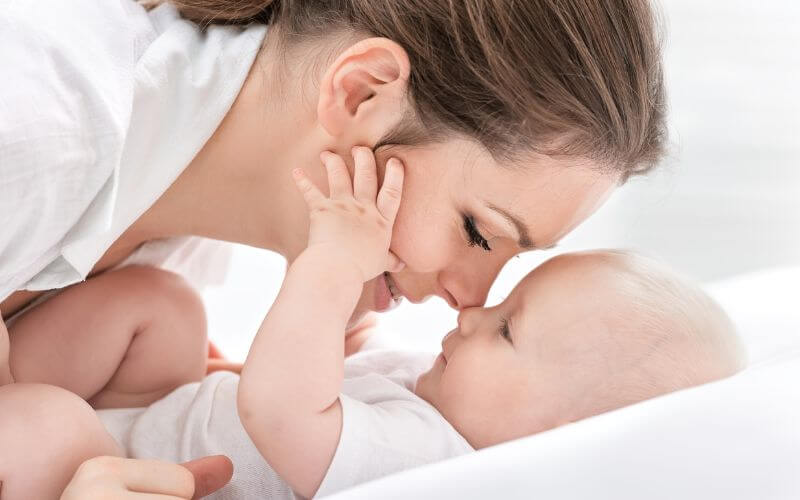
Hello there, dear parents and parents-to-be! Today, we’re diving deep into the heart of parent-child relationships, exploring the often-confused concepts of attachment and bonding with your baby. These two terms are integral to understanding the intricate dance of parenting and nurturing a loving connection with your little one. So, grab your favorite beverage, find a cozy spot, and let’s unravel the nuanced differences between attachment and bonding in the beautiful world of parenthood.
Introduction: The Essence of Love
As parents, our love for our children knows no bounds. However, it’s essential to recognize that our connection with them involves both attachment and bonding, two distinct yet intertwined elements of this extraordinary journey.
Part 1: Attachment – The Foundation of Security
1. What Is Attachment?
- The Bedrock of Emotional Connection: Attachment refers to the deep emotional bond and sense of security that develops between a baby and their primary caregiver(s). It’s the mechanism by which babies feel safe and protected in the presence of their caregiver.
- The Legacy of Attachment Theory: Attachment theory, conceived by John Bowlby, postulates that this emotional connection in infancy has profound implications for a child’s emotional and social development. It influences their future relationships, self-esteem, and capacity to regulate emotions.
2. The Phases of Attachment
- Pre-Attachment (Birth to 6 Weeks): In the initial weeks of life, babies don’t differentiate between individuals. They respond to anyone who meets their basic needs, such as feeding and soothing.
- Attachment-in-the-Making (6 Weeks to 6-8 Months): During this phase, babies begin to show a preference for their primary caregiver(s), typically their mother or father. They develop a sense of trust and security with these individuals.
- Clear-Cut Attachment (6-8 Months to 18 Months): Marked by the emergence of separation anxiety, this phase signals the baby’s realization that they are distinct from their caregiver. They seek comfort and reassurance from their primary caregiver during this stage.
- Reciprocal Relationships (18 Months Onward): As children grow, they become more independent, but their attachment to their caregiver(s) continues to influence their relationships and emotional well-being.
Part 2: Bonding – The Art of Connection
1. What Is Bonding?
- The Building of Emotional Ties: Bonding is the process of forging a strong emotional connection between a parent (or caregiver) and their baby. It’s about establishing trust, love, and a profound sense of security.
- A Mutual Endeavor: Unlike attachment, bonding is a two-way street, involving both the baby and the parent. It’s characterized by getting to know each other, understanding each other’s cues, and responding with love and care.
2. Nurturing the Bond
- Quality Time: Spending quality, one-on-one time with your baby through cuddling, playing, and engaging in activities fosters a deeper bond.
- Skin-to-Skin Contact: Skin-to-skin contact is a potent tool in building a bond. It releases oxytocin, often referred to as the “love hormone,” in both you and your baby.
- Feeding and Soothing: Whether you breastfeed or bottle-feed, these moments provide opportunities for physical closeness and emotional bonding.
Part 3: The Crucial Differences
1. Timing
- Attachment: Attachment begins to develop from birth and evolves over time as the baby matures.
- Bonding: Bonding starts immediately but continues to develop throughout infancy and extends into childhood and beyond.
2. One vs. Two-Way Process
- Attachment: It primarily focuses on the baby’s emotional connection to their caregiver(s).
- Bonding: Bonding involves both the baby and the caregiver, characterized by shared experiences and mutual understanding.
3. Attachment’s Long-term Influence
- Attachment: It significantly shapes a child’s emotional and social development, influencing their future relationships, self-esteem, and emotional regulation.
- Bonding: While instrumental in forming a loving relationship, its long-term impact on a child’s development is comparatively less pronounced.
Part 4: Fostering Attachment and Bonding
1. Tips for Nurturing Attachment
- Prompt Responsiveness: Be attentive to your baby’s needs, whether it’s feeding, changing, or comforting. Consistently responding builds trust.
- Physical Closeness: Holding and cuddling your baby fosters physical and emotional closeness, nurturing attachment.
- Establishing Routine: Create predictable routines to provide stability and security for your baby.
2. Strategies for Strengthening Bonding
- Quality Time: Spend meaningful one-on-one time with your baby, engaging in activities that you both enjoy.
- Eye Contact and Verbal Interaction: Maintain eye contact during interactions and engage in conversations with your baby. They delight in hearing your voice.
- Mindful Presence: When you’re with your baby, be fully present. Put aside distractions and relish those precious moments together.
Conclusion: The Synchrony of Attachment and Bonding
In conclusion, attachment and bonding are at the heart of your relationship with your baby. While these concepts are intertwined, they serve distinct purposes in your child’s development and in your journey as a parent. Understanding these nuances can help you navigate the beautiful dance of attachment and bonding as you embark on the incredible adventure of raising your child.
Remember, there’s no one-size-fits-all approach to parenting. Every child is unique, and every parent-child relationship is a special bond filled with love, care, and mutual understanding. Embrace the journey, cherish the moments, and savor the profound connections you build with your little one.
Share This Story, Choose Your Platform!



Latest Post


Latest News To Your Inbox
Subscribe to hear about our latest blog posts, competitions and special offers.