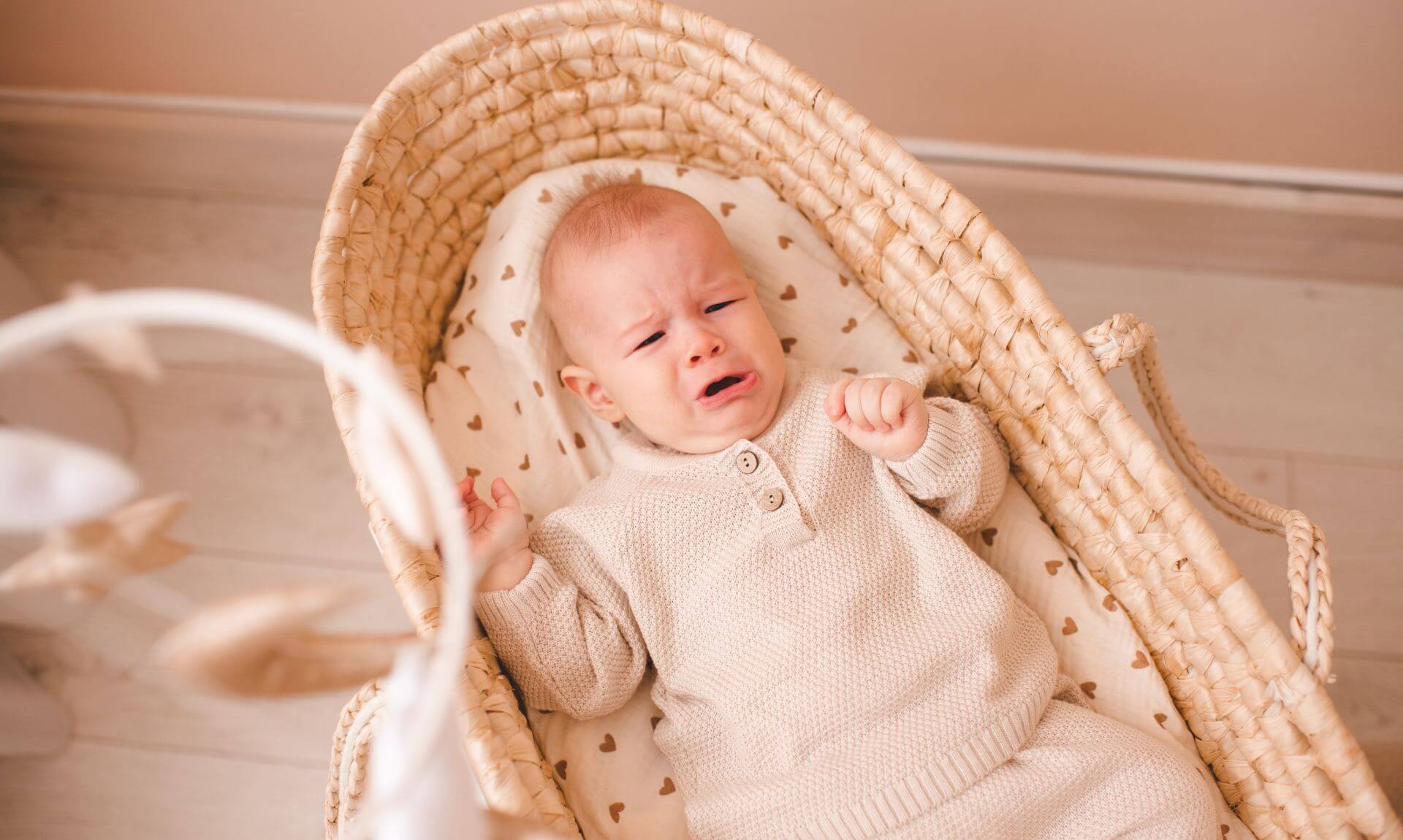
Separation Anxiety in Babies: Your Guide to Soothing Their Worries

Hey there, fellow parents and caregivers! Today, let’s dive headfirst into a topic that’s all too familiar for many of us: separation anxiety in babies. If you’ve ever experienced those heart-wrenching cries when you leave the room or witnessed those tiny arms reaching out for you desperately, you’re not alone. I’ve been there too, and I’m here to guide you through this common yet often misunderstood phase in your baby’s life. So, grab a comfy seat, a cup of your favorite brew, and let’s unravel everything you need to know about separation anxiety in babies.
Introduction: The Emotional Rollercoaster
Separation anxiety—it’s a phrase that can strike fear into the hearts of both parents and little ones. But what exactly is it? Why does it happen? And how can you navigate these stormy waters without losing your sanity? Join me as we embark on a journey to demystify separation anxiety and turn those tears into triumphs.
Part 1: Separation Anxiety Unveiled
1. The Basics
- Defining Separation Anxiety: At its core, separation anxiety is a perfectly normal part of your baby’s development. It usually kicks in around six to eight months of age and can stick around until the toddler years. It’s when your little one realizes, “Hey, you exist even when I can’t see you, and I don’t like it when you’re not here!”
- Telltale Signs: Separation anxiety often shows up as clinginess, tears, and a reluctance to let you out of their sight. Essentially, it’s your baby’s way of saying, “Don’t leave me, I need you!”
2. Why Does It Happen?
- Growing Awareness: As your baby’s brain matures, they become increasingly aware of the world around them. They begin to understand that objects (and people) still exist even when they can’t see them—a concept known as “object permanence.”
- Attachment in Action: This newfound awareness often leads to separation anxiety, especially if your baby has formed a strong attachment to you (which is a good thing!). They’ve figured out that you’re their safety net, and the thought of being without you is unsettling.
Part 2: The Peaks and Valleys of Separation Anxiety
1. Timing Matters
- Starts Around 6-8 Months: Separation anxiety tends to rear its head around six to eight months, coinciding with your baby’s growing cognitive abilities.
- Peak at 10-18 Months: It usually hits its peak between ten and eighteen months, but remember, every baby is unique, so the timing can vary.
- Gradual Ebb: The good news? Separation anxiety gradually subsides as your baby grows more confident in your return. There’s light at the end of the tunnel!
Part 3: Strategies to Tackle Separation Anxiety
1. Building Trust
- Stick to a Routine: Consistency is your ally. A predictable routine can help your baby feel more secure in their ever-expanding world.
- Short Separations First: Start with short separations and gradually increase the time apart. This helps your baby get used to the idea of you coming back.
2. Gentle Transitions
- Practice Separations: Leave your baby with a trusted caregiver or family member for brief periods. This gives them a chance to adjust to being apart from you.
- Positive Goodbyes: Keep your goodbyes brief but upbeat. When you return, greet your baby with enthusiasm and warmth. Reinforce the idea that you always come back.
3. Comfort Objects
- Transitional Comfort: Introduce a comfort item like a beloved blanket or stuffed toy. These familiar objects can provide a sense of security when you’re not around.
- Familiar Settings: Whenever possible, leave your baby in a familiar environment when you need to be apart. It can reduce the stress of a new location.
Part 4: What to Avoid
1. Don’t Dodge Separations
- Avoidance Isn’t the Answer: While it’s tempting to dodge situations that trigger separation anxiety, it’s crucial to expose your baby to these experiences gradually. Avoiding them might prolong the phase.
- Shed the Guilt: Don’t let guilt creep in when you leave your baby in the care of a trusted caregiver. It’s healthy for both of you to have some time apart.
Part 5: When to Seek Help
1. Unusual Intensity or Duration
- Persistent Anxiety: If your baby’s separation anxiety seems exceptionally intense, persistent, or disrupts their daily life, consider consulting a pediatrician or child psychologist for guidance.
- Sudden Changes: Keep an eye out for sudden and significant changes in your baby’s behavior or mood. In rare cases, there could be underlying issues that need attention.
Conclusion: A Phase of Growth and Love
In a nutshell, separation anxiety in babies is a natural, albeit sometimes challenging, phase of their development. It’s a testament to the strong bond you share with your little one. With patience, love, and a few well-placed strategies, you can help your baby navigate this phase and emerge with even greater trust and confidence in the world around them. It’s a journey filled with ups and downs, but remember, you’re not alone in this—many parents have walked this path before you.
Share This Story, Choose Your Platform!


Latest Post

Latest News To Your Inbox
Subscribe to hear about our latest blog posts, competitions and special offers.