When Does Newborn Hair Fall Out?

Hey there, fellow parents and soon-to-be parents! Today, I want to dive deep into a topic that might have crossed your mind: newborn hair and when it falls out. As a parent myself, I remember being curious about this when my little one arrived, so I decided to do some research and share it all with you.
In this comprehensive guide, we’ll cover everything you need to know about newborn hair shedding, from why it happens to when it happens, and what you can expect. So, grab a cup of coffee (or your preferred beverage) and let’s get started on this hair-raising journey!
The Wonder of Newborn Hair
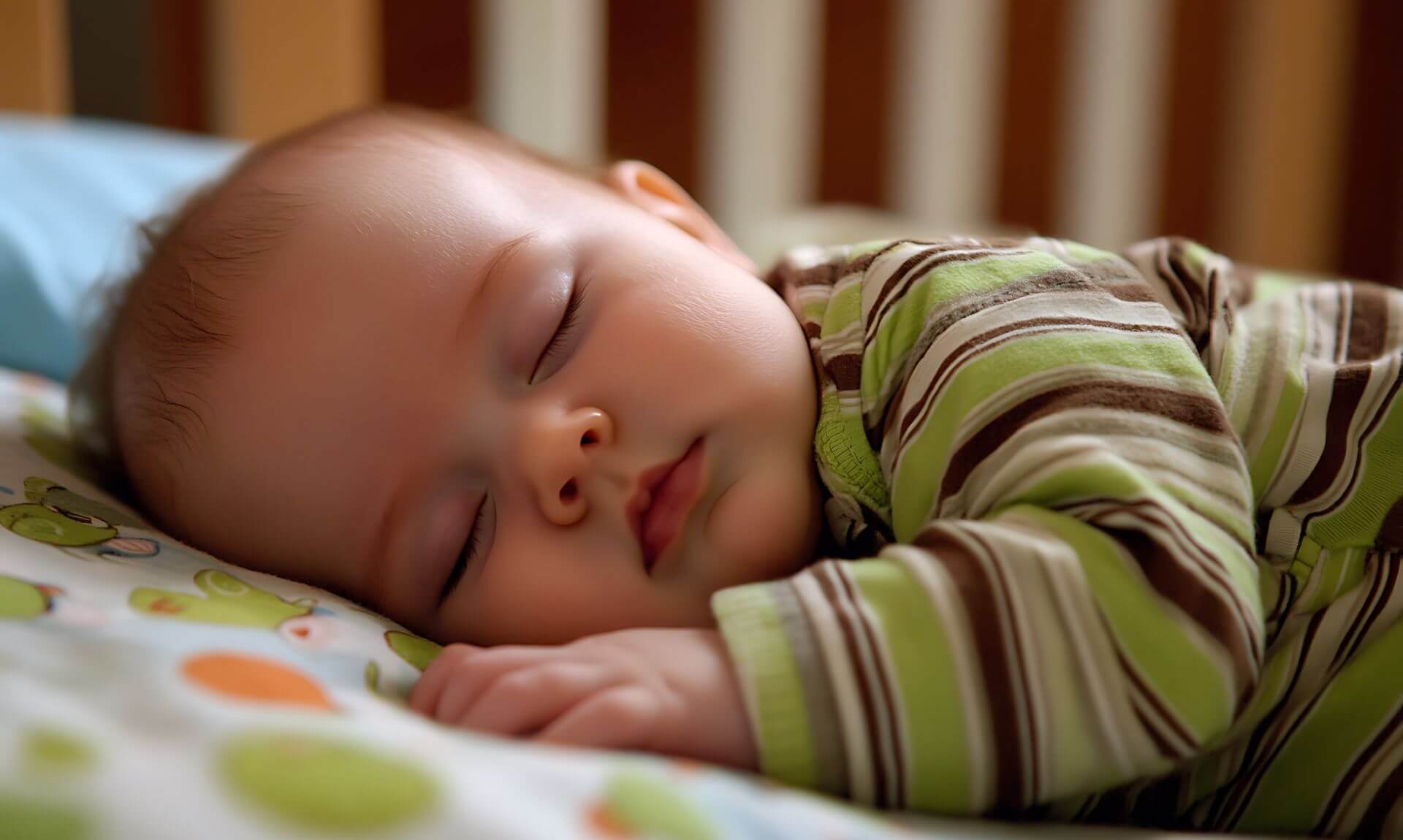
Before we get into the nitty-gritty details of when newborn hair falls out, let’s talk about that adorable fuzz on your baby’s head. It’s a topic that often raises questions and curiosity among new parents.
Why Do Newborns Have Hair?
Newborns are covered in a fine layer of hair called lanugo, which starts growing in the second trimester of pregnancy. Lanugo serves several purposes:
- It helps regulate the baby’s body temperature in the womb.
- It protects the baby’s skin from the amniotic fluid.
- It provides some cushioning for the baby while they’re floating around in the womb.
Lanugo can vary in thickness and color, but it’s usually very fine and can appear white or even slightly translucent.
The Great Shedding Mystery
Now, let’s get to the heart of the matter: when does this newborn hair start to say its goodbyes?
When Does Newborn Hair Start to Fall Out?
The timing of newborn hair shedding can vary from one baby to another. Some babies might start losing their lanugo hair while still in the womb, while others may keep it for a short time after birth. However, the most common timeframe for newborn hair to fall out is within the first few weeks after birth.
Factors Affecting Hair Shedding
Several factors can influence when your baby’s hair starts to fall out. Here are a few to keep in mind:
- Genetics: Like many aspects of a baby’s appearance, the timing of hair shedding can be influenced by genetics. If you or your partner had a full head of hair at birth, there’s a good chance your baby will, too.
- Hormones: Hormones play a significant role in hair growth and shedding. After birth, your baby’s hormone levels will change, and this can trigger the shedding of lanugo hair.
- Gestational Age: Babies born prematurely might retain their lanugo hair for a bit longer than full-term babies. Premature babies often need that extra layer of insulation.
- Hair Type: The type of hair your baby has can also affect when it falls out. Babies with thicker, coarser hair may shed their lanugo earlier than those with finer hair.
Typical Timeline for Newborn Hair Loss
While it’s essential to remember that every baby is unique, here’s a general timeline of when you can expect your little one’s lanugo to start falling out:
- Weeks 28-32 of Pregnancy: Lanugo typically begins to grow.
- Birth: Many babies are born with a full head of lanugo hair.
- 1-6 Weeks After Birth: Lanugo hair often starts to fall out during this period.
- 3-6 Months After Birth: By this time, most babies will have lost their lanugo entirely.
What Happens After the Lanugo Falls Out?
So, your baby’s lanugo hair has started to fall out or maybe it’s all gone by now. What happens next? Let’s explore.
Post-Lanugo Hair Growth:
After the lanugo hair has shed, your baby’s hair will begin to grow in its place. This new hair may look quite different from the lanugo. It can be darker, thicker, and may even have a different texture. Don’t be surprised if your baby’s hair color changes as well; it can take some time for their true hair color to emerge.
Caring for Your Baby’s New Hair:
Taking care of your baby’s hair is a breeze. Here are some simple tips:
- Gentle Washing: Use a mild, baby-friendly shampoo to cleanse your baby’s hair. Be gentle while washing to avoid any irritation to their delicate scalp.
- Brushing: Use a soft baby brush to gently comb their hair. This not only keeps their hair looking neat but can also be a soothing experience for your little one.
- Avoid Tight Hairstyles: Avoid tying or pulling your baby’s hair too tightly. Their hair and scalp are delicate, so keep hairstyles simple and loose.
When to Be Concerned
While newborn hair shedding is entirely normal, there are some instances when you should consult your pediatrician:
- Bald Spots: If you notice unusual bald spots or patches of hair loss on your baby’s scalp, it’s a good idea to seek medical advice.
- Rash or Irritation: If your baby develops a rash or shows signs of irritation on their scalp, consult your doctor. It might be a sign of a skin condition that needs attention.
- No Hair Growth: In very rare cases, a baby might not grow any hair after the lanugo falls out. If this concerns you, discuss it with your pediatrician to rule out any underlying issues.
Wrapping It Up
And there you have it, the lowdown on when newborn hair falls out! Remember, every baby is unique, so the timing of hair shedding can vary. Whether your little one loses their lanugo hair early or holds onto it for a bit longer, it’s all part of their individual journey.
So, cherish those early moments of your baby’s life, fuzzy head and all. Before you know it, that lanugo will make way for their beautiful, growing locks. If you have any concerns about your baby’s hair or overall health, don’t hesitate to reach out to your pediatrician for guidance.
Share This Story, Choose Your Platform!


Latest Post

Latest News To Your Inbox
Subscribe to hear about our latest blog posts, competitions and special offers.