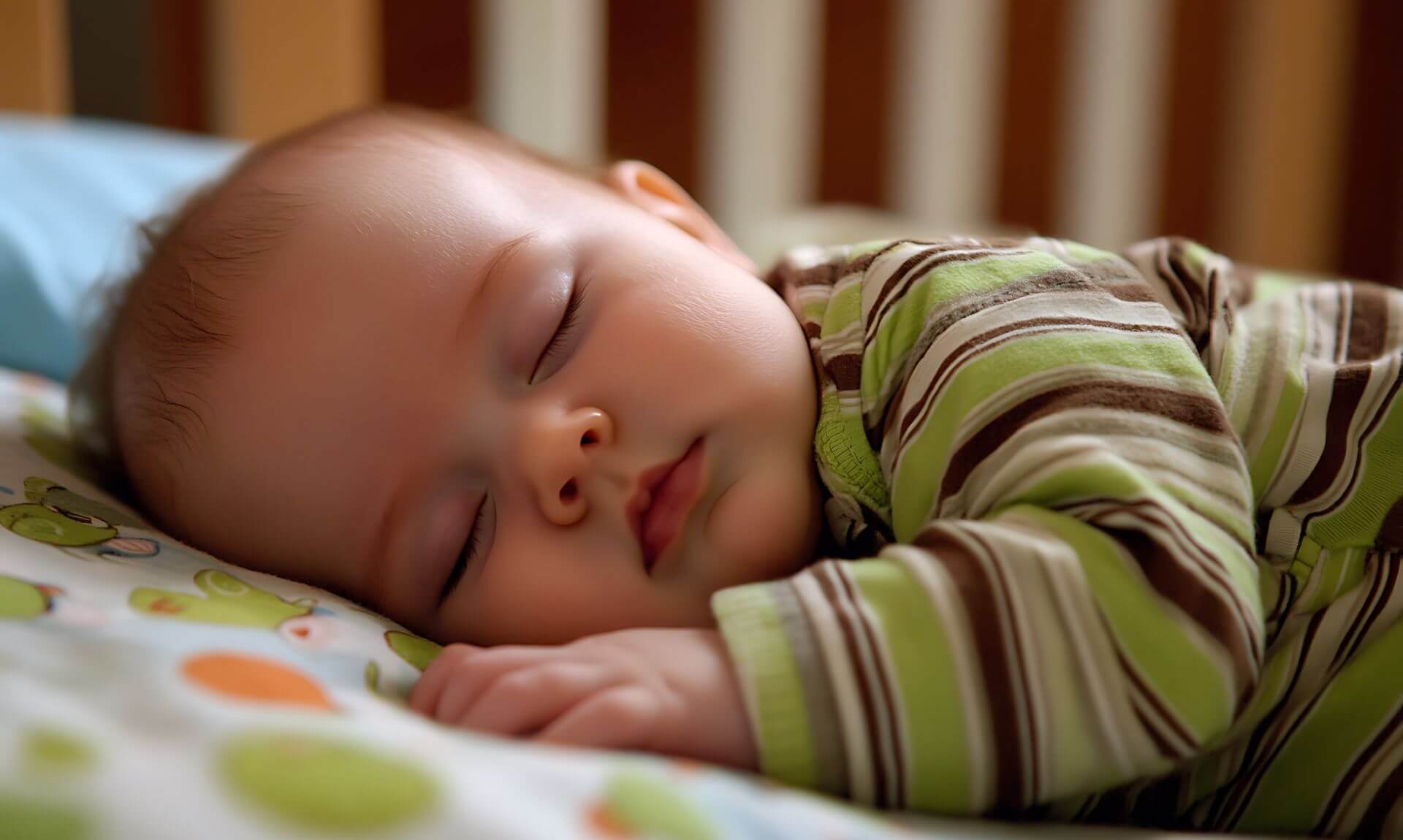
Understanding Baby Eczema: Causes and Treatments

Understanding Baby Eczema: Causes and Treatments
Eczema, also known as atopic dermatitis, is a common skin condition that affects many babies, often appearing within the first six months of life. It can cause dry, itchy, and inflamed skin, leading to discomfort for both the baby and parents. While baby eczema can be frustrating to manage, understanding its causes and available treatments can help ease symptoms and keep your little one’s skin healthy.
What Causes Baby Eczema?
Baby eczema is believed to be caused by a combination of genetic and environmental factors. While the exact cause varies from child to child, some common triggers include:
1. Genetics
If a parent or close family member has a history of eczema, asthma, or hay fever, a baby is more likely to develop eczema. This suggests a genetic predisposition to skin sensitivity and an overactive immune response.
2. Skin Barrier Issues
Babies with eczema often have a weaker skin barrier, which means their skin struggles to retain moisture and protect against irritants. This can lead to dryness, cracking, and inflammation.
3. Environmental Irritants
Common irritants like scented soaps, detergents, wool fabrics, and household cleaners can trigger or worsen eczema. Even changes in temperature, such as dry winter air or excessive heat, can cause flare-ups.
4. Allergens
Food allergies or sensitivities can sometimes contribute to eczema. Common culprits include cow’s milk, eggs, peanuts, soy, and wheat. However, not all cases of baby eczema are linked to food allergies.
5. Saliva and Sweat
Excessive drooling can lead to irritated skin around a baby’s mouth and cheeks, while sweat can exacerbate itching and discomfort.
Symptoms of Baby Eczema
Eczema can appear differently from baby to baby, but common signs include:
- Dry, scaly, or rough patches of skin
- Redness and inflammation
- Itchy skin (babies may rub against bedding or scratch with their hands)
- Small, raised bumps that may leak fluid when scratched
- Skin that thickens over time due to persistent scratching
Eczema most often appears on the cheeks, scalp, elbows, and knees in babies under six months. As they grow older, it can spread to other areas, including the hands and feet.
Effective Treatments for Baby Eczema
While there’s no cure for eczema, proper care and treatment can help manage symptoms and reduce flare-ups. Here are some of the best ways to treat baby eczema:
1. Moisturise Regularly
Keeping your baby’s skin hydrated is key to managing eczema. Use a thick, fragrance-free moisturiser at least twice a day, preferably right after a bath to lock in moisture.
2. Use Gentle Bathing Practices
- Give your baby short, lukewarm baths instead of long, hot ones.
- Use mild, fragrance-free baby soap or cleanser.
- Pat (don’t rub) the skin dry with a soft towel and apply moisturiser immediately.
3. Choose Soft, Breathable Clothing
Dress your baby in loose-fitting, cotton clothing and avoid scratchy fabrics like wool. Wash new clothes before wearing them using a hypoallergenic, fragrance-free detergent.
4. Identify and Avoid Triggers
Try to pinpoint any environmental triggers, such as certain soaps, perfumes, or allergens, and remove them from your baby’s surroundings.
5. Use Medicated Creams If Needed
For moderate to severe eczema, a paediatrician may recommend:
- Hydrocortisone cream (low-strength steroid cream) – Used for short-term relief during flare-ups.
- Prescription creams – In cases where eczema is persistent, doctors may prescribe stronger treatments.
6. Prevent Scratching
Since scratching can worsen eczema and cause infection, keep your baby’s nails short and consider using soft cotton mittens while they sleep.
7. Consult a Doctor for Severe Cases
If your baby’s eczema is severe, oozing, or showing signs of infection (such as yellow crusting or pus), seek medical advice. A doctor may prescribe antibiotics if an infection is present.
When Does Baby Eczema Go Away?
Many babies outgrow eczema by the time they reach school age, though some may continue to have sensitive skin into adulthood. With the right skincare routine and trigger management, most cases can be well controlled, allowing your baby to be comfortable and happy.
Final Thoughts
Baby eczema can be a challenging condition to manage, but with proper care, most parents can significantly reduce symptoms and discomfort. Keeping the skin well-moisturised, avoiding irritants, and seeking medical advice when necessary are key steps in managing eczema effectively. If your baby’s symptoms persist or worsen, consulting a paediatrician or dermatologist can provide additional guidance tailored to your child’s needs.
By understanding baby eczema and taking proactive steps, you can help your little one maintain healthy, happy skin.
Share This Story, Choose Your Platform!


Latest Post

Latest News To Your Inbox
Subscribe to hear about our latest blog posts, competitions and special offers.